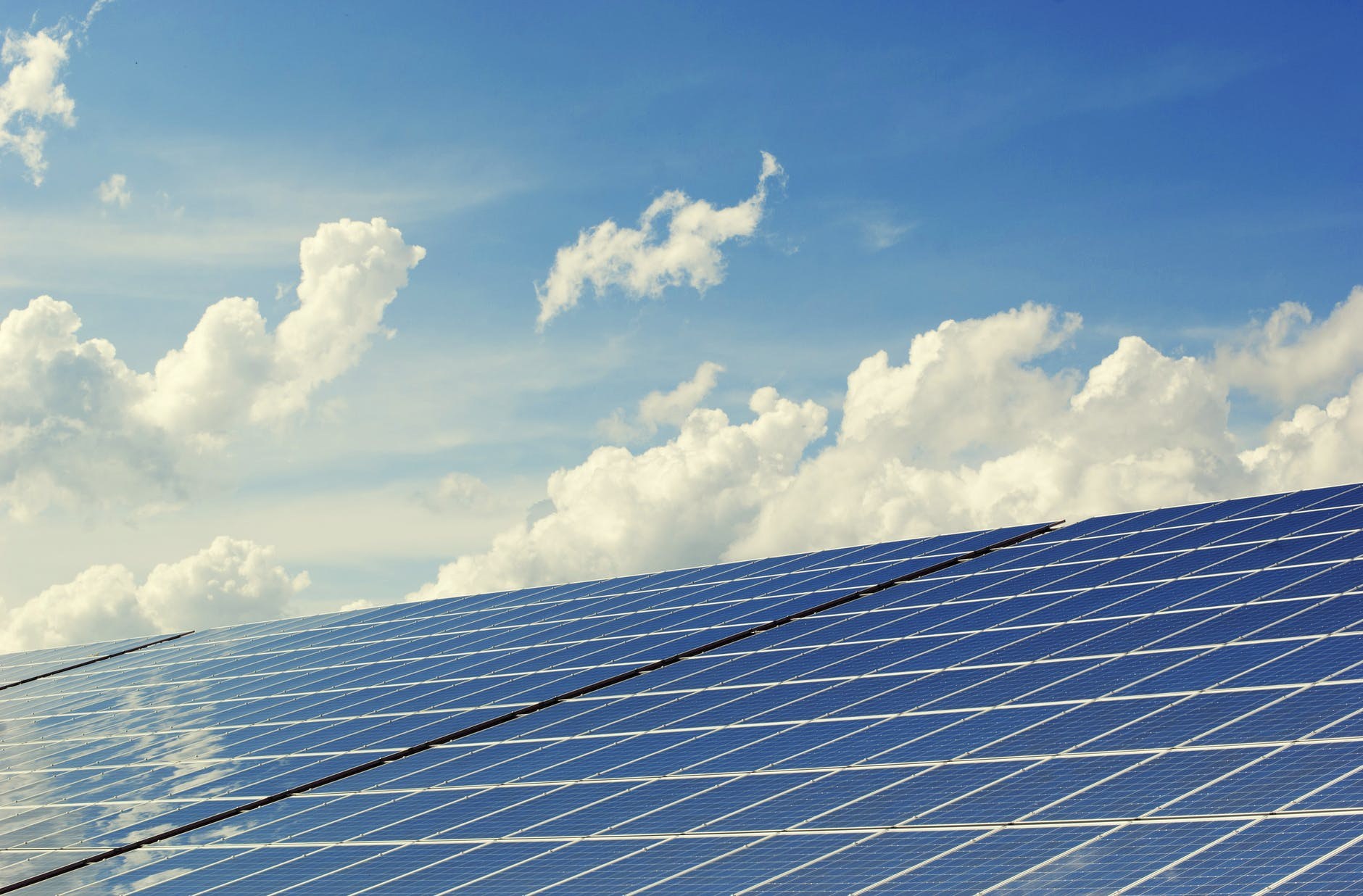
The Nsadzu community in Chifunde district of Mozambique’s Tete province has gained access to electricity following the commissioning of a new solar power plant installed by the National Energy Fund (FUNAE). The project marks a significant development for the rural community, which previously had no access to the national electricity grid. The installation is expected to improve living conditions, support local economic activities, and expand access to essential services through reliable renewable energy.
The newly commissioned solar power plant will provide electricity to households, small businesses, schools, healthcare facilities, and other public institutions. It will also support public lighting, helping improve visibility and safety within the community, particularly during evening hours. The availability of electricity is expected to create new opportunities for residents and strengthen access to services that depend on a consistent power supply.
Before the project was implemented, residents of Nsadzu faced challenges associated with limited or unavailable electricity. The introduction of solar power is expected to reduce dependence on traditional and unreliable energy sources while providing a cleaner alternative for meeting the community’s energy needs. Access to electricity can also help local businesses extend operating hours, improve productivity, and create opportunities for small-scale commercial activities.
FUNAE oversaw the installation of the solar power facility and will manage the initial rollout of electricity connections. This process will enable households and other eligible users to begin accessing the newly available power supply. The commissioning represents an important step towards extending energy infrastructure to remote communities that remain beyond the reach of Mozambique’s national electricity grid.
The project forms part of Mozambique’s broader efforts to increase electricity access and promote universal electrification. The country has been working to expand energy infrastructure in rural and underserved areas, where geographical challenges and the high costs of grid extension can limit conventional electricity development.
Off-grid renewable energy projects, particularly solar installations, offer an alternative for communities located far from existing transmission and distribution networks. Such facilities can provide electricity without requiring immediate expansion of the national grid, helping accelerate access to modern energy services.
The commissioning of the Nsadzu solar power plant highlights the role of renewable energy in supporting rural development. By bringing electricity to households, public institutions, and businesses, the project is expected to contribute to improved living standards and stronger local economic activity.
The initiative also reflects Mozambique’s commitment to using its renewable energy resources to address energy access gaps and promote more inclusive development.
Subscribe to get the latest posts sent to your email.