The Energy Regulatory Commission (ERC) of the Philippines participated in the Advanced Civil Nuclear Energy Reverse Trade Mission held in the United States from October 10 to 18, 2026, to study advanced nuclear technologies and explore regulatory cooperation to support the country’s potential nuclear energy development.
The mission took place in Idaho Falls, Idaho, and Washington, D.C., and was organised by the U.S. Trade and Development Agency (USTDA), with implementation support from the Meridian International Center. It brought together Philippine government officials and private-sector representatives to examine the technical, regulatory, financial, and institutional requirements for the possible deployment of nuclear energy technologies in the Philippines.
The Philippine delegation was led by Department of Energy (DOE) Secretary Sharon S. Garin. Other government representatives included Undersecretary Giovanni Carlo J. Bacordo, Energy Utilization Management Bureau Director Patrick T. Aquino, and Energy Regulatory Commission Chairperson and CEO Atty. Francis Saturnino C. Juan. Representatives from AboitizPower, GNPower, Maharlika Investment Corporation, MERALCO, and MGEN also participated in the mission.
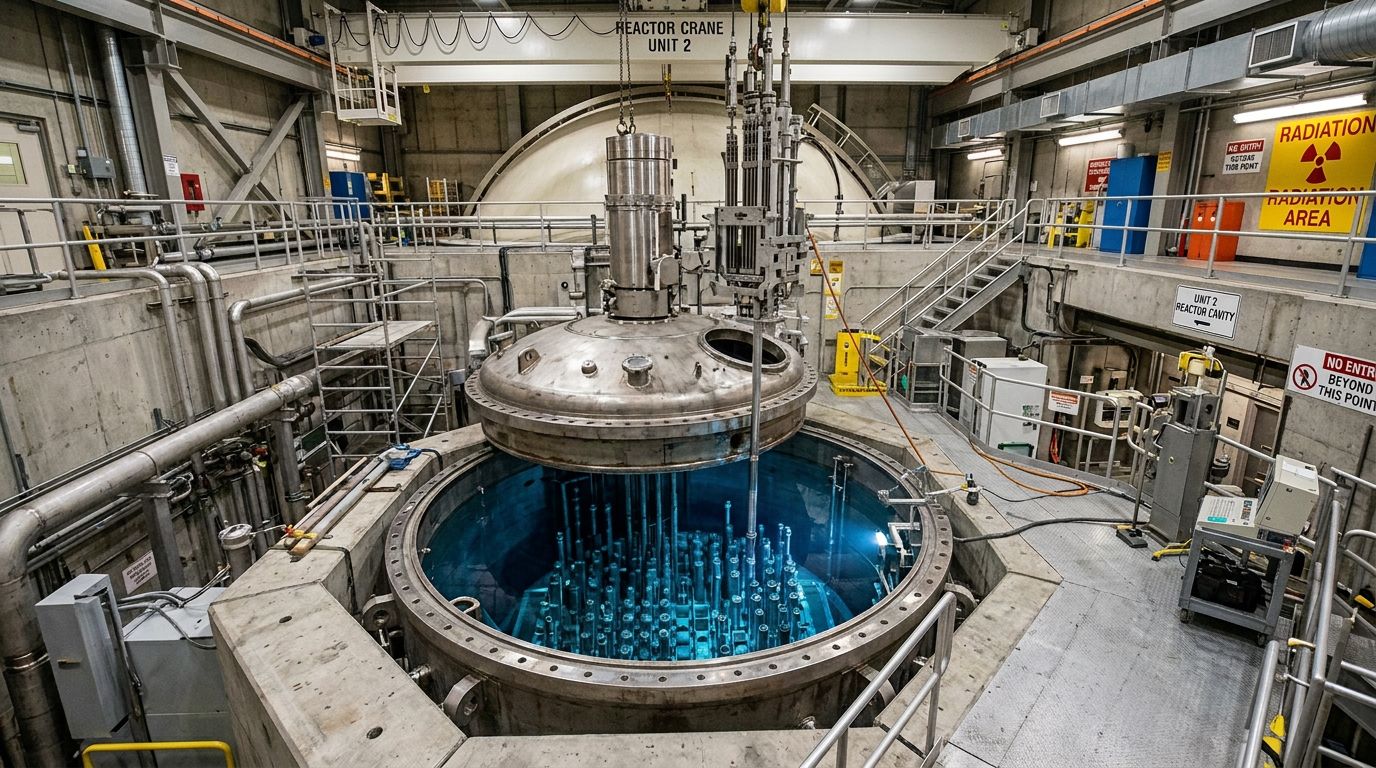
During the visit to Idaho National Laboratory (INL), the delegation held discussions on advanced nuclear reactor technologies, workforce development, regulatory research, nuclear fuel-cycle capabilities, and integrated energy systems. The programme provided Philippine officials with insights into emerging technologies, including small modular reactors (SMRs) and microreactors, and the preparations required for their potential deployment.
In Washington, D.C., the delegation met with several U.S. government agencies, industry organisations, and financing institutions. These included the U.S. Nuclear Regulatory Commission, U.S. Department of Energy, Nuclear Energy Institute, Export-Import Bank of the United States, and U.S. International Development Finance Corporation.
The discussions focused on the importance of developing a strong regulatory framework to ensure the safe and effective introduction of nuclear energy in the Philippines. The delegation also examined opportunities to strengthen institutional capacity, including support for the Philippine Atomic Energy Regulatory Authority (PhilATOM).
Other key areas included early coordination among regulatory bodies, comprehensive site and electricity grid assessments, workforce training, and sustainable financing arrangements. These measures were identified as important requirements for the long-term viability of potential nuclear energy projects.
The mission provided Philippine officials and industry representatives with an opportunity to learn from U.S. nuclear energy experience and explore cooperation in technology, regulation, financing, and institutional development. The insights gained could support the Philippines in evaluating nuclear power options while addressing safety, licensing, technical, and infrastructure requirements.
Subscribe to get the latest posts sent to your email.