Asia will need as much as $1 trillion annually in energy investment over the next 15 years to meet rising demand and reduce its exposure to supply disruptions, according to a McKinsey report released Thursday.
That amounts to $15 trillion through 2040, with the Iran war exposing just how vulnerable the region remains to disruptions in oil and gas shipments through the Strait of Hormuz.
McKinsey now expects Asian energy demand to reach 370 million terajoules by 2040, a 15% increase over its forecast from just a year ago. The region is expected to account for roughly 70% of global net energy demand growth through 2040.
Data centers, industrial expansion, and rising demand for cooling are driving much of that growth.
Coal, meanwhile, isn’t going anywhere particularly fast.
McKinsey expects Asian coal consumption to remain broadly flat over the next decade, with declining demand in China offset by increased consumption in India and Southeast Asia.
Natural gas demand growth is expected to slow over the next five to ten years as countries prioritize coal and renewables for power generation. Industrial demand could drive a longer-term recovery.
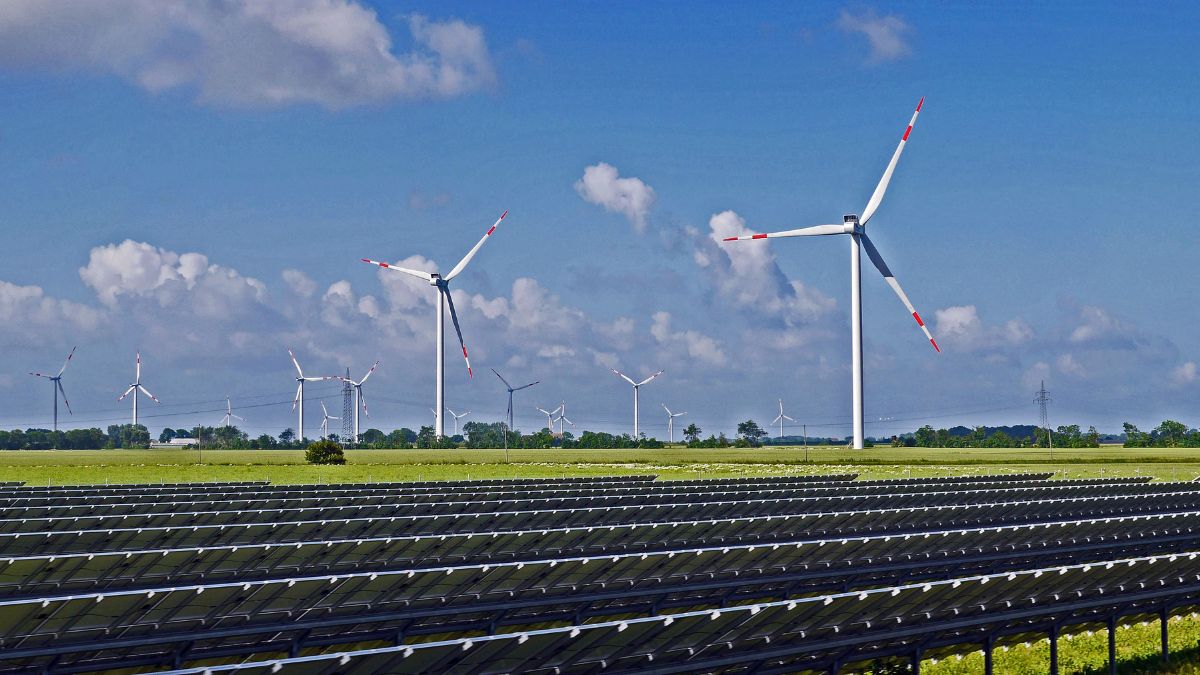
Solar and wind investment is projected to reach approximately $300 billion annually through 2040, particularly in India and Southeast Asia, but that comes with additional challenges.
A Bain and Standard Chartered report found that 50% to 60% of renewable projects in Vietnam, Thailand, and Indonesia were canceled or stalled between 2021 and 2025, with inadequate infrastructure and policy support among the obstacles.
McKinsey also sees opportunities for governments to support higher-cost domestic oil and gas development in China, the Philippines, Thailand, Vietnam, and Turkmenistan as countries look to reduce reliance on imports.
Biofuels could displace another $90 billion to $100 billion in fuel imports by 2040.
The investment requirements extend well beyond renewable generation, with domestic oil and gas production, transmission infrastructure, and alternative fuels all competing for capital as Asia attempts to secure enough energy to support its growing industrial and electricity demand.
By Julianne Geiger for Oilprice.com
More Top Reads From Oilprice.com
- Petrobras’ Deepwater Push Sets Off a Race for Offshore Vessels
- Oil Prices Climb Above $110 as Middle East Supply Fears Persist
- Russia to Send First Diesel Tanker to U.S. on Thursday