The study suggested that a standalone deep borehole repository for used nuclear fuel from the TRIGA II research reactor would cost about EUR65.6 million (USD73.5 million), excluding contingencies and VAT.
But, the Deep Isolation study says, co-locating TRIGA II used nuclear fuel within a Krško repository has only a marginal cost increase. The cost difference was explained by the need for fixed, facility-level costs which would be incurred irrespective of the inventory size.
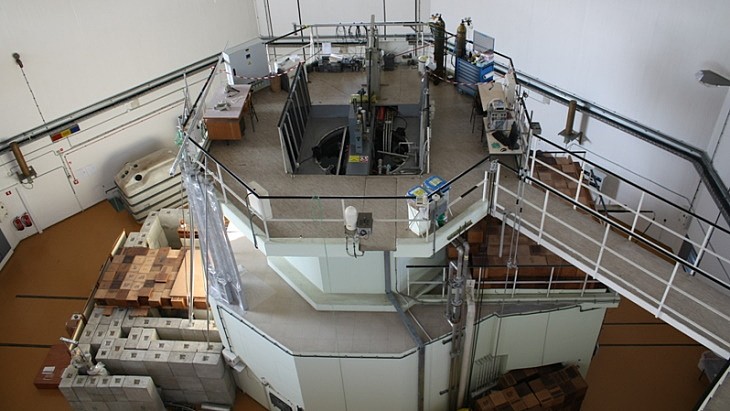
The 1960s-era TRIGA II reactor – one of 66 of its kind worldwide – produces radioactive isotopes for medical research and for training. It is scheduled to be shut down in 2043.
The TRIGA II inventory is small – 84 fuel elements that could potentially be packaged into a single Universal Canister System. The standalone options would have comprised of a “short vertical borehole microdepository drilled to 1.5 km” for a standard 34 cm canister, or 84 smaller bespoke canisters with a “longer, narrower (12.7 cm) disposal zone in a horizontal microrepository”.
Sandi Viršek, CEO for Slovenia’s Agency for Radioactive Waste Management, said: “The study gave us a clear comparison of disposal pathways for TRIGA II spent nuclear fuel. It showed that integrating a small inventory into a repository for the Krško SNF can be done with minimal additional cost, without introducing significant safety or scheduling impacts.”
Deep Isolation said: “This study provides a robust, methodologically consistent cost basis to inform Slovenia’s disposal planning for TRIGA II SNF. The results support integration of TRIGA II fuel into the Krško disposal programme as the most cost-effective option and can be used to inform national decision-making, program sequencing, and stakeholder discussions. Any future work would focus on safety assessment, implementation planning, and regulatory engagement.”
Krško is a Westinghouse pressurised water reactor located on the Sava river. It is unusual in being jointly owned by two countries: Slovenia, where it is located, and neighbouring Croatia, both of which were parts of the former Yugoslavia when Krško came online in 1981. It supplies as much as 40% of Slovenia’s electricity and has had its lifetime extended so it can operate until 2043.
Deep Isolation has previously conducted studies to show the feasibility of using its deep borehole system for the safe disposal of used nuclear fuel in Slovenia.
Borehole technology
Disposal in deep boreholes – narrow, vertical holes drilled deep into the earth’s crust – has been considered as an option for the permanent geological isolation of radioactive wastes since the 1950s. Deep borehole concepts have been developed in countries including Denmark, Sweden, Switzerland, and the USA but have not yet been implemented.
Deep Isolation’s patented technology leverages standard drilling technology using off-the-shelf tools and equipment that are common in the oil and gas drilling industry. It envisages emplacing nuclear waste in corrosion-resistant canisters – typically 9-13 inches (22-33 cm) in diameter and 14 feet long – into drillholes in rock that has been stable for tens to hundreds of millions of years.
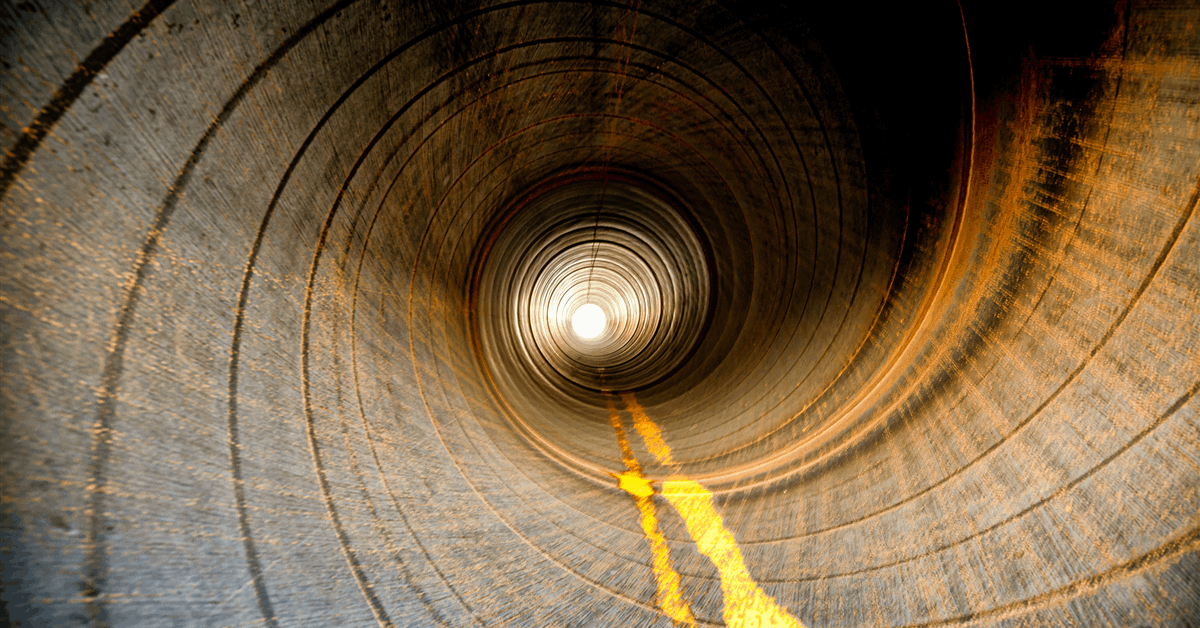
The drillhole – which is lined with a steel casing – begins with a vertical access section which then gradually curves until it is nearly horizontal, with a slight upward tilt. This horizontal ‘disposal section’ would be up to two miles (3.2 km) in length and lie anything from a few thousand feet to two miles beneath the surface, depending on geology. Once the waste is in place, the vertical access section of the drillhole and the beginning of its horizontal disposal section would be sealed using rock, bentonite and other materials.