The Union Cabinet, chaired by Prime Minister Narendra Modi, has approved a Viability Gap Funding (VGF) Scheme worth Rs.14,500 crore to accelerate the development of 92 GWh of grid-scale energy storage systems across India. The scheme will be implemented over five financial years, from FY 2026-27 to FY 2030-31, and aims to strengthen the country’s electricity infrastructure, support renewable energy integration and ensure reliable and affordable round-the-clock power supply.
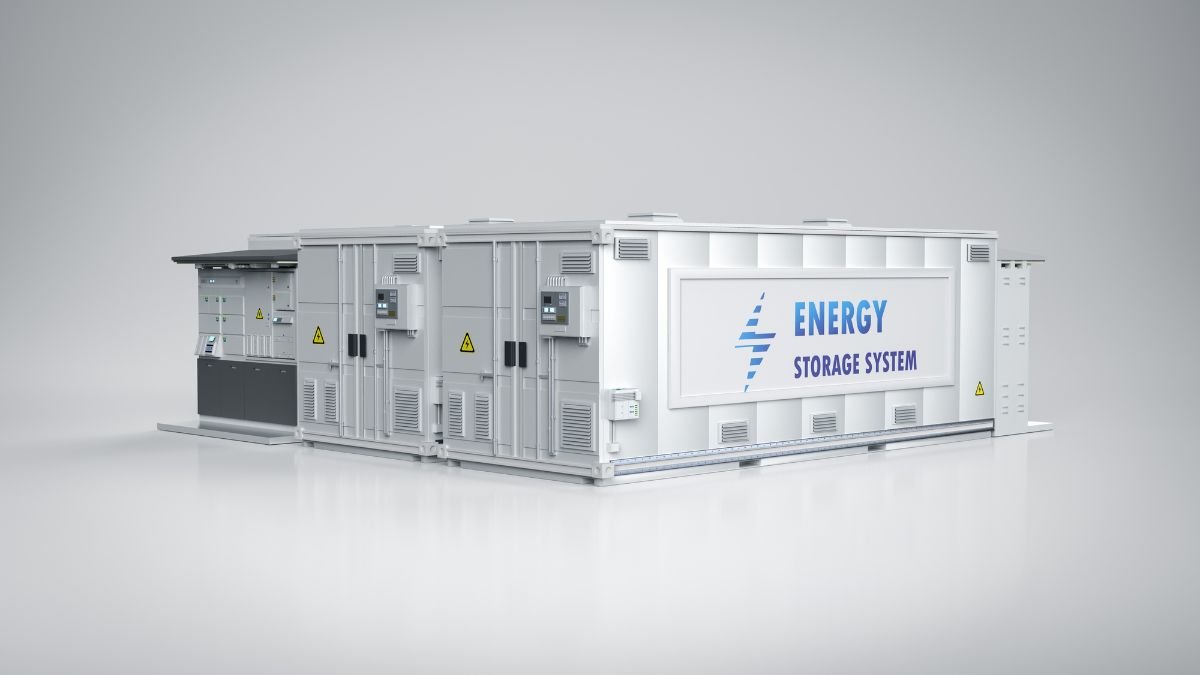
The initiative is designed to support the development of 92 GWh of new energy storage capacity that is yet to be commissioned. The proposed capacity will comprise 60 GWh of Hydro Pumped Storage Projects (PSP), 30 GWh of Battery Energy Storage Systems (BESS) and 2 GWh of emerging alternative energy storage technologies. The total estimated investment for developing these projects is approximately Rs.97,600 crore.
According to the government, the scheme will support the creation of new energy storage capacities equivalent to around 170% of India’s existing grid-scale energy storage capacity. It will also contribute towards meeting the country’s projected requirement of 411 GWh of grid-scale energy storage capacity by FY 2031-32. The financial assistance is expected to improve the commercial viability of large-scale storage projects and encourage greater participation from public and private sector developers.
Under the scheme, energy storage capacities will be allocated through a tariff-based competitive bidding process. Public and private sector electricity distribution companies will be eligible to receive VGF support for Battery Energy Storage Systems and Hydro Pumped Storage Projects. Meanwhile, projects based on alternative energy storage technologies will be implemented by both public and private sector entities.
A major feature of the scheme is its focus on strengthening India’s domestic battery manufacturing ecosystem. To encourage indigenous manufacturing and reduce dependence on imported components, BESS projects supported under the scheme will be subject to a mandatory minimum Domestic Content Requirement (DCR) of 40%. This provision is expected to create additional demand for domestically manufactured battery storage components, provide opportunities for Indian manufacturers and support the development of a stronger domestic supply chain.
The domestic content requirement will also complement existing government initiatives aimed at expanding battery manufacturing capabilities in the country. By linking financial assistance with domestic manufacturing requirements, the scheme seeks to promote local industrial participation while supporting the deployment of large-scale energy storage infrastructure.
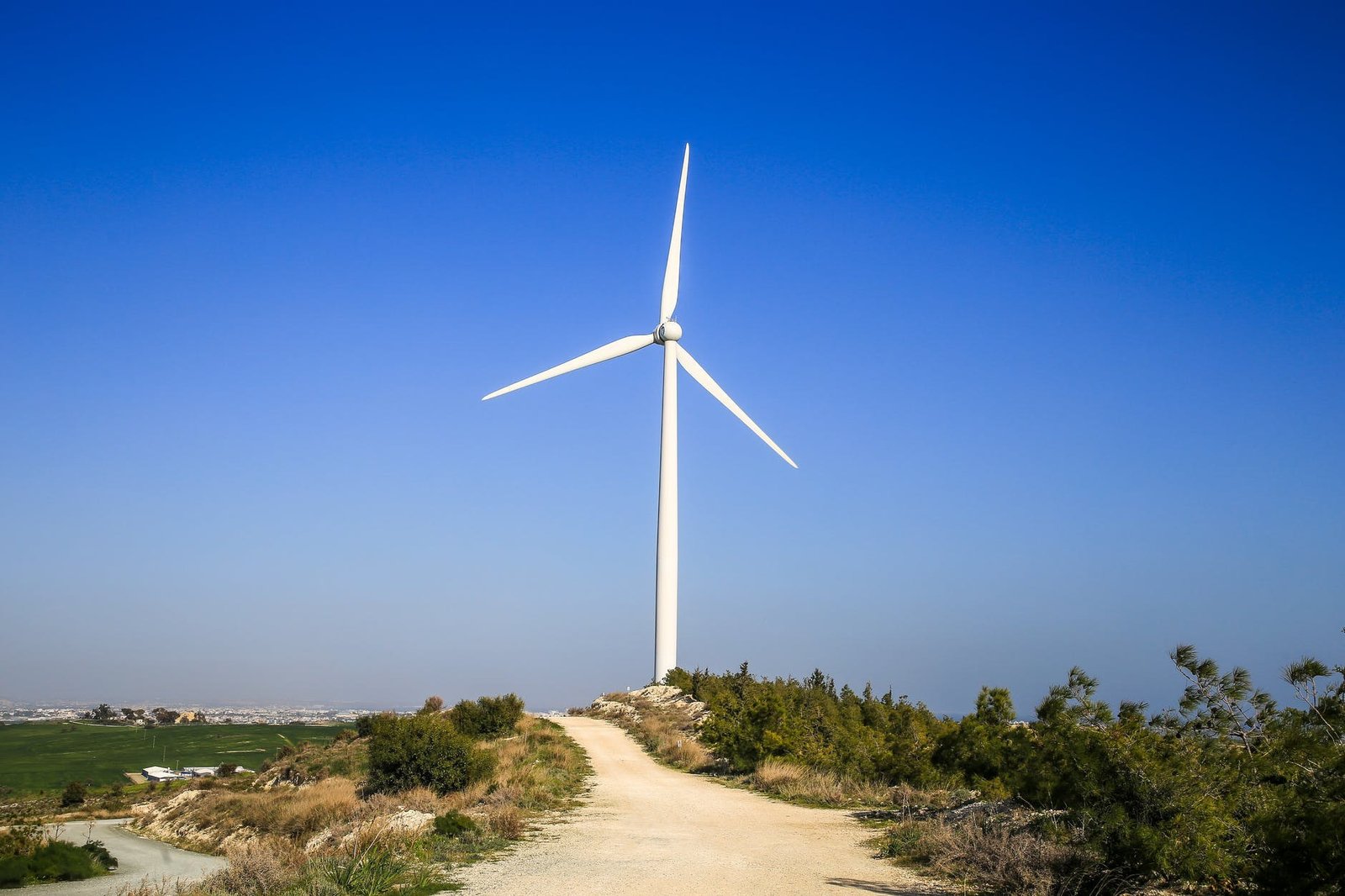
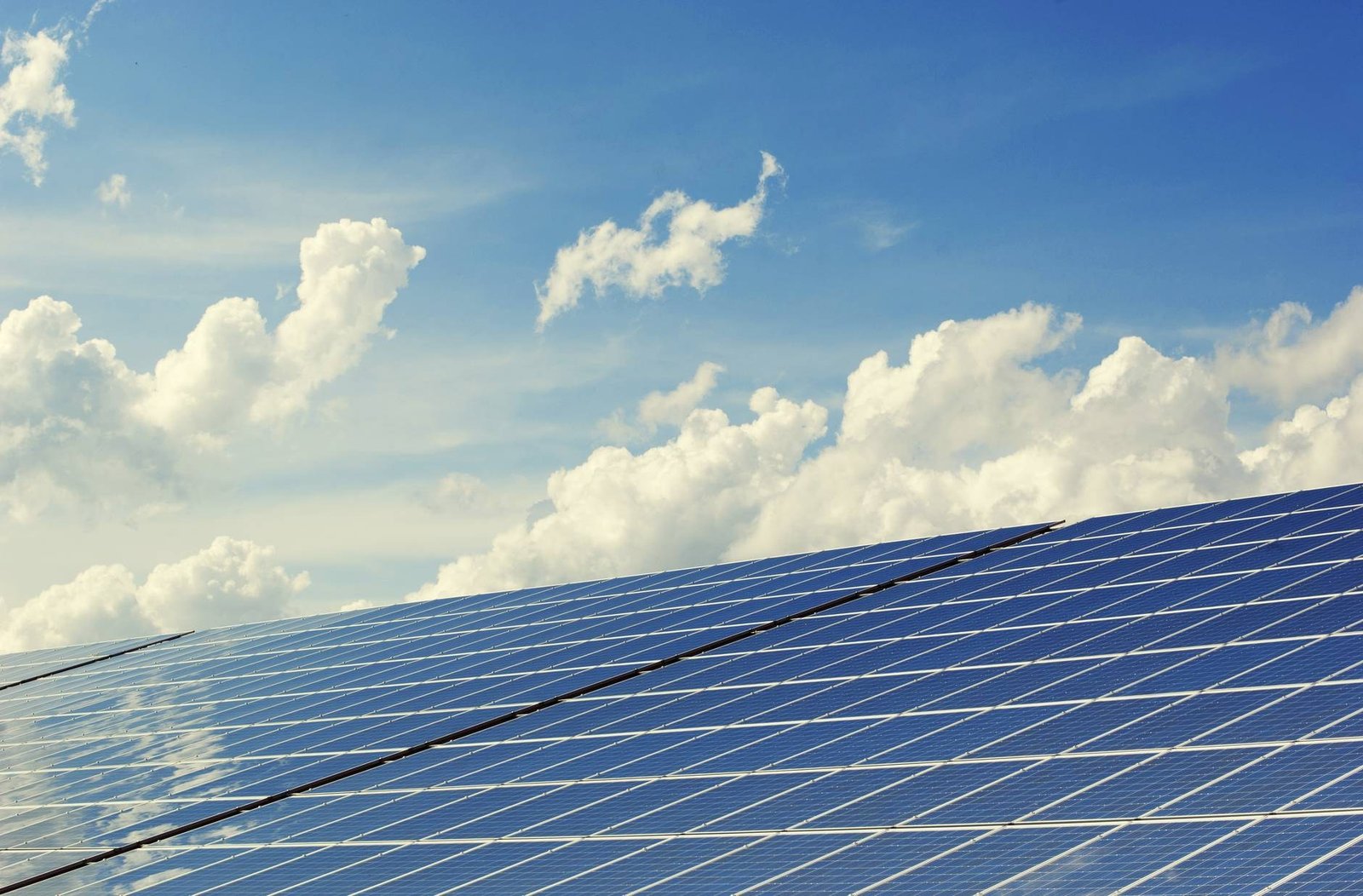
The approval comes as India continues to expand its renewable energy capacity, particularly solar and wind power. However, the variable nature of renewable energy generation creates challenges for maintaining a consistent electricity supply and balancing demand and generation across the grid. Grid-scale energy storage systems are expected to address these challenges by storing surplus electricity and supplying it when renewable generation declines or electricity demand increases.
The development of pumped storage projects and battery energy storage systems will provide additional flexibility to the electricity grid, improve system stability and enable greater utilisation of renewable energy. It is also expected to reduce dependence on conventional power generation for balancing electricity demand and supporting round-the-clock supply.
Through the Rs.14,500 crore VGF scheme, the government aims to accelerate investment in energy storage infrastructure, improve the financial viability of emerging technologies and encourage domestic manufacturing. The initiative is expected to play an important role in strengthening India’s energy security, supporting its clean energy transition and advancing the objectives of Atmanirbhar Bharat and Viksit Bharat.
Subscribe to get the latest posts sent to your email.