By
4 min ago 4 min read
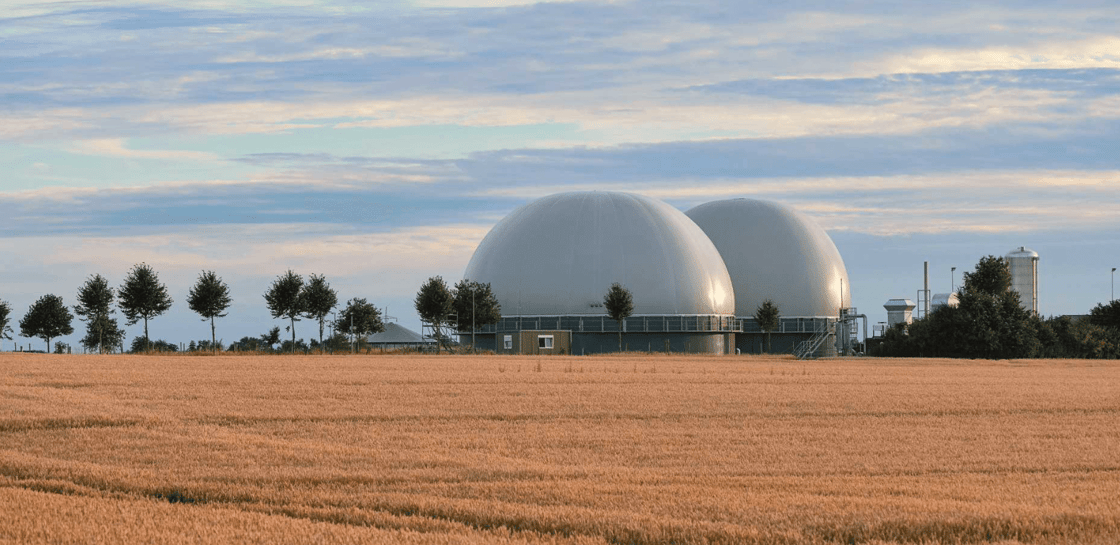
An international declaration launched at COP31 has called on governments to accelerate the deployment of biogas and biomethane, as the sector looks to unlock a global production potential equivalent to around a quarter of current natural gas demand.
The Biogas Declaration, launched by Türkiye at the UN climate conference on 12 November, calls for greater international cooperation to scale up sustainable biogas production, improve access to finance and integrate renewable gases into existing energy and transport markets.
According to the International Energy Agency, sustainable global biogas and biomethane production potential could reach nearly 1,400 billion cubic metres (bcm) equivalent by 2050. Around 80% of this potential is located in emerging markets and developing economies.
Beyond renewable energy production, biogas systems can provide dispatchable electricity and heat, improve organic waste management and produce valuable co-products including organic fertilisers and biogenic carbon dioxide.
Despite established technologies and growing investment, deployment remains far below the sector’s potential.
The declaration calls for action to stimulate demand, improve access to international finance, accelerate integration into natural gas and transport markets, strengthen emissions mitigation and advance certification systems and standardised methodologies.
These challenges are already evident in more established markets, particularly Europe, where production ambitions have increasingly run up against regulatory and practical barriers.
At a session in June, representatives from the European Commission and industry highlighted lengthy permitting procedures, regulatory uncertainty, feedstock availability and difficulties securing long-term purchasing agreements as obstacles to expansion.
Łukasz Koliński, Director for Green Transition and Energy System Integration at the European Commission’s Directorate-General for Energy, said producers and investors continued to encounter too many barriers, including “lengthy and complex permitting procedures, regulatory uncertainty, and social acceptance”.
The European experience also indicates the importance of securing local support for new infrastructure. Proposed biomethane developments in countries including Spain, Ireland and England have encountered , with concerns centred on plant locations, feedstock transportation, odour and the cumulative impact of multiple facilities.
Financial support remains another challenge. In the UK, the Anaerobic Digestion and Biogas Association that more than a dozen biomethane projects ready for construction were awaiting approval, calling on the government to lift restrictions on its Green Gas Support Scheme.
Wider benefits beyond energy
The COP31 declaration stresses the need for biogas production in rural areas, where agricultural residues, livestock waste and other organic materials can provide locally available feedstocks.
Digestate can be returned to farmland as an organic fertiliser, while projects can create additional revenue streams and employment opportunities for agricultural communities.
Biogenic CO2 captured during biogas upgrading can also provide a feedstock for sustainable fuels and other industrial applications.
Harmen Dekker, CEO of the EBA and Vice Chair of the UNECE Group of Experts on Gas, said the declaration represented an opportunity to bring biogas and biomethane further into international climate and energy discussions.
“The launch of the Biogas Declaration at COP31 sends an important signal: a proven and readily available solution with significant global potential needs to be more firmly integrated into international climate and energy action,” he said.
“Biogases connect GHG mitigation and energy security with circularity, sustainable agriculture and rural development. We encourage countries to recognise this opportunity, develop their national potential and support the Declaration.”
The declaration will remain open for endorsement by national governments following COP31, with the UNECE Group of Experts on Gas supporting further engagement with governments and other stakeholders.
Countries endorsing the declaration are expected to reconvene at COP32 to assess progress and consider further action to translate its objectives into national policies and deployment.