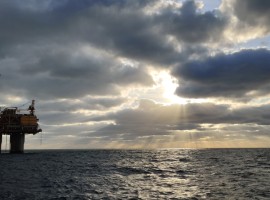
In a statement posted on its website this week, which was translated from the original Spanish, Petróleos Mexicanos (Pemex) reported that, on February 13, “a group of approximately eight individuals not affiliated with the public company illegally boarded the Zaap-D satellite platform of the Ku Maloob Zaap Production Asset”.
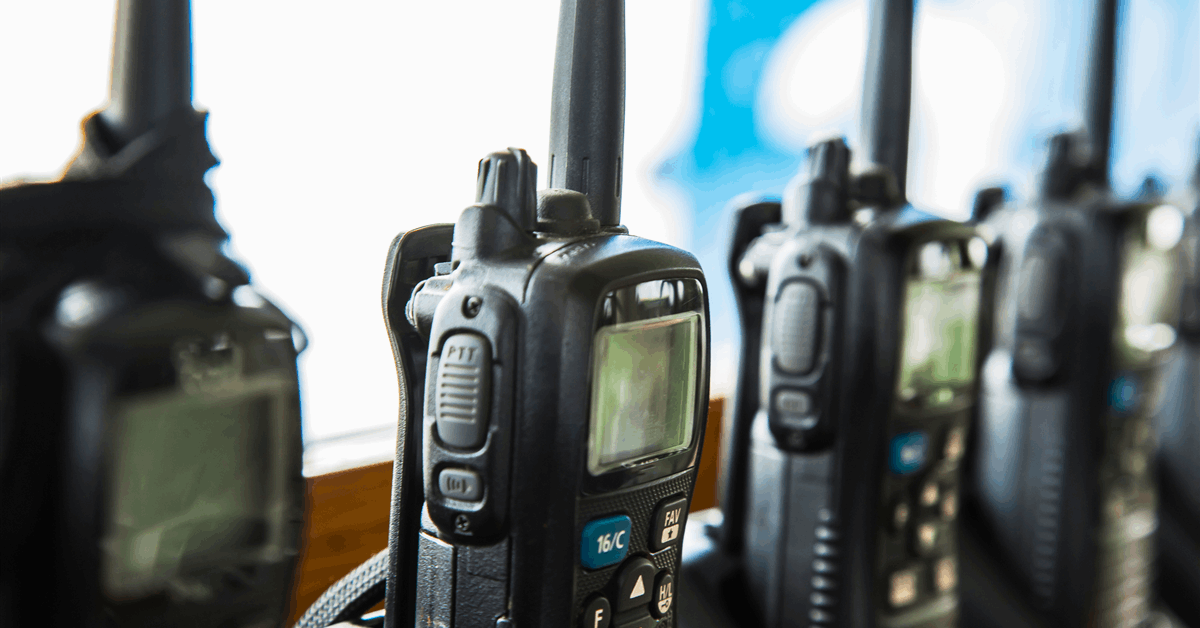
Pemex revealed in the statement that the individuals “stole radio devices, as well as various tools and self-contained breathing equipment”.
“For this reason, Pemex physical security personnel in Ciudad del Carmen coordinated support with personnel from the Navy (Semar) in order to activate the General Protocol for Attention to Events in the Marine and Coastal Facilities of Pemex Exploration and Production,” the company said in the statement.
“It should be noted that the staff of this public company did not suffer any physical harm; only two Pemex workers were evacuated from the platform, due to a possible stress scenario resulting from the incident, so they were transferred to the Pemex General Hospital in Ciudad del Carmen, for their corresponding medical evaluation,” Pemex added.
Pemex said in the statement that it reinforced security measures in the Campeche “with a greater number of physical security agents and also coordinated with the Semar to increase the number of patrols with vessels”.
In its latest maritime security threat advisory (MSTA), which was released on February 17, Dryad Global said “piracy in the Gulf of America/Mexico, particularly around the Bay of Campeche, has been on the rise, with oil platforms and vessels becoming prime targets”.
Dryad noted in its MSTA that the Mexican Navy has deployed numerous naval vessels, aircraft, and personnel in Operation Refuerzo to combat threats.
“They recently have shifted their security strategy from relying on vessels to incorporating more drones for improved coverage and response times across the Gulf,” Dryad added.
“Despite these efforts, the military’s response has been criticized for delays, which could be attributed to budget constraints and logistical challenges,” Dryad went on to state.
Dryad’s latest MSTA gives Mexico a “substantial” risk and impact rating. That sits in the middle of Dryad’s risk and impact rating system, which goes from low, to moderate, to substantial, to severe, to critical, the company’s MSTA shows.
Rigzone has contacted Mexico’s Secretaria de Marina and Secretaria de la Relaciones Exteriores for comment on Pemex’s statement and Dryad’s MSTA. At the time of writing, neither have responded to Rigzone’s request.
Pemex states on its site that it is “the most important company in Mexico and one of the largest in Latin America”. The business notes on its site that it carries out “extensive exploration and extraction projects every year”. The company has six refineries, six petrochemical complexes, and nine gas processing complexes, according to its site.
Dryad Global notes on its site that it offers a comprehensive suite of maritime intelligence and cyber solutions. The site highlights that the company is impartial and that its CEO, Corey Ranslem, has 27 years of experience in the public and private sector working with ports, cargo lines, cruise lines, and large yachts. Ranslem is a veteran of the U.S. Coast Guard and is a recognized expert in U.S. Federal Court in maritime security, the site states.
To contact the author, email