The report provides a comprehensive analysis of settlement rates for renewable energy in various Indian states under different billing mechanisms, including net metering, net billing, and gross metering. It highlights how different states have structured their policies to promote renewable energy integration into the grid.
In Kerala, net metering settlements are based on the Average Pooled Power Purchase Cost (APPC) rate of ₹3.15 per unit for FY 2023-24. Tamil Nadu follows a different approach, where excess unadjusted electricity at the end of the settlement period is not compensated, while net billing and gross metering are compensated at feed-in tariffs ranging from ₹3.10 to ₹3.61 per unit depending on capacity.
Maharashtra follows the latest discovered tariff for grid-scale solar projects, which is ₹2.90 per unit for FY 2024-25. Similarly, Gujarat has specific settlement structures for different consumer categories, where residential, government, and MSME enterprises receive ₹2.25 per unit for the first five years, followed by 75% of the average tariff for non-park-based solar projects.
In Rajasthan, the weighted average tariff of large-scale solar projects (5 MW and above) from the previous financial year is used, currently between ₹2.87 and ₹3.00 per unit for 2024. Uttar Pradesh adopts a similar method but includes a 25% incentive, leading to a settlement rate of ₹2.98 per unit plus the incentive.
Haryana and Bihar do not compensate for unadjusted excess energy at the end of the settlement period. However, Haryana offers a fixed tariff of ₹3.11 per unit for five years, while Bihar follows a feed-in tariff of ₹3.11 per unit, based on 2022 rates.
In Madhya Pradesh, excess energy is paid at the lowest tariff discovered through solar or wind bidding in the previous financial year, which is currently ₹2.14 per unit. Assam follows the APPC rate of ₹5.33 per unit for FY 2024-25, while West Bengal compensates at ₹2.09 per unit under both net and net billing.
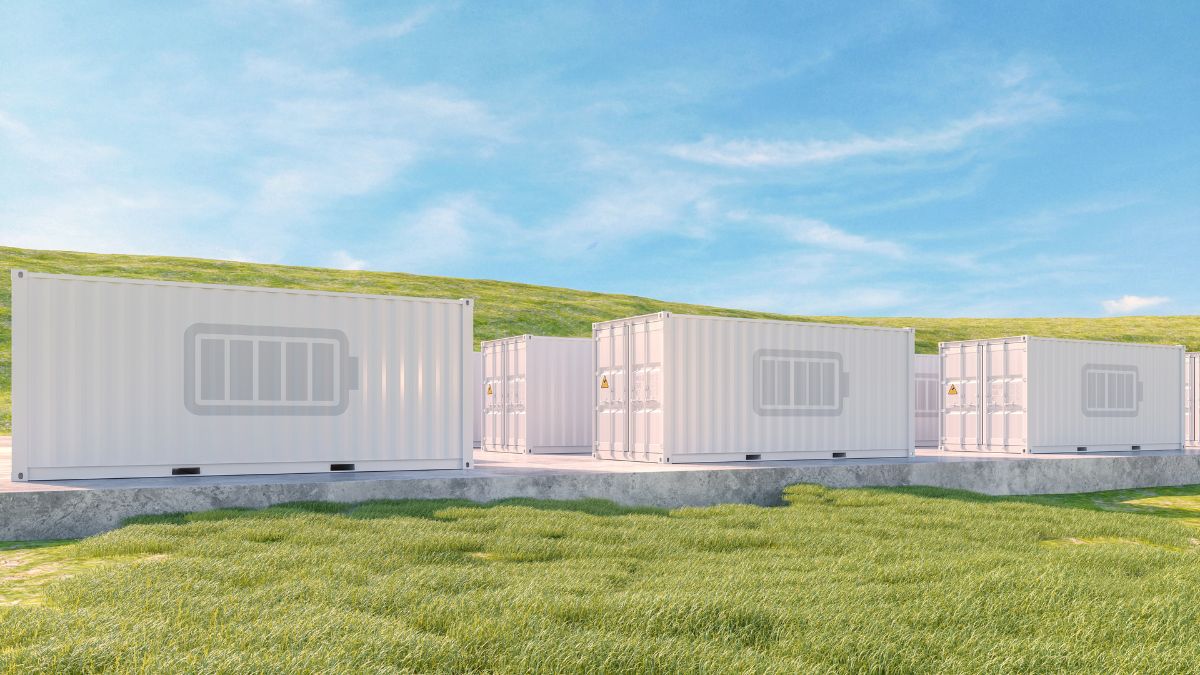
Tripura has a unique model where domestic consumers can receive quarterly payments for surplus electricity exceeding 100 units, capped at 3.8 units per kW of installed capacity per day. The feed-in tariff is 35% of the average cost of supply. Additionally, for systems with battery storage, evening peak supply (6 PM to 10 PM) is compensated at 80% of the average cost of supply.
Himachal Pradesh calculates settlement rates based on subsidy levels. If subsidies are below 50% of capital cost, the rate is ₹1.402 per unit, reducing to ₹0.526 per unit for systems receiving more than 90% subsidy.
Karnataka offers a generic tariff of ₹3.82 per unit for residential solar systems up to 10 kW, and ₹2.84 per unit for larger projects. Andhra Pradesh has a flat settlement rate of ₹2.09 per unit for net metering and net billing, while gross metering varies from ₹2.71 to ₹4.17 per unit based on usage patterns.
Telangana follows an APPC-based compensation model, while Punjab limits net metering benefits to 90% of annual electricity consumption. The feed-in tariff in Punjab is ₹2.65 per unit for FY 2023-24.
The underscores the diverse approaches taken by Indian states in structuring settlement rates for renewable energy, reflecting efforts to balance financial viability, grid stability, and consumer benefits.