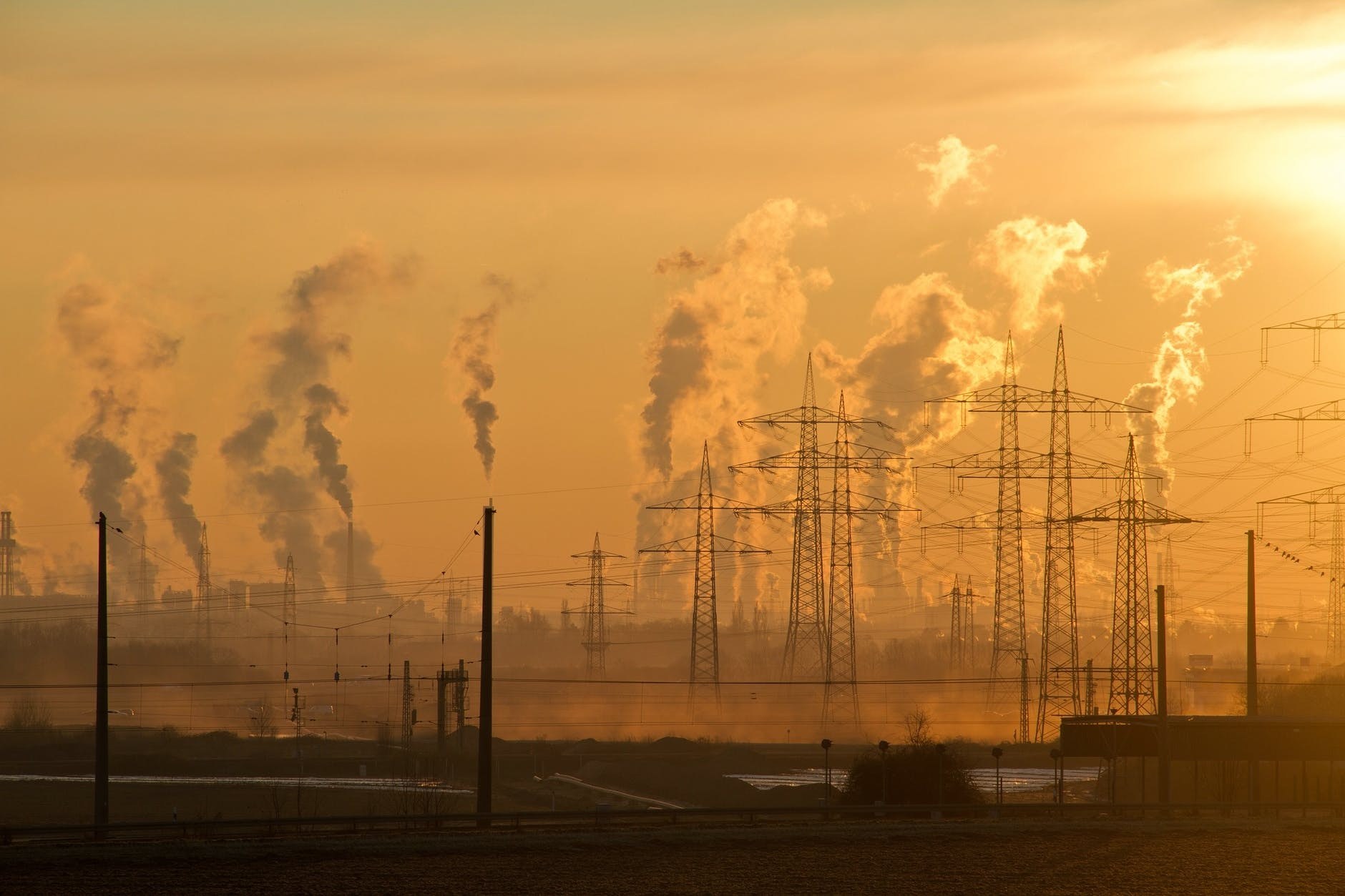
Global energy-related carbon dioxide (CO2) emissions increased by 1.1% in 2023, reaching a new record high of 37.4 billion tonnes. This rise, amounting to an additional 410 million tonnes compared to 2022, highlights the ongoing challenge of curbing emissions despite significant clean energy advancements. Much of the increase was attributed to higher coal consumption, which accounted for over 65% of the growth in emissions. The global shortfall in hydropower generation, due to severe droughts, further contributed by adding around 170 million tonnes of emissions. Without this hydropower decline, emissions from the global electricity sector might have decreased in 2023.
In India, emissions rose by around 190 million tonnes in 2023. The country experienced robust GDP growth of 6.7%, which drove up energy demand, particularly in the power sector. A weak monsoon worsened the situation by reducing hydroelectric generation and increasing the need for thermal power to meet growing electricity demand. Despite this increase, India’s per capita emissions remain much lower than the global average—around 2 tonnes compared to the global average of 4.6 tonnes. However, India has now surpassed the European Union to become the third-largest emitter of CO2 globally, following China and the United States.
China also saw a significant increase in emissions, rising by approximately 565 million tonnes, primarily due to its energy-intensive economic recovery and a poor year for hydropower generation. Although China leads the world in clean energy deployment, including solar, wind, and electric vehicles, these advancements have not fully offset the rise in energy demand from industrial activities and infrastructure investment.
One of the key observations in 2023 was that, although emissions rose, the rate of growth has slowed compared to previous decades. Over the past ten years, emissions grew by only about 0.5% per year—the slowest rate since the Great Depression. This deceleration is largely due to rapid clean energy deployment. Between 2019 and 2023, major clean energy technologies like solar photovoltaic (PV), wind power, nuclear energy, heat pumps, and electric vehicles helped prevent emissions from rising even faster. Without these clean technologies, global emissions would have grown three times more during this period.
In advanced economies, CO2 emissions fell by 4.5% in 2023, despite economic growth of 1.7%. Emissions in these regions have returned to levels last seen fifty years ago. The decline was driven by several factors, including a shift from coal to gas, a boost in renewable energy generation, milder winter temperatures, and reduced industrial activity. Coal demand in advanced economies has dropped to levels similar to those of 1900, a reflection of the shift towards cleaner energy sources.
In contrast, coal remains a major energy source in emerging markets, particularly in China and India, and was the largest contributor to global emissions growth in 2023. Coal accounted for nearly 70% of the global increase in emissions. India saw substantial growth in coal-fired power generation to compensate for reduced hydroelectric output caused by the poor monsoon. In India, the poor monsoon led to a 15% decline in hydropower generation and increased electricity demand for agriculture, contributing to about one-quarter of the country’s total emissions rise in 2023.
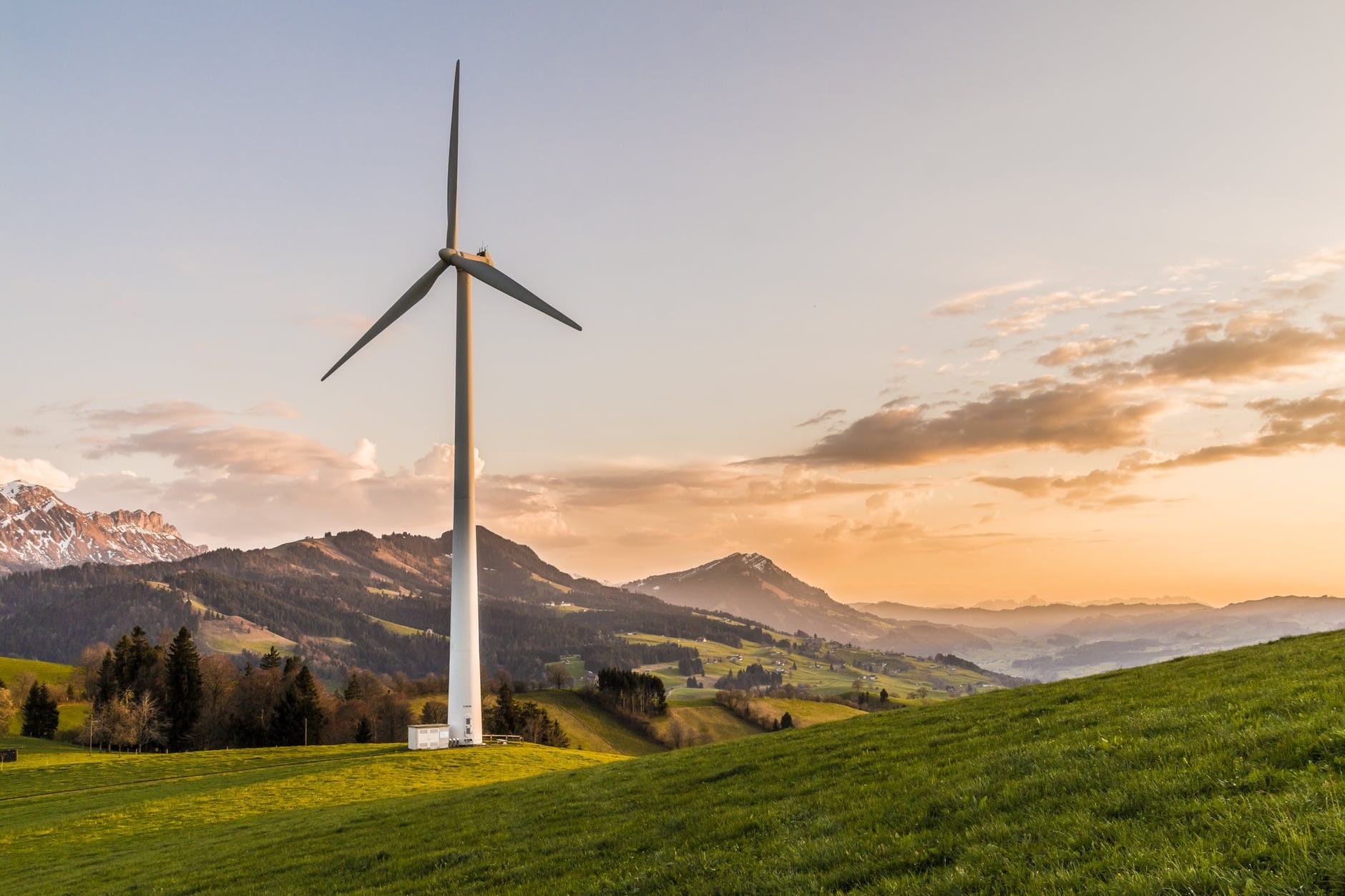
Despite the growth in emissions, the expansion of renewable energy provides some optimism. India continues to make strides in renewable energy deployment, ranking among the top countries in solar and wind capacity additions. However, the pace needs to accelerate if India and the world are to meet their climate commitments.
In , while 2023 saw another increase in global CO2 emissions, the growth was slower than in previous decades, thanks to advancements in clean energy. India, as a major emerging economy, faces the dual challenge of sustaining economic growth while transitioning to cleaner energy sources. Its future role in global emissions will depend on how quickly it can scale up renewable energy and improve energy efficiency while managing the impacts of climate variability, such as monsoon strength and droughts.