

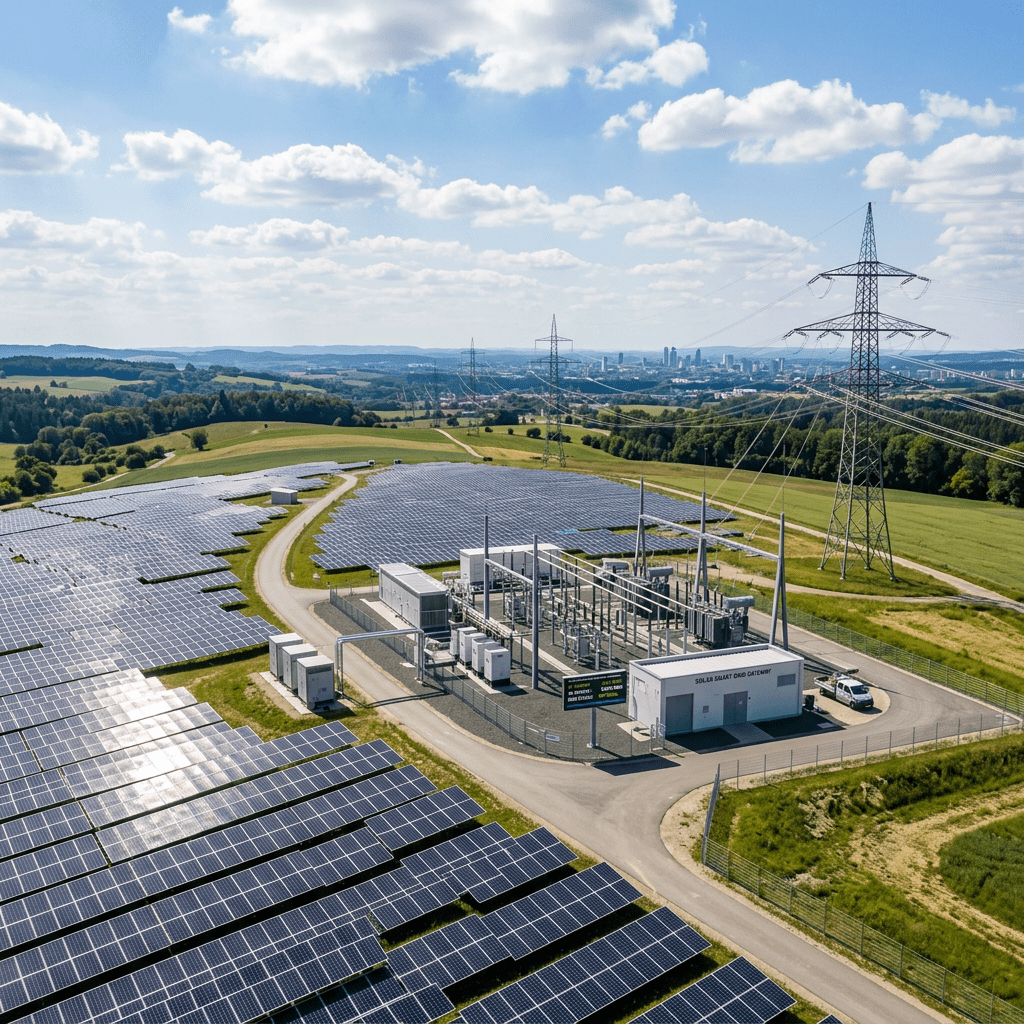
As solar power capacity continues to grow across the world, one of the biggest technical challenges is transmitting electricity from solar plants to demand centers efficiently and reliably. Large-scale solar projects are often located in remote desert regions, open lands, or semi-arid areas where sunlight availability is high, but grid connectivity is weak. This makes modern transmission infrastructure extremely important for successful solar power evacuation.
Solar power generation is different from conventional thermal or hydro power because it is variable and weather-dependent. The output from solar plants changes throughout the day depending on sunlight intensity, cloud movement, seasonal conditions, and temperature. Such fluctuations create instability in the power grid if proper transmission planning and grid balancing systems are not implemented. Modern transmission lines and advanced grid technologies help utilities manage these variations while maintaining a stable electricity supply.
One major challenge in solar power evacuation is transmission congestion. In many regions, solar generation capacity is increasing faster than transmission infrastructure expansion. As a result, existing transmission corridors become overloaded during peak solar generation hours. This leads to curtailment, where renewable energy generation is reduced despite available sunlight. Curtailment not only impacts project revenues but also slows clean energy adoption. Upgrading transmission capacity through high-voltage transmission systems can reduce these losses significantly.
High Voltage Direct Current (HVDC) transmission technology is increasingly being used for long-distance solar power evacuation. HVDC systems are more efficient than conventional alternating current (AC) systems for transmitting electricity over large distances with lower transmission losses. These systems also provide better control over power flow and improve grid stability. Countries investing heavily in renewable energy are deploying HVDC corridors to connect solar-rich regions with urban and industrial load centers.
Another technical issue is voltage fluctuation and frequency imbalance caused by intermittent solar generation. Traditional grids were designed mainly for centralized thermal power plants operating at stable output levels. However, solar generation introduces rapid variations into the network. To address this challenge, utilities are deploying Flexible AC Transmission Systems (FACTS), smart inverters, dynamic reactive power compensation, and automated grid management systems. These technologies improve voltage regulation and support stable grid operations.
Energy storage systems also play a crucial role in grid optimization. Battery Energy Storage Systems (BESS) can store excess solar electricity during daytime and release it during evening peak demand periods. This helps reduce stress on transmission lines and enhances grid flexibility. Storage systems also support frequency regulation and provide backup power during sudden generation drops caused by weather disturbances.
Digitalization is transforming transmission infrastructure as well. Modern grids now use Artificial Intelligence (AI), Internet of Things (IoT), and real-time monitoring technologies to improve transmission efficiency. Advanced sensors and smart grid platforms allow operators to detect faults quickly, predict equipment failures, and optimize power dispatch. Real-time data analytics helps utilities balance electricity demand and renewable generation more accurately.
Grid synchronization between states and regions is another important factor for efficient solar evacuation. Interconnected national grids allow renewable-rich regions to transfer excess electricity to high-demand areas. Cross-border power transmission and regional interconnections are also gaining importance for renewable energy integration globally.
Despite these advancements, land acquisition, regulatory approvals, right-of-way issues, and high infrastructure costs continue to delay transmission projects in many countries. Therefore, governments and utilities must focus on long-term transmission planning alongside renewable energy expansion targets.
Modern transmission lines are no longer just electricity carriers; they are becoming intelligent networks that support the future of clean energy. Efficient solar power evacuation combined with advanced grid optimization technologies will play a critical role in building a stable, reliable, and sustainable energy system for the future.
Subscribe to get the latest posts sent to your email.









%20Expands%20Into%20Renewable%20Energy%20With%20Solar%20Project%20and%20INR%204.86%20Crore%20Solar%20Module%20Order)