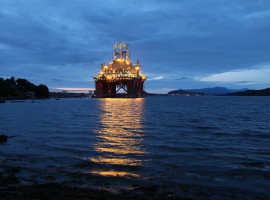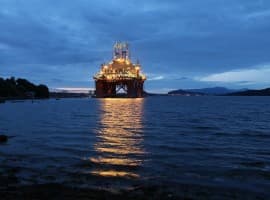
The UK could produce about half of the energy it consumes locally, in the North Sea, the energy industry association, Offshore Energies, said this week, as quoted by the Financial Times. For that, however, the industry needs the “right business conditions”.
Offshore Energies UK said that local energy production was estimated at some 2 billion to 3 billion barrels of oil equivalent until 2050, under the government’s net-zero plans, which estimate total energy demand of 13 to 15 billion barrels of oil equivalent in that period. Yet the North Sea could yield another 2 to 3 billion barrels of oil equivalent on top of the projected volumes, OEUK said, with the right encouragement from the government.
‘;
document.write(write_html);
}
“The UK needs oil and gas — and we should be focused on producing as much of that ourselves,” David Whitehouse, the chief executive of Offshore Energies UK, said. “It would require new projects to meet that target, but the majority of those would come from existing licensed areas.”
Additional production of oil and gas would make a substantial addition to estimated economic value, to the tune of 150 billion pounds, equal to around $194 billion. That would be on top of projected economic value creation of 200 billion pounds, or $258 billion, from domestic oil and gas production.
The Starmer government has signaled it recognizes the importance of local energy production despite a strong anti-oil activist lobby that has been hard at work to discourage any concessions to the industry. While vowing to ban new oil and gas exploration, PM Starmer’s cabinet earlier this month found a way to keep the oil and gas flowing: via tiebacks to existing fields.
The Financial Times reported the news in early March, citing documents from a cabinet consultation about “how we might ensure that our regulatory regime can support activity where it is needed to deliver the government’s broader strategic priorities”. This support, apparently, can be ensured by tapping new resources in deposits adjacent to already producing fields.
By Irina Slav for Oilprice.com
More Top Reads From Oilprice.com
- Trump: 25% Tariff On Anyone Who Buys Venezuelan Oil & Gas
- Goldman Sachs Cuts Oil Price Outlook Amid Oversupply Fears
- Iran Oil Tankers Evading Sanctions with False Iraqi Paperwork