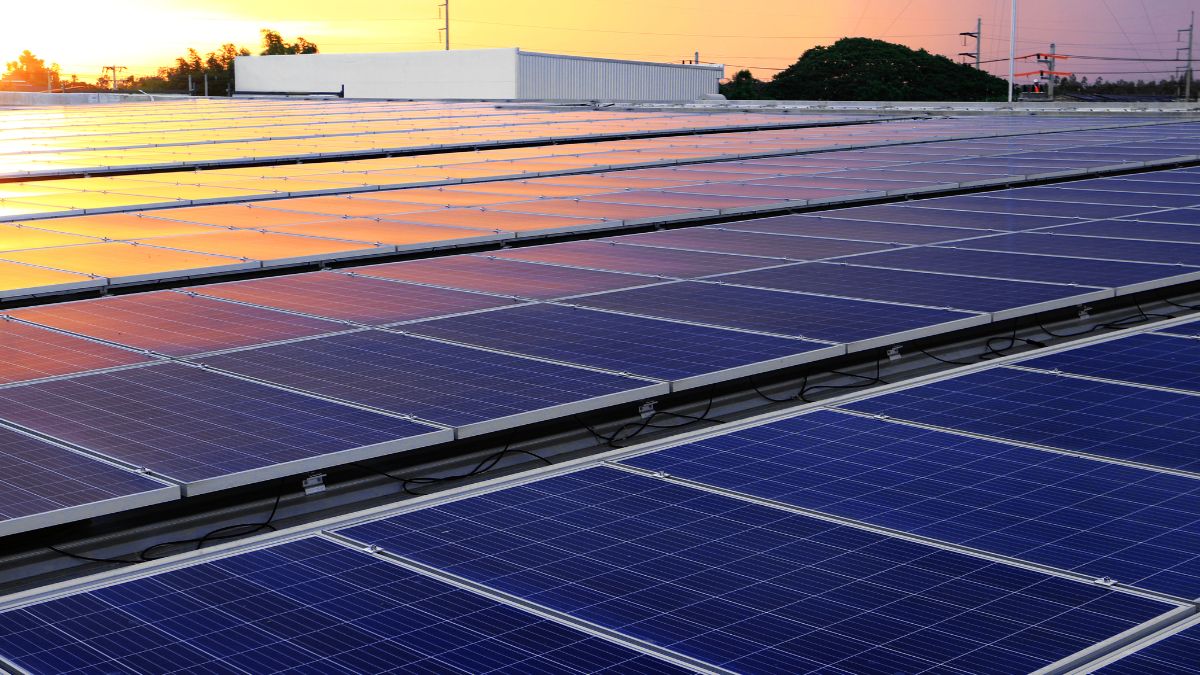
Solitaire Powertech Private Limited filed a petition seeking compensation for additional capital expenditure incurred due to the introduction of the Goods and Services Tax (GST) laws. The company had set up a 30 MW solar power project in Chitradurga, Karnataka, under a power purchase agreement (PPA) signed with the Solar Energy Corporation of India (SECI). The project was commissioned in March 2018, and commercial operations began in April 2018.
The company initially approached the Commission through a petition in 2019, requesting recognition of GST as a “Change in Law” event. The Commission, in an order issued in 2022, acknowledged this claim and directed SECI to compensate the petitioner for additional capital costs arising from the GST implementation. Further, in a separate order, the Commission allowed the petitioner to recover ongoing operational and maintenance expenses caused by the new tax structure.
Despite these rulings, Solitaire Powertech contended that the compensation methodology adopted by SECI did not account for carrying costs, interest, and discount factors from the commercial operation date to the first payment. The company argued that SECI had incorrectly calculated the annuity payments over 13 years without considering these financial impacts.
The petitioner sought an adjustment to the compensation structure, ensuring that payments reflected the true financial burden incurred. It claimed that excluding carrying costs led to under-recovery of its legitimate expenses. The Commission was urged to rectify this discrepancy and direct SECI to revise the payment mechanism.
The case highlights the financial implications of policy changes on renewable energy developers and the necessity for a fair compensation framework to ensure project viability. The outcome of this petition will have broader implications for future claims related to changes in law and their financial impact on independent power producers.