The Andhra Pradesh Electricity Regulatory Commission (APERC) has introduced an important amendment to its 2023 regulation concerning grid-interactive solar rooftop photovoltaic systems under net and gross metering. The original regulation, which was published in the AP Extraordinary Gazette in February 2024, has now been updated in response to the Government of Andhra Pradesh’s recent policies and its focus on clean energy.
On October 16, 2024, the Government of Andhra Pradesh launched the Integrated Clean Energy (ICE) Policy, aiming to make the state a leader in clean energy. This policy targets the achievement of 50% cumulative electricity capacity from non-fossil fuel sources by 2030 and net-zero emissions by 2047. With an emphasis on renewable energy (RE), the policy outlines key initiatives such as promoting RE manufacturing projects, tapping into the state’s abundant solar, wind, and hybrid energy resources, and encouraging energy self-sufficiency. Additionally, the policy aims to create jobs, attract investments, and turn the state into a hub for green hydrogen and other clean energy technologies.
In this context, the Andhra Pradesh Government requested the APERC to amend the principal regulation to further support the state’s clean energy goals. The proposed amendments cover several key aspects, including the involvement of Distributed Energy Resource (DER) aggregators and the introduction of an application fee structure for solar rooftop systems.
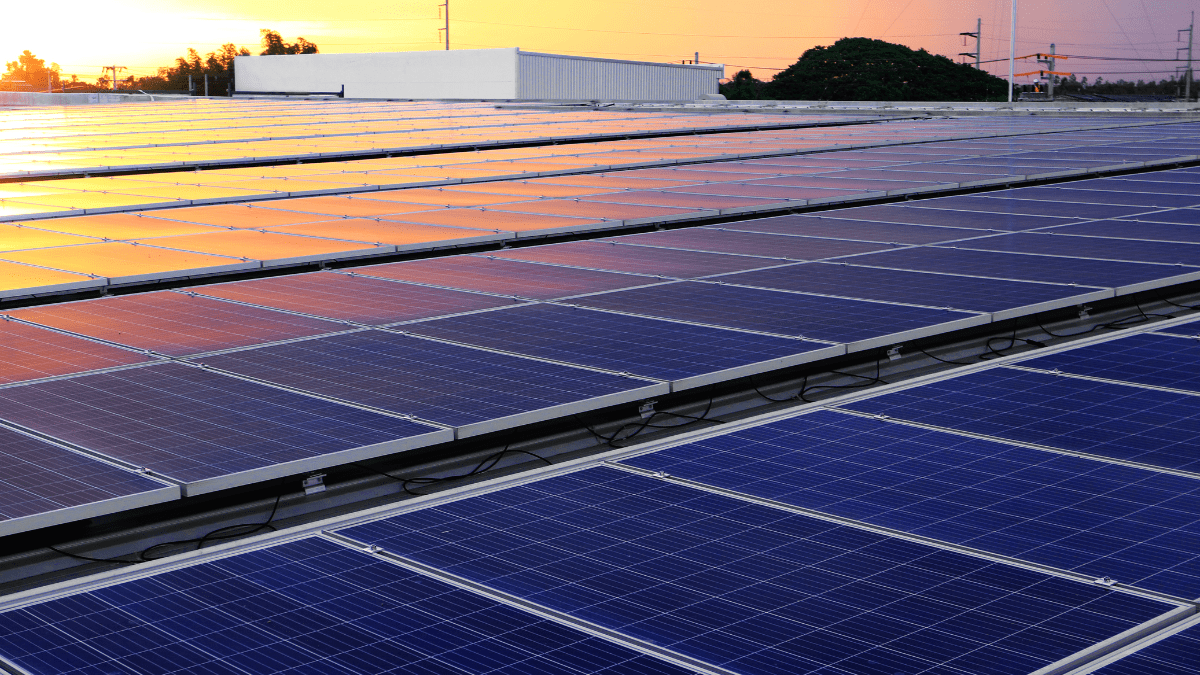
The proposed amendments specify that for the installation of solar rooftop photovoltaic systems (SRTPVS) for residential consumers, DER aggregators will be permitted to work with the Distribution Companies (DISCOMs). These aggregators will help in managing, dispatching, metering, and settling energy from various distributed energy resources like solar rooftop projects. They will also assist in vendor empanelment and system construction. Additionally, these aggregators will have to enter into commercial agreements with DISCOMs and will be compensated with an aggregator fee.
Moreover, the amendment introduces a new application fee structure based on the capacity of the solar rooftop installation. The fee for capacities up to 5 kWp will be waived, while for installations between 5 kWp and 100 kWp, the fee will be ₹1,000. Installations between 100 kWp and 1,000 kWp will attract a fee of ₹10,000, and for capacities above 1,000 kWp, the fee will be ₹25,000 per MW.
These changes reflect the growing need for enhanced regulation and structure in the solar energy sector. By supporting distributed energy resources and incentivizing solar installations, the APERC aims to make it easier for residential consumers to adopt solar power and contribute to the state’s ambitious renewable energy targets. Furthermore, the amendments align with the broader goals of the ICE Policy, which seeks to establish Andhra Pradesh as a hub for clean energy, create significant employment opportunities, and reduce carbon emissions.
The amended regulation is set to come into force as soon as it is published in the Andhra Pradesh Gazette, providing clear guidelines for the future development of solar rooftop installations in the state. This move is expected to boost the state’s clean energy capacity, attract investments, and contribute to achieving the long-term sustainability goals set by the state government.