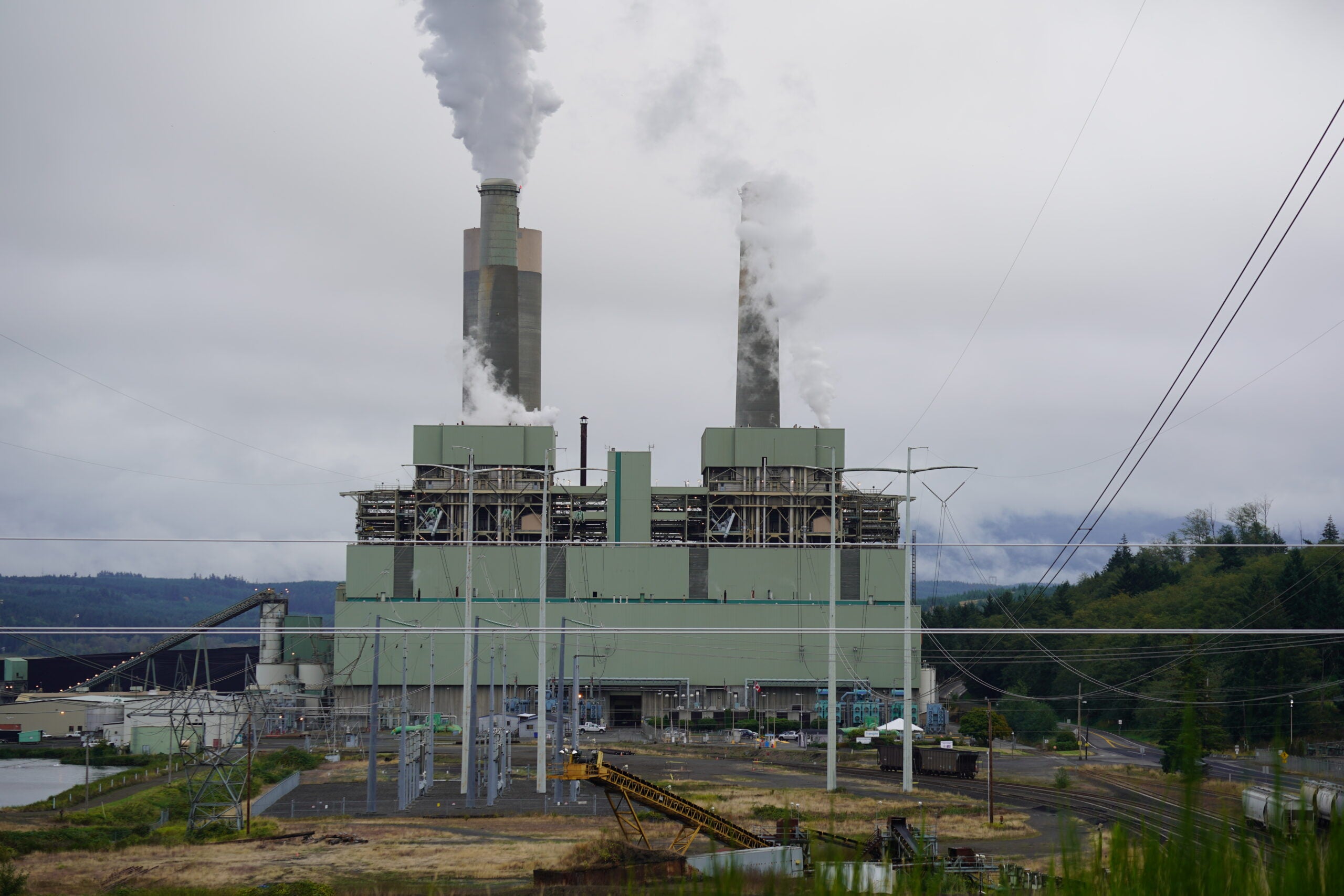
On Dec. 22, 2008, a major dike failure occurred on the north slopes of the ash pond at the Tennessee Valley Authority’s (TVA’s) Kingston Fossil Plant. The failure resulted in the release of approximately onto adjacent land and into the Emory River.
The Kingston spill is considered one of the most significant and costly events in TVA history. In a issued jointly by the U.S. Environmental Protection Agency (EPA) and the TVA in December 2014, it says the cleanup took about six years, required a total of 6.7 million man-hours, and cost $1.178 billion.
TVA hired various contractors to perform the post-spill cleanup, removal, and recovery of fly ash at the Kingston site (Figure 1). Perhaps most notable among them was Jacobs Engineering. TVA hired Jacobs in 2009 specifically to provide program management services to assist with the cleanup.

to have “a strong track record of safely managing some of the world’s most complex engineering and environmental challenges.” It has noted that TVA and the EPA’s on-scene coordinator oversaw the worker safety programs for the Kingston cleanup, approving all actions in consultation with the Tennessee Department of Environment and Conservation. Jacobs said TVA maintained rigorous safety standards throughout the cleanup, and that it worked closely with TVA in following and supporting those standards.
Jared Sullivan, author of , studied the Kingston cleanup and followed some of the plaintiffs for more than five years while writing his book. As a guest on The POWER Podcast, Sullivan suggested many of the workers felt fortunate to be employed on the Kingston cleanup. The U.S. economy was not thriving at the time; housing and stock markets were in a funk, and unemployment was relatively high.
“These workers—these 900 men and women—this disaster is kind of a godsend for them as far as their employment goes, you know. A lot of them needed work. Many of them were very, very pleased to get this call,” Sullivan explained. “The trouble is that after a year or so of working on this job site—of scooping up and hauling off this coal ash muck from the landscape, also from the river—they start feeling really, really terribly,” he said.
“At first they kind of write off their symptoms as overworking themselves. In many cases, these workers were working 14-hour shifts and just pushing themselves really, really hard because there’s a lot of overtime opportunities. So, that was good for them—that they could work so much, that this mess was so big,” Sullivan continued. But after a while, some workers started blacking out in their cars, having nosebleeds, and started coughing up black mucous, and it becomes clear to them that the coal ash is the cause.
Jacobs has reported that several contractors’ workers at the Kingston site filed workers compensation claims against their employer in 2013. These workers alleged that conditions at the site caused them to experience various health issues that were a result of excessive exposure to coal ash. Jacobs said many of these claims were found to be unsubstantiated and were rejected. Then, many of the same workers filed lawsuits against Jacobs, even though they may not have been Jacobs employees. Jacobs says it stands by its safety record, and that it did not cause any injuries to the workers.
“The case resolved early last year, after almost 10 years of litigation,” Sullivan said. “Jacobs Engineering and the plaintiffs—230 of them—finally settled the case. $77.5 million dollars for 230 plaintiffs. So, it works out to a couple hundred thousand dollars each for the plaintiffs after the lawyers take their fees—so, not tons of money.”
In a statement, Jacobs said, “To avoid further litigation, the parties chose to enter into an agreement to resolve the cases.”
“The playbook was clearly just to drag out the case as long as possible,” said Sullivan, “because eventually the plaintiffs get so desperate for money to cover their medical bills that they have to capitulate and just kind of take whatever. And that’s more or less what happened with the Kingston workers. Even though they had, in my view, very compelling evidence and facts on their side, at the end of the day, they still walked away with what, in the workers view, was not a great settlement.”
To hear the full interview with Sullivan, which contains much more about the Kingston coal ash spill, the TVA, and the lawsuit, listen to The POWER Podcast. Click on the SoundCloud player below to listen in your browser now or use the following links to reach the show page on your favorite podcast platform:
·
For more power podcasts, visit .
—Aaron Larson is POWER’s executive editor (@AaronL_Power, @POWERmagazine).