The Asian Development Bank (ADB) has approved a financing package worth $57.4 million to help Sri Lanka expand access to affordable clean energy and reduce greenhouse gas emissions. The funding will support the country’s Rooftop Solar Aggregation and Virtual Net Metering Project, which aims to promote the use of rooftop solar systems while improving access to renewable energy for a wider range of consumers.
The total cost of the project is estimated at $80.5 million. The ADB financing package includes a $35 million concessional loan, a $16.9 million grant from the European Union, and a $5.5 million grant from the Japan Fund for the Joint Crediting Mechanism. The remaining project cost will be covered through counterpart funding provided by the implementing agencies.
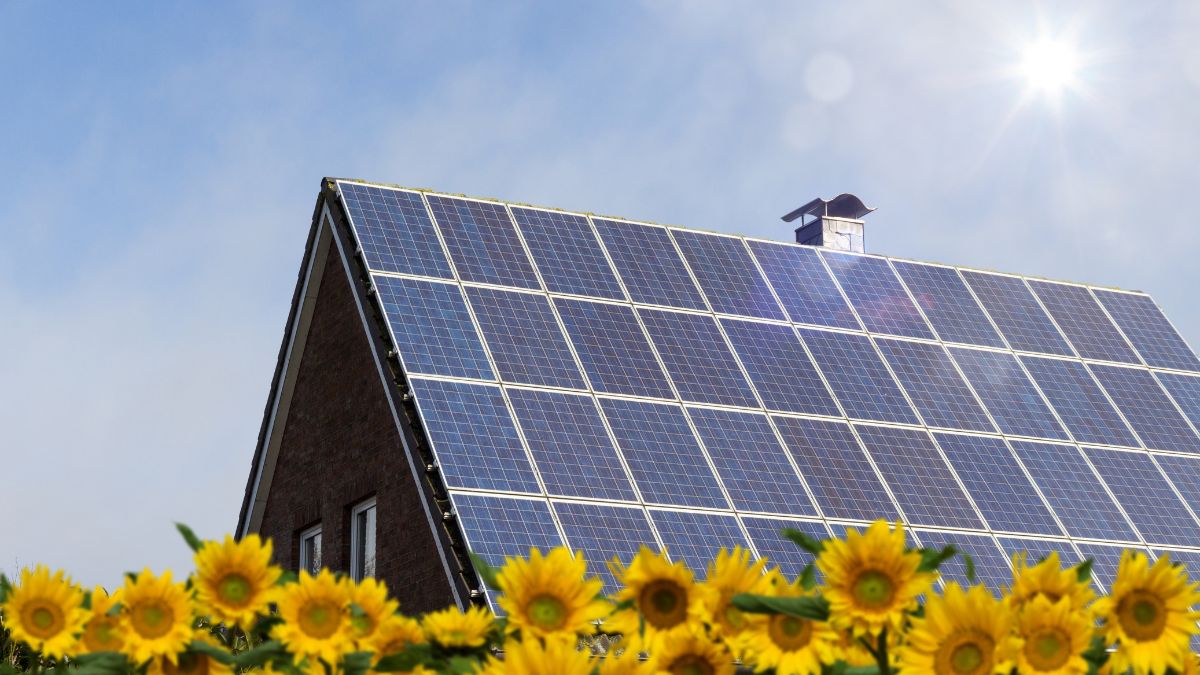
The project will be implemented by two government-owned power utilities, Electricity Distribution Lanka (Private) Limited and Lanka Electricity Company (Private) Limited. They will introduce a utility-led rooftop solar aggregation model that collects electricity generated from large rooftop solar installations and distributes the benefits through a virtual net metering system. This approach allows multiple electricity consumers to receive credits from shared solar power generation without having to install solar panels on their own buildings.
The initiative is expected to support around 25 megawatt-peak (MWp) of rooftop solar capacity. It is designed to benefit micro, small, and medium enterprises (MSMEs) and community organizations that often face financial or space limitations when installing rooftop solar systems. Through a social compensation mechanism, eligible participants will receive electricity bill benefits from the shared solar generation, helping lower their energy costs.
In addition to expanding renewable energy access, the project will modernize and digitalize the electricity distribution networks operated by both utilities. These upgrades will improve the ability of the power grid to integrate distributed renewable energy sources and enhance overall grid reliability.
The project also includes measures to strengthen workforce development in the clean energy sector. A new training facility will be established to build green skills and support the adoption of advanced low-carbon technologies. Special attention will be given to increasing women’s participation in the renewable energy industry through capacity-building initiatives and training opportunities.
ADB Country Director for Sri Lanka Shannon Cowlin said the project will improve access to affordable renewable energy while making the country’s power sector more resilient and inclusive. She added that the initiative will support small businesses, strengthen the electricity distribution system, and create new employment and skill development opportunities for women and young people in Sri Lanka’s growing clean energy sector.
Subscribe to get the latest posts sent to your email.