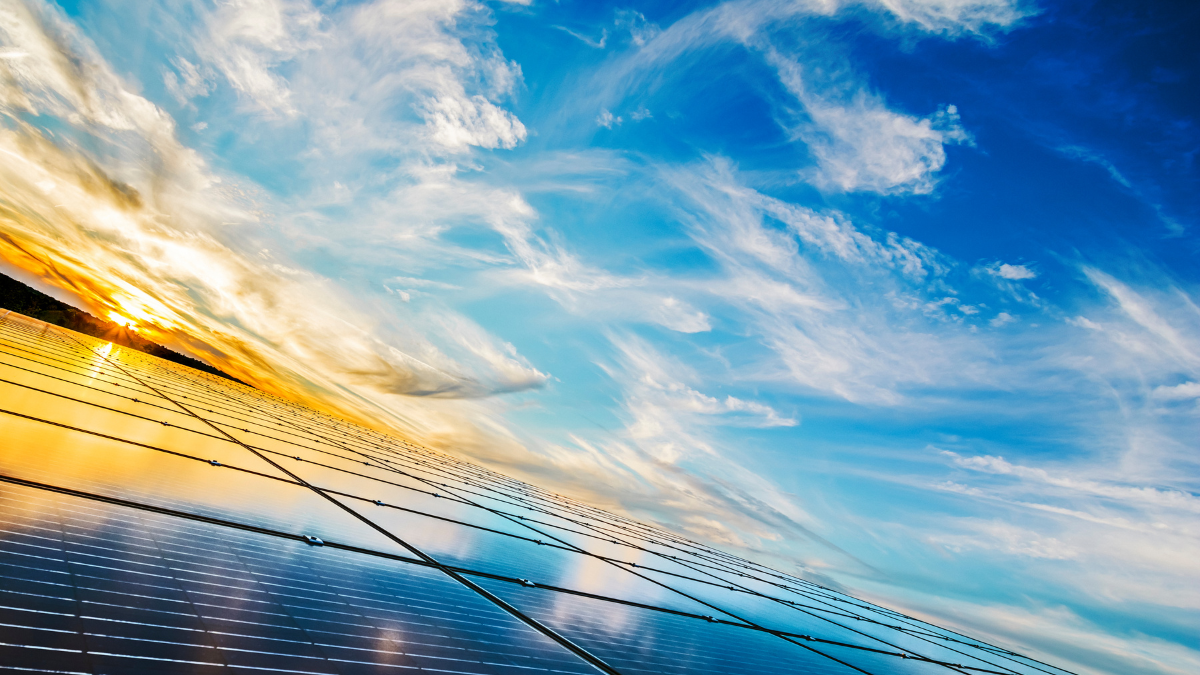
African countries are importing Chinese solar panels at record levels in 2025, marking a major shift in the continent’s energy choices. According to data from the energy think tank Ember, imports reached 1.57 gigawatts in May alone, which is almost three-quarters of the capacity of the Hoover Dam. What is striking is that this surge is not driven mainly by Africa’s largest or wealthiest economies. Instead, around 22 smaller nations doubled their imports compared to the same period last year, showing how widely demand for cheaper solar energy is spreading.
Algeria stands out with one of the most dramatic increases. In the first half of 2025, the country imported 0.76 gigawatts of solar panels, which is a staggering 6,300% jump from the previous year. This signals how fast solar energy is gaining momentum in North Africa. In Chad, imports have grown so much that they could, in theory, match the country’s entire current electricity generation capacity. These numbers highlight how solar power is beginning to fill long-standing gaps in the electricity supply across the continent.
This rise in imports comes at a time when many African nations are reassessing their energy strategies. For years, coal, natural gas, and other fossil fuels were seen as the default options for electricity generation. Now, solar energy has become not only cleaner but also more affordable. China’s low-cost manufacturing has played a major role in making solar panels accessible to developing countries. China dominates global solar module production, with an estimated share of more than 80% of the world’s total panels. This dominance has kept China a steady exporter, although earlier, most shipments went to Europe, North America, and Asia.
In Africa, two different patterns of solar adoption have emerged. North African countries such as Algeria and Egypt are focusing on large utility-scale solar farms that can supply electricity to the grid. These projects aim to reduce dependence on fossil fuels and create long-term energy security. On the other hand, sub-Saharan Africa is seeing a more community-driven trend. Many households and small communities, especially in areas far from the main grid, are importing Chinese panels for rooftops and small solar systems. For many of these users, solar energy is the first reliable source of electricity they have ever had.
A clear example of this can be seen in Kenya’s Maasai Mara region, where a small village disconnected from the national grid received a Chinese-made solar panel donated to them. The panel, smaller than a television, has already made a meaningful impact. The village leader said people are eager to use electricity even in remote areas, and the panel provides an affordable solution to their long-standing energy needs.
Despite the positive momentum, there are challenges. Several African countries are exploring the possibility of building their own solar panel manufacturing capacity to reduce dependence on imports. However, local production remains limited. Most facilities only assemble imported solar cells into panels, which adds little value to the overall supply chain. Until domestic manufacturing becomes competitive, many experts believe that affordable Chinese imports will continue to be the most practical option.
Overall, the rapid rise in Chinese solar panel imports signals a turning point in Africa’s energy story. As countries across the continent work to close the electricity access gap, solar energy is emerging as a practical, clean, and increasingly affordable choice for millions of people.
Subscribe to get the latest posts sent to your email.