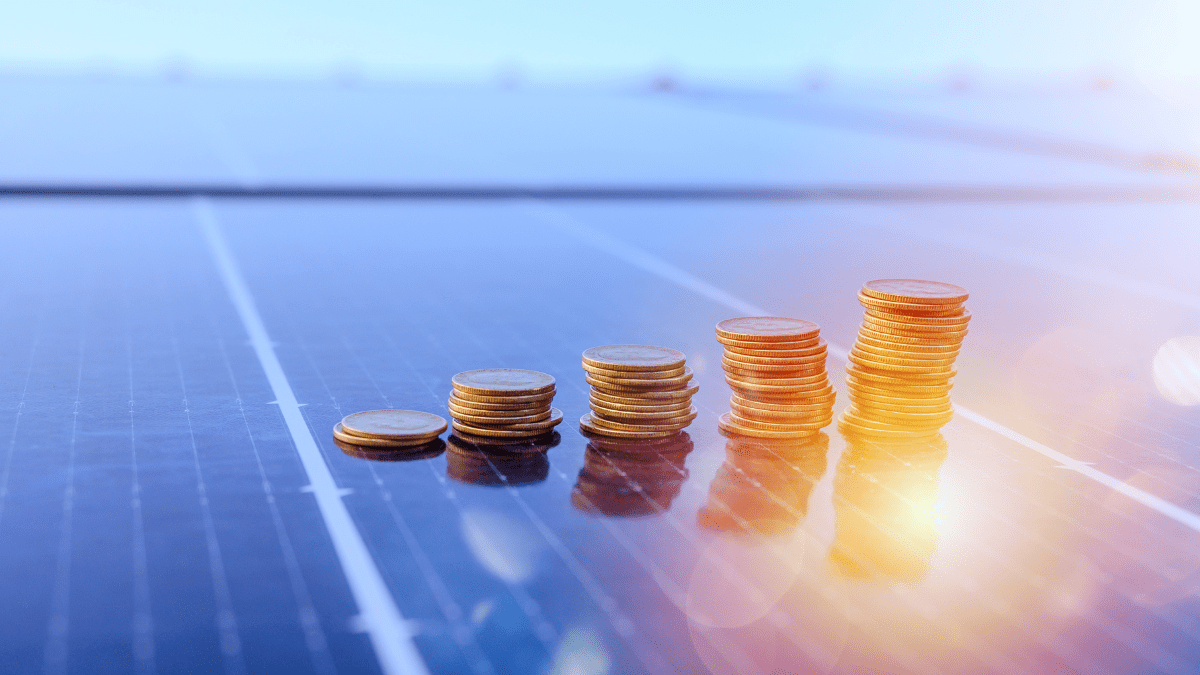
Africa is witnessing a major transformation in its energy sector as investments in renewable energy continue to grow at a rapid pace. The shift reflects a broader move toward cleaner and more sustainable sources of power across the continent. According to Standard Bank Group, renewable energy financing in 2025 significantly exceeded funding for non-renewable energy projects, highlighting a clear change in investment priorities.
Several factors are driving this transition. Governments across Africa are introducing policies that support clean energy development, while the cost of renewable technologies such as solar panels and wind turbines continues to decline. At the same time, investors are increasingly focusing on sustainable projects due to growing climate concerns and long-term economic opportunities.
A key reason behind the renewable energy push is the need to improve electricity access. Nearly 600 million people in Africa still lack reliable electricity, making energy development an important social and economic priority. Expanding clean energy infrastructure is expected to improve living standards, support businesses, and create new opportunities for economic growth.
Solar power, wind energy, and hybrid systems combined with battery storage are playing a leading role in the continent’s energy transition. Standard Bank has supported several large-scale projects aimed at increasing clean energy capacity. Among them are the 506-megawatt Khauta solar projects in South Africa’s Free State province, which will provide electricity to corporate customers through wheeling arrangements. The bank has also financed Seriti Green’s 465-megawatt Ummbila Emoyeni wind portfolio and Red Rocket’s 400-megawatt Overberg Wind Farm, both of which are expected to supply renewable power to industrial users.
Industry experts believe that the transition is changing how capital is allocated across Africa. Renewable energy is no longer viewed as a niche sector but as a major investment destination. However, they emphasize that generating electricity alone is not enough. Significant investment is also needed in transmission networks, grid infrastructure, energy storage systems, and off-grid solutions to ensure reliable power supply.
Despite strong momentum, challenges remain. Many countries continue to face regulatory barriers, financing difficulties, and infrastructure limitations that can slow project development. Addressing these issues will require stronger cooperation between governments, financial institutions, and private-sector companies.
The growing renewable energy sector is expected to generate employment, strengthen local industries, and support the development of regional value chains. As investment continues to increase, Africa is positioning itself to build a more resilient, inclusive, and sustainable energy future while supporting economic development across the continent.
Subscribe to get the latest posts sent to your email.