

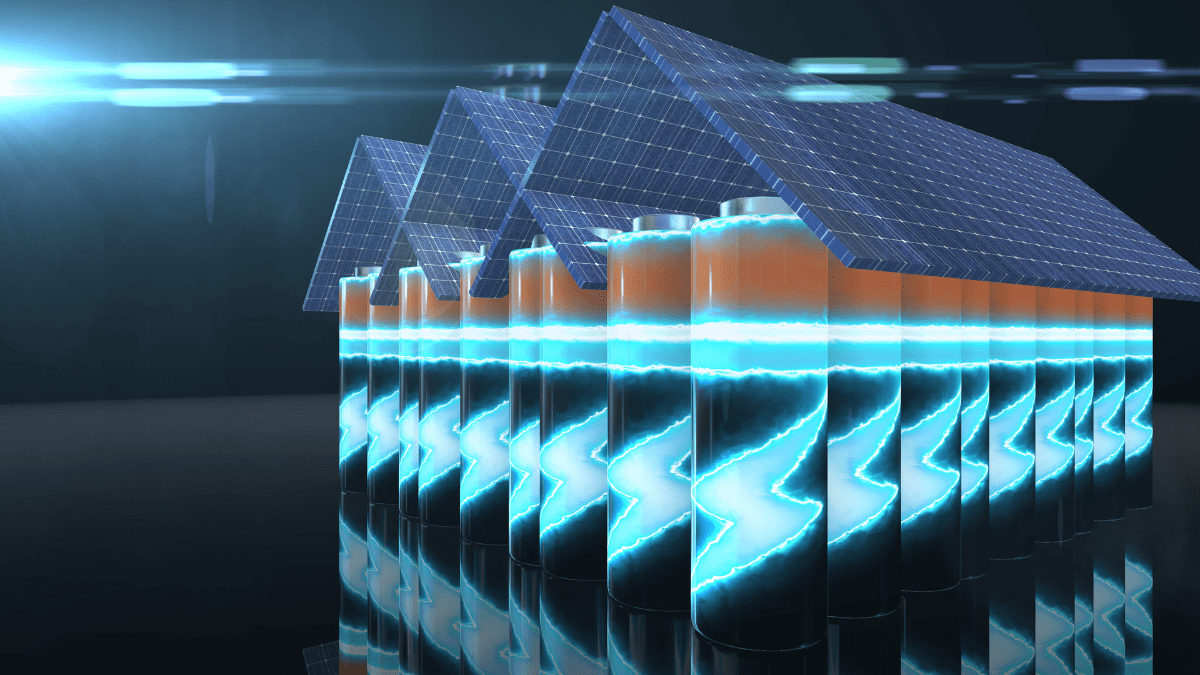
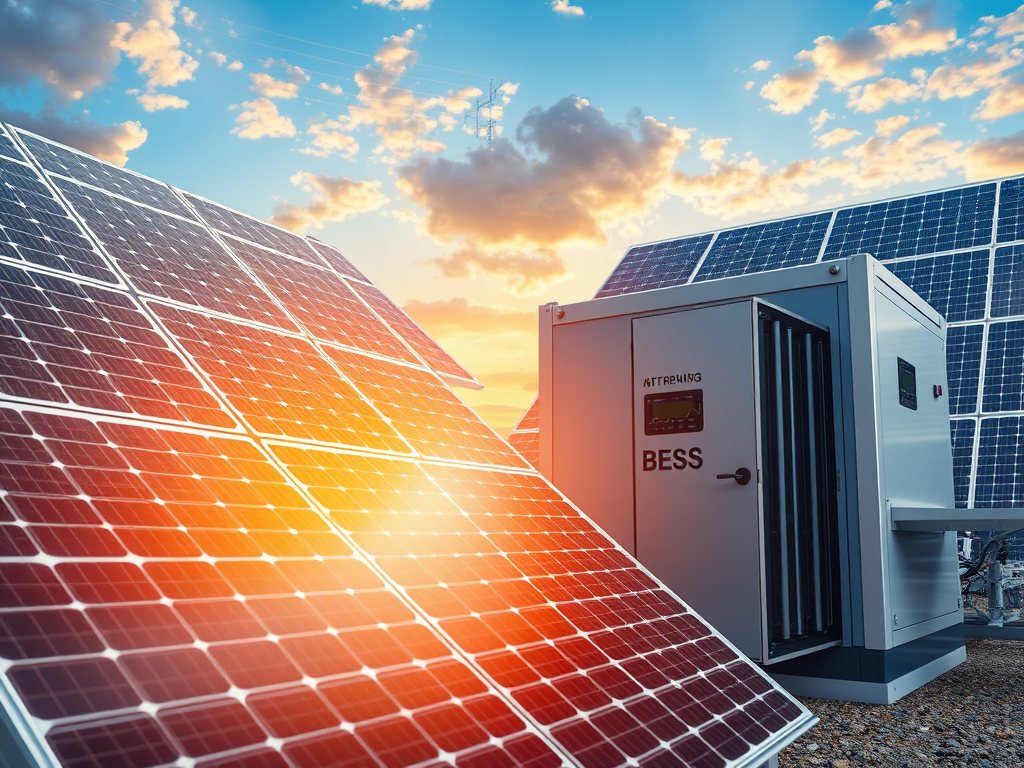
Saudi Arabia–based energy firm Al-Gihaz Holding has announced plans to develop a large renewable energy project in Syria, in what is being seen as a major boost for the country’s struggling power sector. The project will combine a 210-megawatt solar power plant with an 827-megawatt-hour battery energy storage system, making it one of the most significant clean energy developments planned in the region.
The facility will be built in Adra Industrial City, located near the capital, Damascus. The site is considered strategic because it serves as an important manufacturing hub. Industries operating in the area require a stable and reliable electricity supply to continue production. Frequent outages and fuel shortages in recent years have disrupted business activities, affecting economic recovery.
By combining solar generation with large-scale battery storage, the project aims to address one of the main challenges of renewable energy: intermittency. Solar power generation depends on sunlight and naturally drops at night or during cloudy weather. The integrated battery system will store excess electricity generated during the day and release it when needed. This will allow the plant to supply power even after sunset or during low-sunlight periods, helping maintain a more stable flow of electricity to the grid.
Syria has faced years of severe energy shortages due to damaged infrastructure and limited fuel availability. Blackouts have become common across many parts of the country, impacting households, businesses, and essential services. In response, the government has been encouraging private and foreign investment in renewable energy projects as part of efforts to rebuild and modernize the national grid. Reducing dependence on traditional fossil fuels is also seen as a long-term goal.
The partnership with Al-Gihaz Holding represents a notable injection of foreign investment into Syria’s renewable energy sector. Although detailed timelines and total project costs have not yet been disclosed, the scale of the battery component alone makes the project one of the largest planned solar-plus-storage facilities in the Middle East.
If implemented successfully, the 210-megawatt solar and 827-megawatt-hour storage project could serve as a model for similar developments in the region. It reflects a growing trend of pairing renewable energy with advanced storage technology to improve grid stability and reliability. For Syria, the project offers hope for a more stable power supply and a gradual shift toward a cleaner and more sustainable energy .
Subscribe to get the latest posts sent to your email.








%20And%20Policy%20Deadlines)