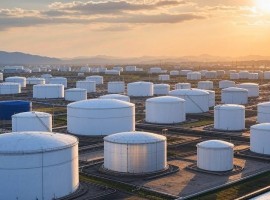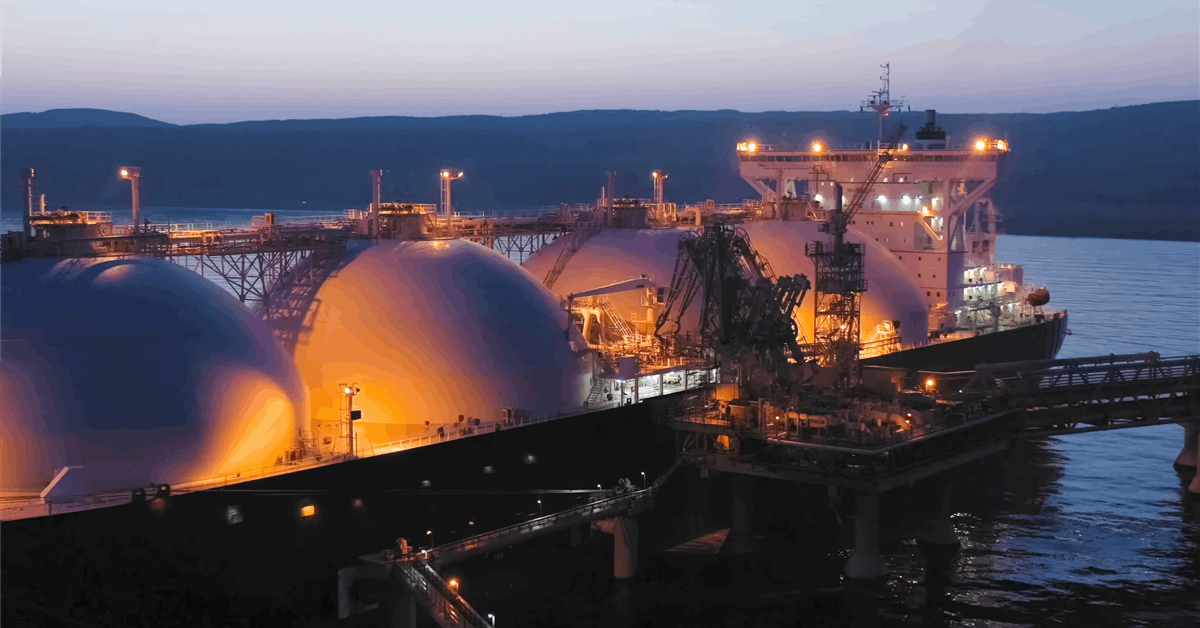
The Cabinda oil refinery in Angola, the first that was built in the country since it gained independence from Portugal 50 years ago, has started shipping fuels to the domestic and international markets, in a relief to the fuel supply stress due to the Iran war.
Prior to Cabina, Angola had only one other refinery, which is located in the capital city of Luanda and is operated by state-owned oil firm Sonangol.
The Cabinda refinery has the capacity to process 30,000 barrels per day (bpd) of crude and already ships diesel to the domestic market in Angola and naphtha and heavy fuel oil to international buyers, according to investment firm Gemcorp Capital, which owns 90% of the new refinery.
“The very core of the investment thesis for this refinery was energy security for Angola,” Gemcorp’s founder and CEO, Atanas Bostandjiev, told Bloomberg in an interview published on Thursday.
“Fast forward this to what we’re seeing geopolitically — with the crisis in the Middle East — that whole thesis now got validated,” Bostandjiev added.
Set OilPrice.com as a preferred source in Google .
Cabinda has relatively low capacity—at 30,000 bpd it’s a fraction of Africa’s biggest refinery, the 650,000-bpd Dangote facility in Nigeria.
Still, the Cabinda refinery’s current output could meet one tenth of Angola’s demand, potentially easing the dependence on imported fuels, especially during the ongoing Middle East crisis.
The 30,000 bpd refinery cost $470 million to build, and a potential second phase to double the capacity to 60,000 bpd could cost about $700 million, according to Gemcorp’s estimates.
The investment firm targets a final investment decision on the proposed expansion by the end of this year.
Africa has long been exporting crude while importing fuels, due to insufficient refining capacity. This is now starting to change in the two biggest producers, Nigeria and Angola, where the newbuild refineries Dangote and Cabinda, respectively, are easing the dependence on fuel imports.
By Tsvetana Paraskova for Oilprice.com
More Top Reads From Oilprice.com
- Average U.S. Gasoline Price Tops $4.50 to Near Four-Year High
- Oil Prices Waver as Market Weighs Chances of U.S.-Iran Deal
- EU Imports of Yamal Gas Hit Record Ahead of Ban on Russian LNG