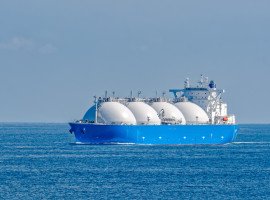
Asia’s refiners are back to buying Middle Eastern oil as flows through the Strait of Hormuz rise, freight rates ease from record highs, and Gulf producers are offering their crude at discounts to regional benchmarks.
Chinese, Japanese, and Thai oil refiners are increasingly preferring cargoes from the Middle East in recent weeks, even those that need to transit the Strait of Hormuz, traders with knowledge of the matter told Bloomberg on Friday.
Refiners in the world’s top crude oil-importing region are buying greater volumes from Saudi Arabia, the United Arab Emirates (UAE), and Qatar, according to Bloomberg’s anonymous sources.
In October, Asia’s imports of crude oil via the Strait of Hormuz jumped to over 7.4 million barrels per day (bpd), up from just 1.6 million bpd in April, tanker-tracking data cited by Reuters showed early this month.
This helped boost total Asian crude oil imports to pre-war levels from February.
The significant increase in Middle Eastern flows since August has weighed on physical prices of the Gulf region’s crudes, attracting more buyers in Asia despite the high risks.
Middle Eastern benchmarks have been weakening for weeks, suggesting an oil glut may be building amid rebounding Persian Gulf exports and global demand destruction amid high prices.
Middle Eastern producers are forced to slash their official selling prices to win customers because the surge in Persian Gulf exports is weakening the physical prices of local grades. Moreover, amid high freight costs, the Middle East’s crude oil could only win Asia’s price-sensitive buyers with lower prices.
One of the best examples of soaring Middle Eastern flows to Asia is in India, the world’s third-largest crude oil importer.
India’s crude imports through the Strait of Hormuz are estimated at 2.1 million barrels per day (bpd) so far in November, exceeding the 1.8 million bpd imported from Russia, according to Kpler data cited by Bloomberg.
By Tsvetana Paraskova for Oilprice.com
More Top Reads From Oilprice.com
- India Seeks Private Investors for $910 Million Oil Reserve
- $7 Billion in Oil Debt Has Nigerian Banks Holding Back Lending
- Fusion’s Next Race Is Over Superconducting Tape, Not Plasma