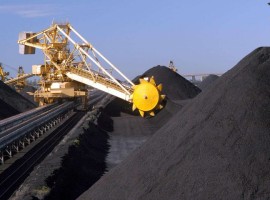
Spiking LNG prices and reduced supply from the Middle East have prompted Japan and South Korea to raise coal power generation and coal imports in recent weeks.
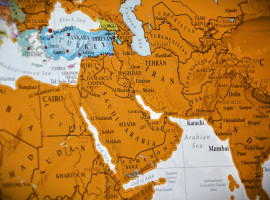
Gas-fired power generation in Japan and South Korea, the world’s second- and third-largest LNG importers after China, slumped to multi-month lows in April and early May. That’s because supply from the Middle East crashed with no Qatari shipment passing through the Strait of Hormuz between February 28 and this past weekend, when the first cargo cleared the chokepoint bound for Pakistan.
LNG prices in north Asia have spiked by more than 60% since the war began, while international seaborne coal prices have increased by a much more modest 13%, according to market data cited by Reuters.
As a result of the LNG supply shock, both Japan and South Korea have ramped up coal-fired power generation. In Japan, coal power generation rose by 11.1% in April, the biggest increase in a year, while gas power output slumped by 13%, official Japanese data showed.
In South Korea, the coal surge was even more pronounced, with April coal-fired power supply soaring by 40%, the biggest jump since August 2019, data quoted by Reuters showed.
With LNG supplies under strain and much more expensive than before the war began, both South Korea and Japan are boosting significantly coal imports, to offset gas supply losses and to benefit from the smaller rise in coal prices compared to the LNG prices.
The war and the closed Strait of Hormuz haven’t impacted the global coal supply chains but have prompted increased coal shipments amid soaring demand to replace part of the gas volumes trapped in the Middle East.
Global coal shipments and imports surged in March and April as buyers scrambled for fuel amid massively disrupted oil and gas supply from the Middle East.
Last month’s coal shipments to South Korea, Japan, and the European Union surged by 27% from a year earlier, data from BIMCO, the world’s biggest shipowners’ association, showed last week.
By Charles Kennedy for Oilprice.com
More Top Reads From Oilprice.com
- Morgan Stanley: Oil Buffers Could Run Out Before Hormuz Reopens
- Japan Receives First Central Asian Crude Since Iran War Began
- Australia’s Biggest Untapped Gas Field Just Got a Lot More Expensive