By
10 min ago 2 min read
Swiss renewable energy firm Axpo has completed its first ship-to-ship liquid biomethane (bio-LNG) operation in the Port of Barcelona, Spain.
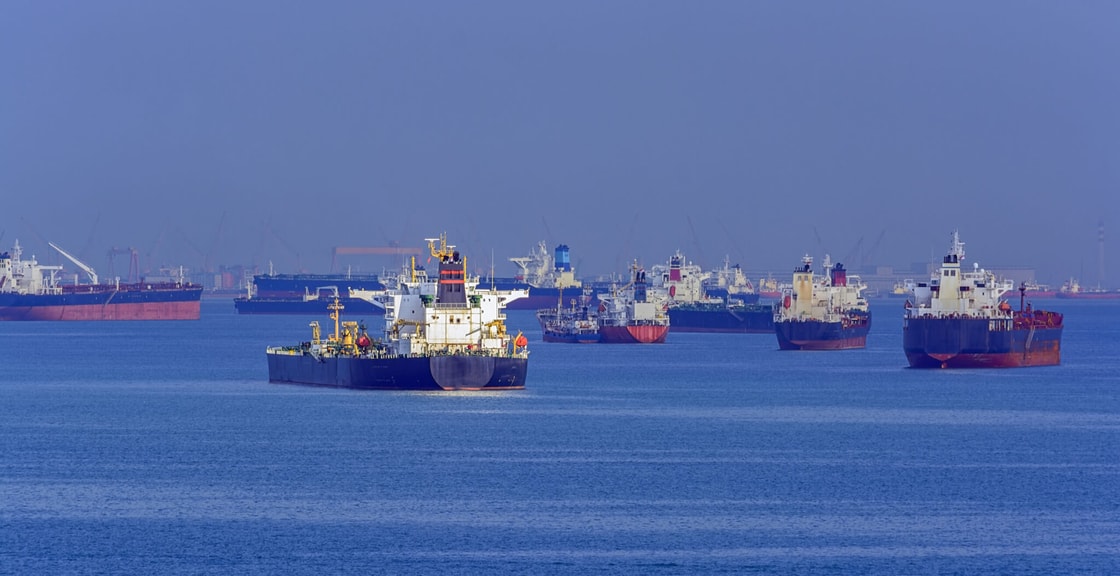
Japan-based energy transport company Mitsui OSK Lines (MOL) fuelled its vehicle carrier using bio-LNG from Axpo’s 7,500m³ small-scale bunkering vessel, supporting low-carbon fuel integration in Mediterranean maritime infrastructure.
This builds on Axpo’s existing western European supply partnership with MOL, expanding bio-LNG distribution in the Mediterranean from bunkering sites in Málaga and Barcelona.
The operation marks Axpo’s third successful bio-LNG operation in a major Spanish port, with a license to operate in the Port of Valencia.
Daniele Corti, Head of Small-Scale LNG at Axpo, said, “We’re proving that alternative marine fuels can be operationally reliable [and] a critical stepping stone in the maritime industry’s transition to a lower-carbon future.”
Research and consultancy firm Wood Mackenzie expects bio-LNG demand from the shipping industry to exceed half of Europe’s biomethane production capacity by 2050.
Set to begin in 2027, the International Maritime Organisation (IMO) has approved a fuel standard and pricing mechanism for greenhouse gas emissions to reach its net-zero emission goal set for around 2050.
The World Biogas Association (WBA) recently reported global biomethane production will need to reach six to 12 billion cubic metres (bcm) by 2030 and 20bcm to 40bcm by 2035 to meet stringent IMO and FuelEU standards.
Bio-LNG is produced primarily from renewable biomass, offering a lower-carbon fuel for maritime operations.