By
56 min ago 2 min read
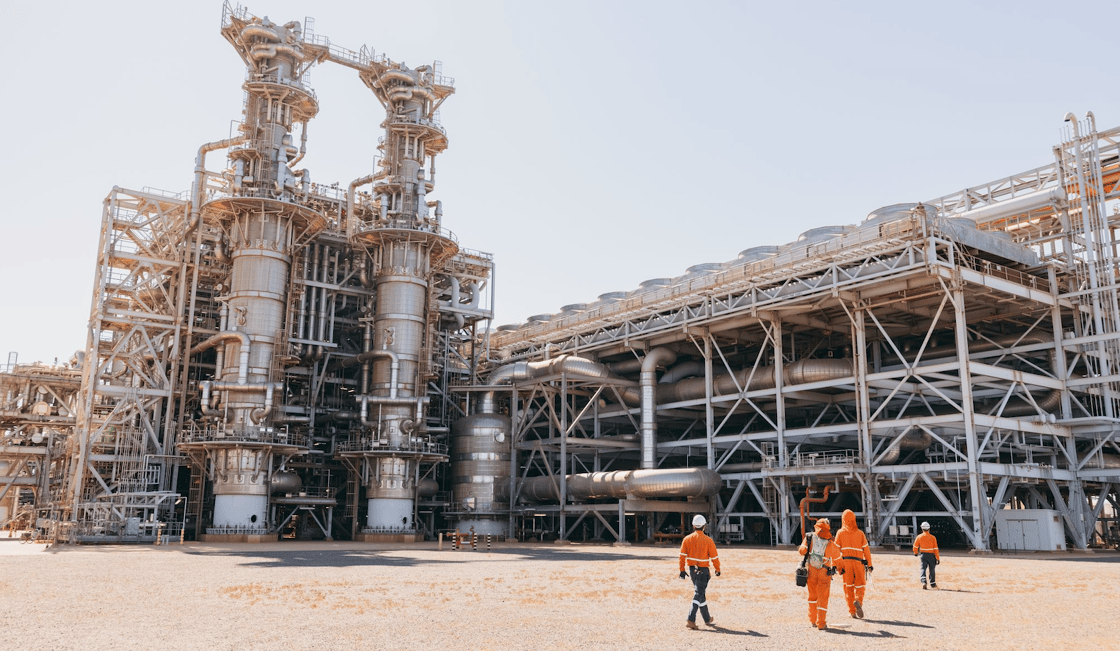
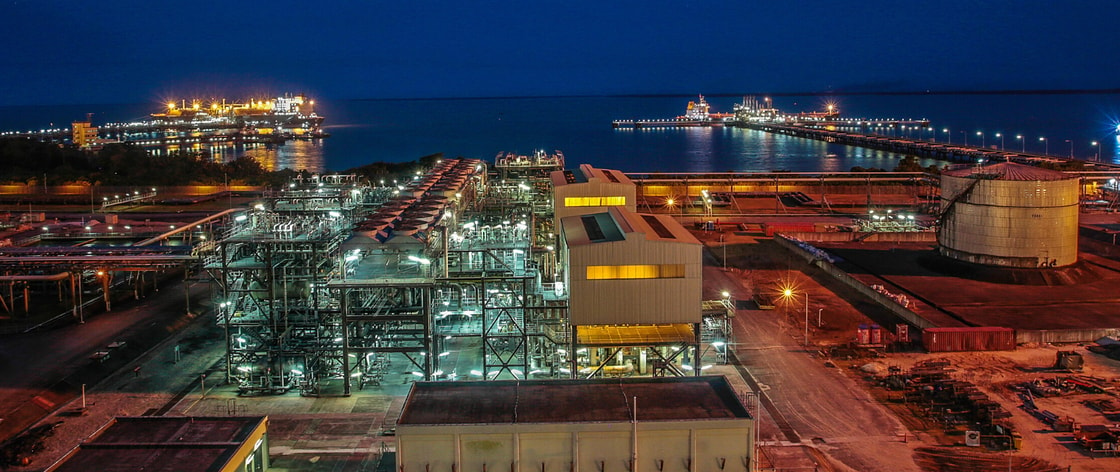
Energy technology company Baker Hughes has entered into a 13-year service agreement with Nigeria LNG (NLNG) covering services for turbomachinery equipment at its liquefaction plant in Bonny Island.
The deal extends a 20-year collaboration with NLNG and will support the operational performance of the new Train 7 project – due to complete in 2027 – which is set to increase the facility’s total LNG production capacity from 22 to 30 million tonnes per annum.
The scope covers comprehensive services for Baker Hughes’ equipment awarded in 2021 – four heavy duty gas turbines and associated centrifugal compressors, and two additional gas turbines for power generation – and includes support of a local Baker Hughes engineering team and iCenter digital services, for remote monitoring and diagnostics to enhance equipment reliability and availability.
Adeleye Falade, NLNG Managing Director and CEO, said utilising Baker Hughes’ lifecycle services and digital expertise will help support the successful long-term operation of its Train 7 project, which will boost output by 35%.
“As we expand our production capacity, we are strengthening Nigeria’s role as a competitive global energy supplier … and supporting a practical energy transition through the delivery of lower-carbon energy solutions,” he said.
Maria Claudia Borras, Baker Hughes’ Chief Growth & Experience Officer and interim Executive Vice-President of Industrial & Energy Technology, said its advanced lifecycle services and regional expertise can help NLNG ensure efficient and reliable operations at its Bonny Island facility, while bolstering energy reliability as Nigeria continues to harness its proven gas reserves to meet growing global energy demands.
Nigeria’s LNG sector faces a range of challenges including gas supply shortages, security risks, funding and expansion constraints, geopolitical and market risks, and environmental and sustainability concerns. But the country already accounts for over one-third of Africa’s total LNG output and is expected to remain the continent’s dominant player.
The UAE and Nigeria signalled their intentions to collaborate in developing the west African country’s LNG sector, among other areas, .