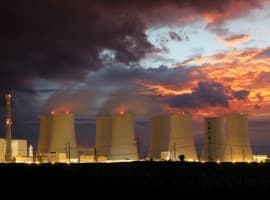
Belarus disconnected the second unit of its Astravets nuclear power plant on July 17 after a control system detected a deviation in the reactor’s auxiliary cooling system. The Energy Ministry stated the alarm was triggered outside the reactor core and described the event as routine, with no threat to safety or radiation levels, according to Reuters.
Russia’s Sputnik Belarus reported the incident in Russian-language coverage, citing official statements that the automated sensor triggered the shutdown and that operations would resume once diagnostic checks are complete.
Neighboring Lithuania has been vocal in expressing concern. The Baltic country remains wary of Astravets given its proximity and past operational hesitations. Lithuanian public broadcaster LRT noted Vilnius has previously pushed the EU for deeper regulatory inspections after earlier malfunctions.
The Warsaw-based Centre for Eastern Studies has suggested that Belarus is doubling down on nuclear energy as a strategic solution to energy dependency, despite “unresolved safety audit gaps”.
Belarus and Rosatom continue to defend the plant’s safety record, calling the recent shutdown proof that control systems are functioning as designed, Reuters reported. Still, energy analysts warn that repeated automatic disconnections highlight reliability concerns that could complicate Belarus’s long-term energy strategy and its precarious regional standing.
Belarus’s reliance on nuclear power is now central to its bid for energy independence. Nuclear generation jumped from nearly zero in 2020 to about 6.7% of total energy supply by 2023, with nuclear accounting for over one-third of electricity generation (around 36% in 2024). This shift reduces dependency on Russian gas, which still fuels roughly 56% of energy needs.
By Michael Kern for Oilprice.com
More Top Reads From Oilprice.com:
- Saudi Arabia’s Production Increase Sparks Credibility Concerns
- India’s GAIL in Early Talks for Long-Term Purchase From Alaska LNG
- India Rethinks Its Oil Strategy as Russian Discounts Dwindle