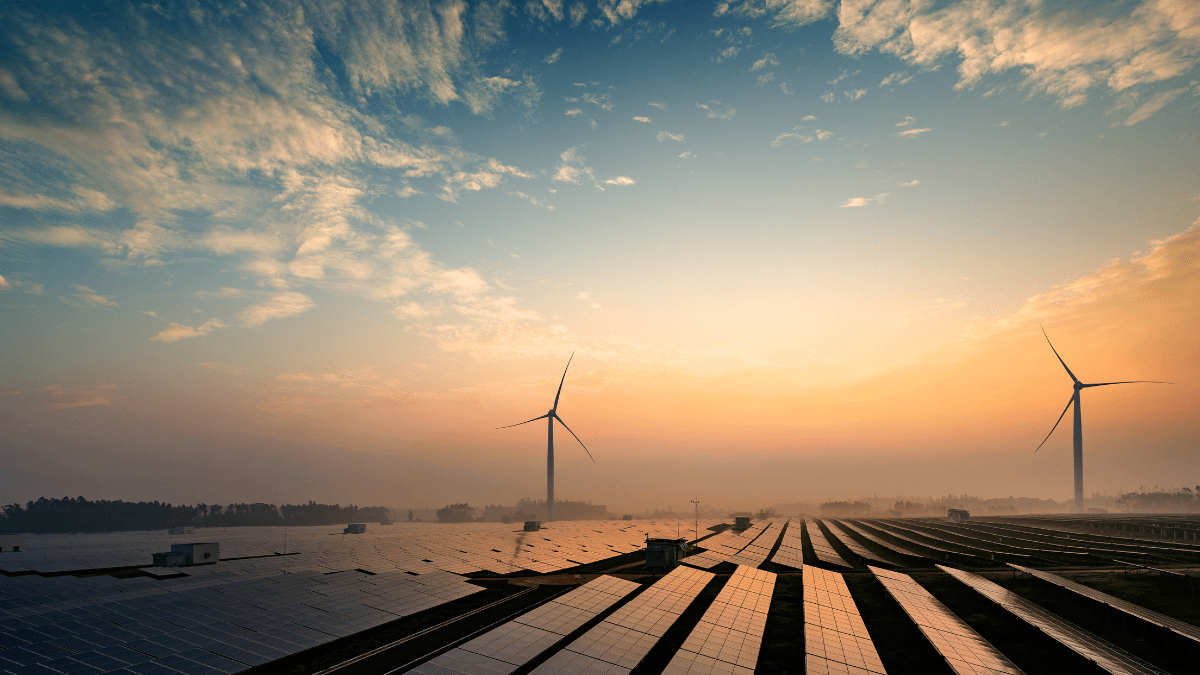
The Bihar Renewable Energy Policy 2025 outlines the state government’s comprehensive strategy to promote the use of renewable energy (RE) and energy storage technologies to align with India’s national climate goals and the target of achieving Net Zero by 2070. The policy sets an ambitious target to harness 23,968 MW of renewable energy and 6,100 MWh of energy storage capacity by the end of FY 2029-30. It includes a wide range of renewable technologies such as solar, wind, hydro, biomass, waste-to-energy, green hydrogen, and geothermal energy. The Bihar Renewable Energy Development Agency (BREDA) is designated as the nodal agency for most RE technologies, while specific agencies are assigned for hydro and pumped storage projects.
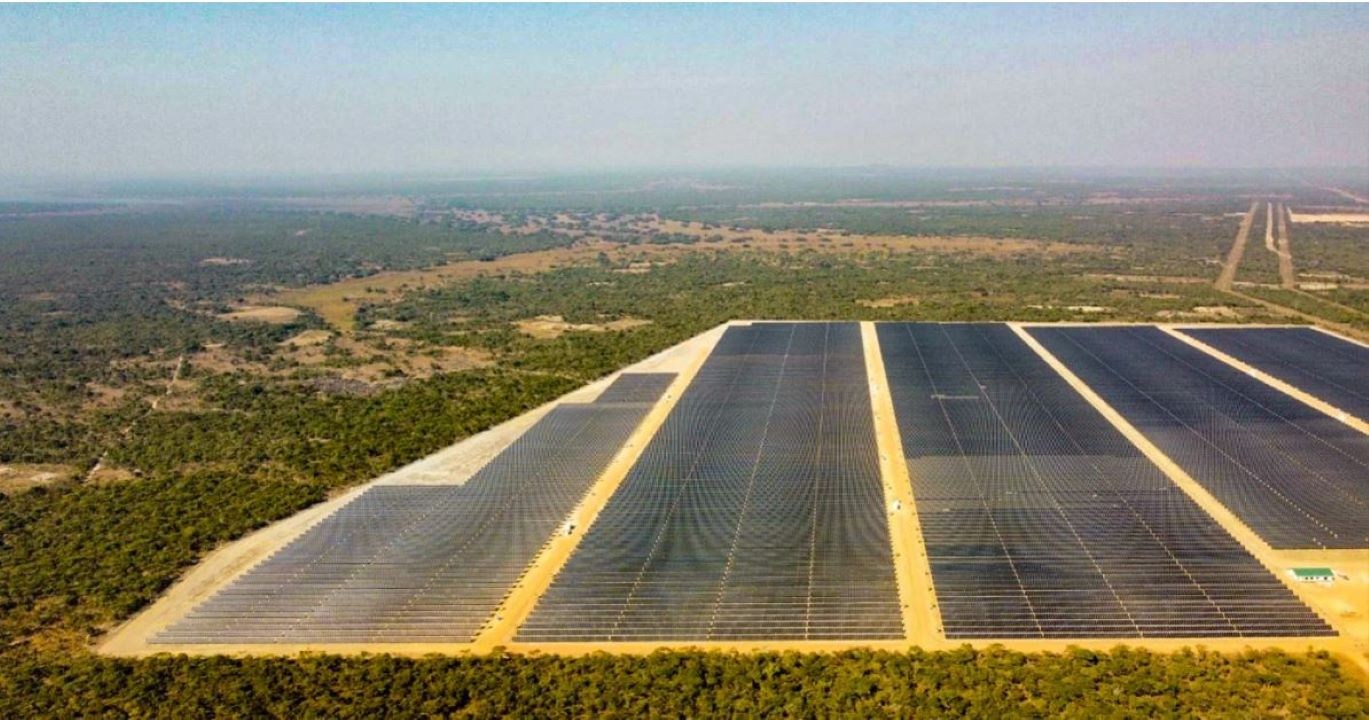
The policy promotes different project categories, including utility-scale RE, distributed RE, off-grid RE, and energy storage. For instance, rooftop solar plants, floating solar, canal-top solar, and agrivoltaics are encouraged across urban and rural areas. Agri-voltaic initiatives aim to enhance farmers’ income by combining solar energy production with agricultural activities. Additionally, mini and microgrids are proposed in regions with poor electricity access, and livelihood-oriented applications such as solar dryers and cold storage are to be promoted under distributed renewable energy schemes.
Several fiscal incentives are outlined in the policy to attract investors and developers. These include 100% exemption on electricity duty, SGST, land conversion fees, stamp duty, and transmission and wheeling charges for specific periods. Banking of 100% RE generation, deemed open access clearance within 30 days, and a provision for minimum generation compensation are also provided to protect developers’ interests. BREDA will facilitate a single-window system for all approvals to simplify the implementation process.
The policy also emphasizes the development of solar-based EV charging stations, offering land at concessional rates and benefits such as exemption from transmission charges for 25 years. Manufacturing capacity for RE equipment is supported through incentives like SGST reimbursement, custom duty exemptions, and prioritized land allotment. A strong focus is placed on research and innovation with dedicated funds, partnerships with institutions, and the formation of a Bihar R&D and Innovation Committee.
To support financing and policy implementation, the state will establish the Bihar Renewable Energy Development Fund (BRDF), which will pool resources from central and state schemes, penalties, CSR contributions, and other sources. This fund will support infrastructure development, skill training, R&D, and incentives. Provisions are made for ensuring proper transmission infrastructure, mandatory use of RE in large buildings, and the promotion of carbon credits and REC mechanisms. BREDA will also set up district-level Akshay Urja Kendras to raise awareness and provide technical support at the grassroots level. The policy is valid for five years or until a new policy is introduced and will be reviewed periodically to address technological or regulatory changes.