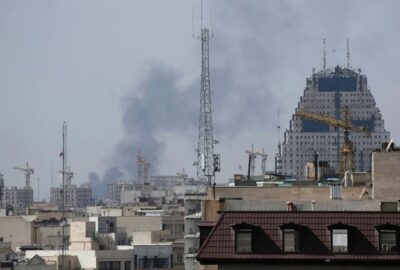
- Israel hits Tehran again after killing Khamenei
- Missiles hit 3 tankers off Gulf coast
- Hundreds of ships drop anchor in Middle East Gulf, data shows
SINGAPORE, March 2 (Reuters) – Oil prices jumped 7% to their highest levels in months on Monday as Iran and Israel stepped up attacks in the Middle East, damaging tankers and disrupting shipments from the key producing region.
Brent crude futures shot up to $82.37, the highest since January 2025, in the first futures trading after the U.S. and Israel launched strikes on Iran and killed its Supreme Leader Ali Khamenei on Saturday. As of 0054 GMT, Brent futures were at $78.24 a barrel, up $5.37, or 7.37%.
Get the Latest US Focused Energy News Delivered to You! It’s FREE:
U.S. West Texas Intermediate crude rose $4.66, or 6.95%, to $71.68 a barrel after touching $75.33 earlier, the loftiest since June 2025.
Israel launched a new wave of strikes on Tehran on Sunday and Iran responded with more missile barrages, a day after the killing of Supreme Leader Ali Khamenei pitched the Middle East and the global economy into deepening uncertainty.
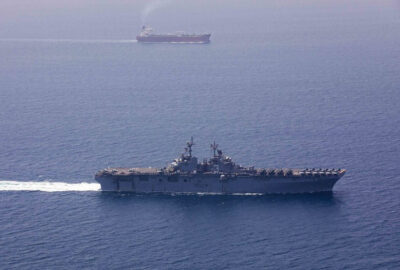
The attacks exposed ships to collateral damage as missiles hit at least three tankers off the Gulf coast and killed one seafarer, shipping sources and officials said on Sunday.
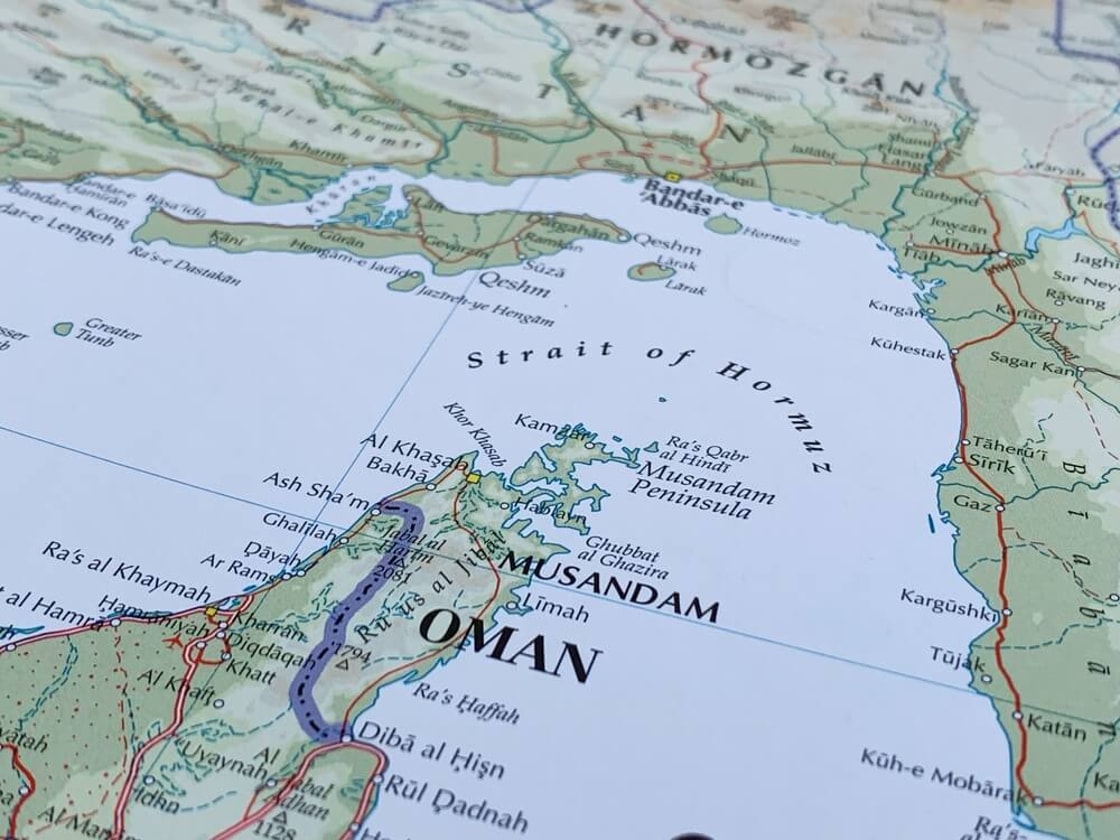
Iran has said it has closed navigation through the Strait of Hormuz, prompting Asian governments and refiners – key buyers – to assess oil stockpiles.
“With the retaliatory action now evolving to attacks on oil tankers in the Strait of Hormuz, the threat on oil supplies has substantially risen,” ANZ analyst Daniel Hynes said in a note.
Citi analysts expect Brent to trade between $80 and $90 a barrel this week amid the ongoing conflict.
“Our baseline view is that the Iranian leadership changes, or that the regime changes sufficiently as to stop the war within 1-2 weeks, or the U.S. decides to de-escalate having seen a change in leadership and set back Iran’s missiles and nuclear program over the same time frame,” the analysts led by Max Layton said in a note.
Amid the conflict, OPEC+ agreed to a modest oil output boost of 206,000 barrels per day for April on Sunday.
Every OPEC+ producer is essentially producing at capacity except for Saudi Arabia, RBC Capital analyst Helima Croft said.
“The utilization of any spare barrels will be severely limited if critical waterways are rendered inoperable,” she said.
Risks to commercial shipping have surged in the past 24 hours, with more than 200 vessels including oil and liquefied gas tankers dropping anchor around the strait and surrounding waters, shipping data showed on Sunday.
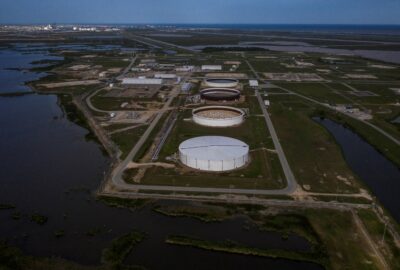
The International Energy Agency is actively monitoring events in the Middle East and is in touch with major producers in the region and IEA governments, director Fatih Birol said on Sunday. The energy watchdog coordinates the release of strategic petroleum reserves (SPR) from developed countries during emergencies.
“Global total visible oil inventories stand at 7.827 million barrels now, near their historical median when expressed as covering 74 days of global demand,” Goldman Sachs analysts led by Daan Struyven said in a note.
“The oil market could draw inventories, deploy spare capacity once the Strait reopens, and potentially benefit from global SPR releases,” they added.
Reporting by Florence Tan; Editing by Sonali Paul
Share This:
More News Articles