The Bruce Power site in Ontario was home to Canada’s first commercial reactor, Douglas Point, which operated from 1967 to 1984, and its current fleet of eight Candu pressurised heavy water reactors are being refurbished to operate for several decades to come. Bruce Power is also exploring the option for a Bruce C project and up to 4,800 MW of new nuclear on its site. The proposed Bruce C Project is the first new nuclear development in Canada to enter the federal Impact Assessment process. Fifteen years ago, Bruce Power undertook extensive feasibility studies to evaluate options for new nuclear development in Alberta, work that helped shape its current approach to long‑range planning, regulatory readiness, and community and Indigenous engagement.
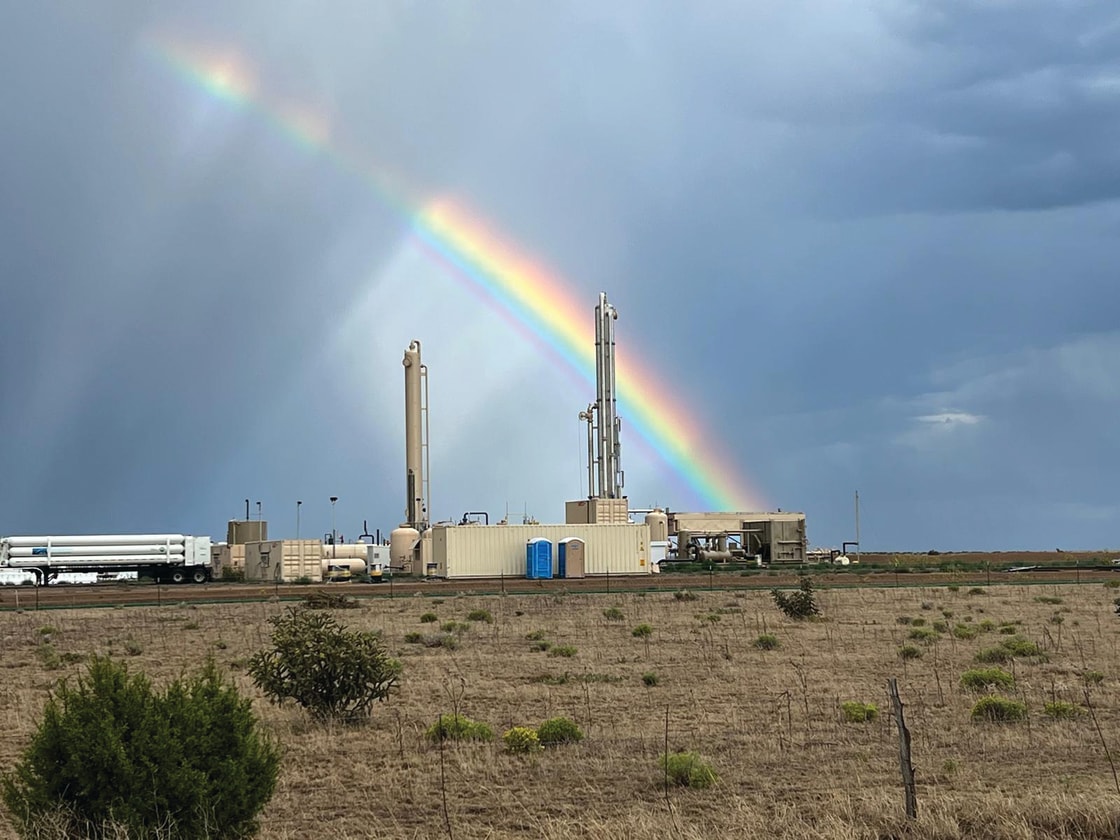
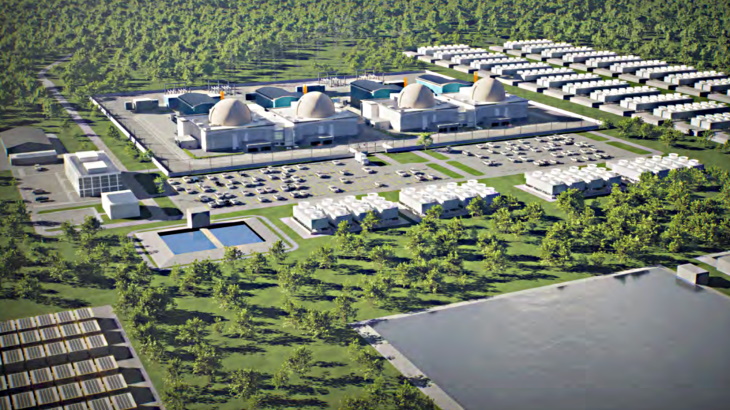
Alberta does not currently have any nuclear power capacity, but construction of a plant featuring two to four Candu Monark reactors on a site in the Peace River area of Northern Alberta has been proposed by Energy Alberta. Last year, the province launched a public engagement initiative and public survey about nuclear energy’s potential to meet future energy needs. More recently, Westinghouse and Energy Alberta signed a memorandum of understanding to collaborate on exploring the deployment of an AP1000.
Energy Alberta said it is interested in Bruce Power’s perspective on governance models, regulatory considerations and how nuclear generation would complement Alberta’s existing and future energy mix. The collaboration does not include a commitment to development, timelines or specific technologies.
“The agreement enables structured information‑sharing on topics such as early‑stage project frameworks, regulatory pathways, Indigenous and stakeholder engagement approaches, and lessons learned from operating and planning nuclear facilities in Canada,” Bruce Power said. “Given Energy Alberta’s private‑sector structure and early mandate, engagement under the agreement will remain appropriately scoped and exploratory. Bruce Power is uniquely positioned to share its expertise in operating a nuclear facility through a private-public partnership.”
“Bruce Power understands what it means to explore nuclear energy carefully, deliberately, and over the long term,” said Bruce Power Chief Operating Officer and Executive Vice-President James Scongack. “This collaboration allows us to share practical insights from our own feasibility work and planning experience with Energy Alberta.”
Energy Alberta CEO and President Scott Henuset added: “At a time when energy security and economic resilience are more closely linked than ever, co-operation within Canada’s nuclear energy sector is critical. Bruce Power’s past experience in the same area as our proposed project, as well as their current work, provides a credible reference point and valuable insights as we advance planning for the future of nuclear energy in Western Canada.”
The partners also noted that the collaboration agreement also builds on the Canada-Alberta Memorandum of Understanding around energy and a commitment within it to collaborate to develop a nuclear generation strategy to build and operate a competitive nuclear power site that can serve the Alberta and inter-connected markets by 2050.
Last week, Bruce Power signed a memorandum of understanding with SaskPower to share its expertise in nuclear generation, project development, and long-term operations as Saskatchewan evaluates large nuclear technologies for potential use in the province. The provincial government of Saskatchewan and utility SaskPower announced plans in January to formally evaluate large nuclear reactor technologies for use in the province. Saskatchewan already has plans for the deployment of small modular reactors.