The Central Electricity Authority (CEA) of India has released a draft for the first amendment to the technical standards for the construction of electrical plants and electric lines. This amendment is intended to update the original regulations notified in 2022. The draft was made public under the authority granted by the Electricity Act, 2003, and stakeholders are invited to share their feedback by 30th May 2025. Comments can be submitted in person, by post, or via email to the Chief Engineer (Legal) at CEA.
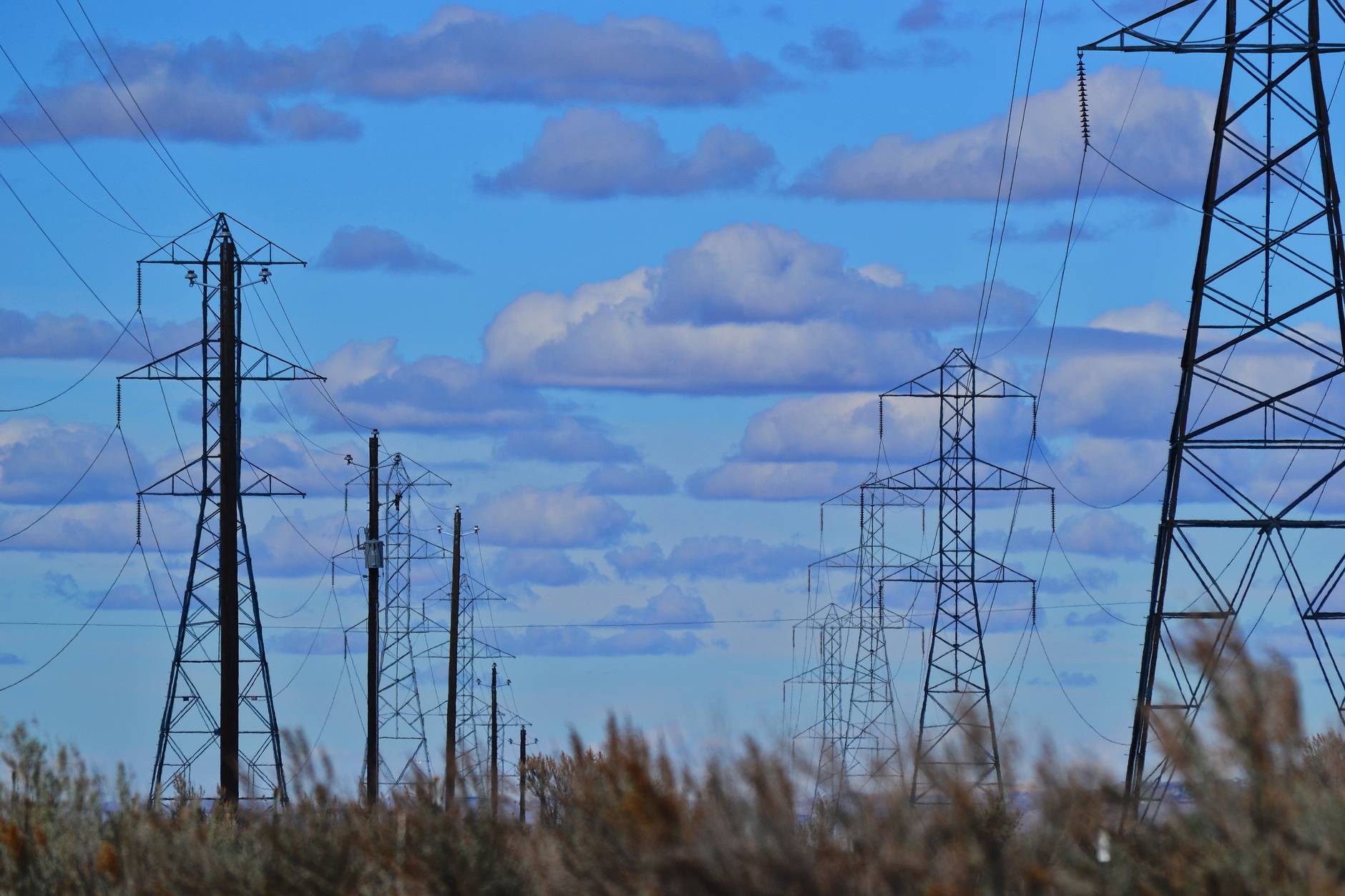
The draft includes updated specifications for the Right-of-Way (RoW) requirements applicable to various types of transmission line structures and conductor types. These structures include both lattice and pole towers and use conventional Aluminium Conductor Steel Reinforced (ACSR) as well as high-temperature low-sag (HTLS) conductors such as CFCC, ACSS, and GAP. The RoW dimensions vary based on voltage levels, terrain types (normal, forest, urban/populated), and structural configurations.
The revised Schedule VII presents detailed tables listing the required RoW for each scenario. For instance, for a 765 kV double-circuit vertical configuration with ACSR Zebra conductors in a normal route, the RoW required is 67 meters with an “I” string and 56 meters with a “V” string in forest areas. In urban or populated areas, the RoW narrows to 54 meters. Similar details are provided for voltage levels ranging from 66 kV to 1200 kV and cover single and double circuit lines with vertical, delta, and horizontal configurations.
In addition to ACSR conductors, the amendment includes provisions for HTLS conductors. For example, a 400 kV double-circuit vertical configuration using CFCC with a diameter of 31.77 mm requires a RoW of 34 meters in normal routes and 29 meters in forest areas. Urban and populated zones demand narrower widths, typically in the range of 22 to 40 meters depending on the voltage and conductor type.
The note section at the end of the schedule explains the basis for calculating sag temperatures—180°C for CFCC, 250°C for ACSS, and 210°C for GAP conductors. It also mentions that all RoW values are calculated based on design spans, maximum sag, conductor clearances, and other safety requirements as per the CEA’s safety regulations issued in 2023. If actual field conditions require different RoW measurements, these must be approved by the Authority before implementation.
This draft aims to align the construction of electrical infrastructure with current safety norms, performance expectations, and technological advancements. It ensures that the power transmission system is safe, efficient, and responsive to India’s growing electricity demand, while also addressing challenges in forest and urban terrains. The CEA encourages industry professionals, utilities, and the public to participate in shaping these standards through their feedback.