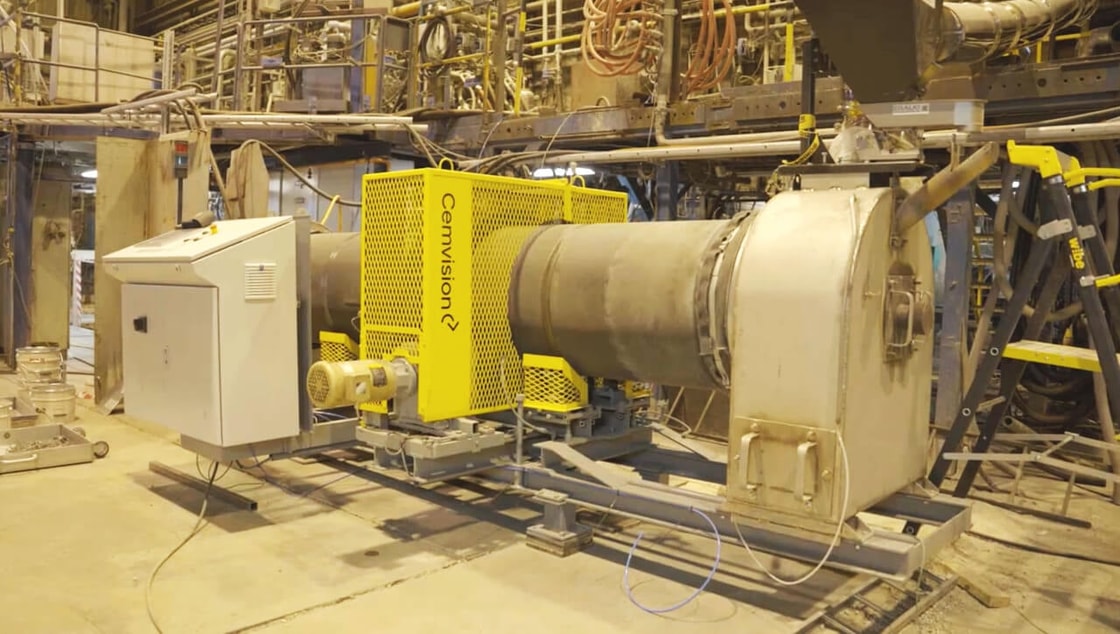
Swedish company Cemvision claims to have developed a new solution which can electrify fossil-free cement production by combining green hydrogen, plasma and resistive heating.
After completing three parallel projects, Cemvision said it is now in a position to scale the cement and its technology marks a shift in sustainable building materials.
Unlike competitors reliant on CO2-based plasma systems, Cemvision’s clinker chemistry and nitrogen approach avoids the need for carbon capture.
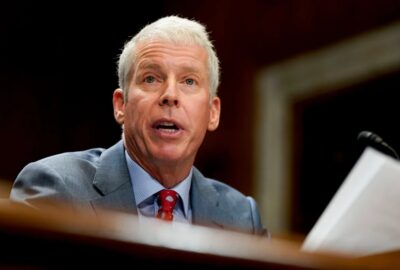
Oscar Hallen, CEO of Cemvision, said, “With a 100% electrically made clinker, we show that an industry-leading performance is possible with a minimal carbon footprint.”
The energy-intensive cement industry accounts for 8% of global CO2 emissions and its energy consumption accounts for 50-60% of overall cement production cost.
Hallen added, “For us, it’s all about reducing green premiums, making our products accessible without great surcharges and with a competitive price versus traditional Portland cement.”
Resistive heating trials involve heating the kiln from the outside in, and while scaling to industrial scale presents challenges, Cemvision’s technology sets the stage for modular applications and new refractory and kiln designs.
Momentum is building behind low-carbon cement.
The Global Cement and Concrete Association (GCCA) launched international definitions for low-carbon cement and concrete at COP29.
The definitions use the environmental product declaration (EPD) accounting method that is well established in the construction value chain for products, and designed to be used with local benchmarks and targets to reflect different challenges, opportunities and rate of decarbonisation.
SLB Capturi has announced the mechanical completion of its carbon capture plant at Heidelberg Materials’ cement facility in Brevik, Norway.
Once operational, the facility will be the world’s first commercial-scale carbon capture plant at a cement site, capable of reducing CO2 emissions by up to 400,000 metric tonnes annually.
Read more: