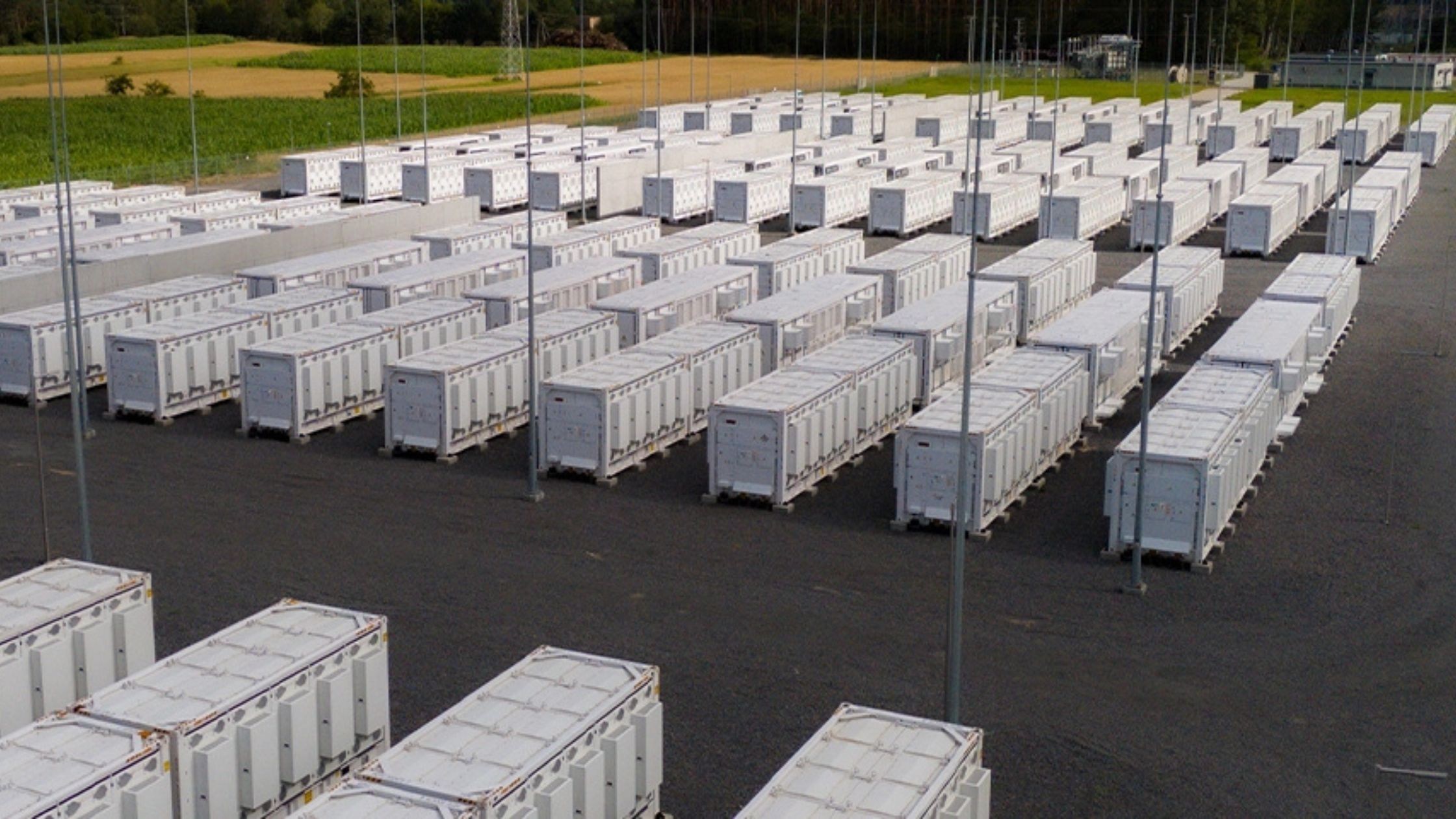
TP Saurya Limited has received relief from the Central Electricity Regulatory Commission (CERC), which has allowed the company to continue injecting infirm power from the 100 MW solar component of its 600 MW wind-solar hybrid project until the project becomes eligible for part or early commissioning under its Power Purchase Agreement (PPA).
The Commission issued its order on 3 July 2026 after examining the company’s request for an extension of the infirm power injection period. The case arose because the solar portion of the hybrid project was ready for operation, while the wind component remained delayed due to pending transmission infrastructure.
The project was awarded by the Solar Energy Corporation of India (SECI) under Tranche-V of the Wind-Solar Hybrid scheme. It comprises 400 MW of solar capacity and 200 MW of wind capacity. The original commissioning deadline was January 2025, but it was later revised to May 2025 following delays in tariff adoption. SECI subsequently extended the deadline further to 24 February 2026, or two months after the availability of transmission connectivity, due to delays in the readiness of the Gadag-II transmission substation.
TP Saurya informed the Commission that it had successfully completed a 100 MW solar project at Bikaner in Rajasthan. However, the associated wind capacity in Karnataka could not be commissioned because transmission connectivity was still unavailable. The company argued that the Request for Selection (RfS) permits a completed project component to inject power even if the remaining component is delayed due to connectivity issues. At the same time, the PPA does not permit commercial commissioning of only one component of the hybrid project.
After reviewing the documents, CERC observed that the PPA and the RfS contain separate provisions that operate independently. While the PPA requires both solar and wind capacities to be commissioned in the prescribed ratio before part commissioning can be declared, the RfS allows a ready component to inject power and sell it outside the PPA when the remaining component is delayed because of pending connectivity or long-term access. Therefore, the Commission held that the completed solar component could continue operating without being treated as commercially commissioned under the PPA.
The Commission also noted that TP Saurya had already exhausted the maximum period of infirm power injection permitted by the Regional Load Despatch Centre under the Indian Electricity Grid Code. Since the delay in the Gadag-II transmission substation was beyond the developer’s control and none of the respondents opposed the extension of infirm power injection, CERC exercised its powers under Regulation 19(3) of the Grid Code to grant additional relief.
Accordingly, the Commission allowed the company to continue injecting infirm power from the 100 MW solar component until the associated 50 MW wind capacity is ready and the project becomes eligible for part or early commissioning. The continued injection will remain subject to compliance with the Grid Code and directions issued by the concerned Regional Load Despatch Centre.
The order also addressed a dispute regarding the sale of the generated power. MPSEZ Utilities Limited and CESC Limited argued that they should receive the electricity at the tariff specified under the PPA and opposed any sale to third parties. TP Saurya stated that both buyers had declined its commercial proposal, following which SECI issued a No Objection Certificate allowing third-party sales. After examining the contractual provisions and correspondence between the parties, the Commission also advised SECI to ensure that future PPAs clearly incorporate all relevant provisions of the RfS to prevent similar disputes.
Subscribe to get the latest posts sent to your email.