Chevron Prioritizes Cash Flow Over Growth in Permian

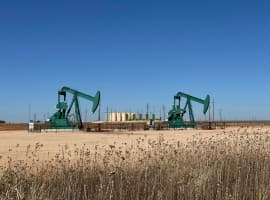
Chevron has effectively reached its long-term production goal of 1 million barrels of oil equivalent per day (boe/d) in the Permian Basin—and from here, it’s shifting gears. According to Bruce Niemeyer, president of Chevron’s shale business, the company now plans to hold production steady through 2040 while cutting rigs and frack crews—locking in $5 billion in annual free cash flow by 2027.

That number isn’t just aspirational. Chevron has already reduced its rig count from 13 to 9 and cut frack crews from 4 to 3 this year, actions expected to deliver a $2 billion cash flow boost over 2025–2026, assuming Brent crude averages $60 per barrel. The Permian has fueled years of rapid growth for Chevron, but with production now topping 1 million boe/d, the company is deliberately tapping the brakes

This marks a strategic transition: what was once a high-growth shale operation is now a consistently funded cash cow—perfectly aligned with rising shareholder demands and a Trump-era push for domestic output.

Why it matters:

  • Shale slowdown becomes a national headline. With the Permian responsible for over half of U.S. tight-oil growth, Chevron’s plateau signals broader flattening.
  • Capital priorities are shifting. Chevron has trimmed upstream budgets, focusing more on dividends and buybacks.
  • Its mineral rights edge is enormous. About 15% of its Permian output comes from land it owns outright, requiring no royalty payouts.
  • Market-wide, rig counts are sliding. U.S. activity has declined for 11 straight weeks, reinforcing a pullback narrative across the sector.

Chevron’s shift to capital discipline could redefine how U.S. shale is valued going forward. The current administration should take note: oil majors are playing the long game, and that game is now about returns, not just volume.

By Julianne Geiger for Oilprice.com

More Top Reads From Oilprice.com:


  • Related Posts

    US Gasoline, Distillate Inventories Continue to Fall as Crude Stocks Hold

    The American Petroleum Institute (API) estimated that crude oil inventories in the United States rose by 1.786 million barrels in the week ending September 18. In the week prior, US…

    India’s Russian Oil Imports Slide as Refiners Hunt for Alternatives

    India’s imports of Russian crude fell 16.5% in August and are expected to decline again in September, just as a new U.S. sanctions law gives Washington authority to hit major…

    Have You Seen?

    Saudi Arabia Restarts East-West Oil Pipeline

    • September 23, 2026
    Saudi Arabia Restarts East-West Oil Pipeline

    India’s Russian Oil Imports Slide as Refiners Hunt for Alternatives

    • September 23, 2026
    India’s Russian Oil Imports Slide as Refiners Hunt for Alternatives

    US Gasoline, Distillate Inventories Continue to Fall as Crude Stocks Hold

    • September 23, 2026
    US Gasoline, Distillate Inventories Continue to Fall as Crude Stocks Hold

    Libya’s Largest Oilfield Hit by New Armed Group Blockade

    • September 22, 2026
    Libya’s Largest Oilfield Hit by New Armed Group Blockade

    Oil Tumbles 3% as Iran Floats Hormuz Reopening Within a Week

    • September 22, 2026
    Oil Tumbles 3% as Iran Floats Hormuz Reopening Within a Week

    “We’re Living On An Oil Market Credit Card”: Analyst Sounds Alarm

    • September 22, 2026
    “We’re Living On An Oil Market Credit Card”: Analyst Sounds Alarm

    UK Gas Prices Force Ineos to Idle Three Chemical Plants

    • September 22, 2026
    UK Gas Prices Force Ineos to Idle Three Chemical Plants

    Generate Capital sells anaerobic digestion business to UK and US platforms

    • September 22, 2026
    Generate Capital sells anaerobic digestion business to UK and US platforms

    Generate Capital sells anaerobic digestion business to UK and US platforms

    • September 22, 2026
    Generate Capital sells anaerobic digestion business to UK and US platforms

    Revcoo to capture up to 8,000 tonnes of CO2 at Belgian zinc plant

    • September 22, 2026
    Revcoo to capture up to 8,000 tonnes of CO2 at Belgian zinc plant