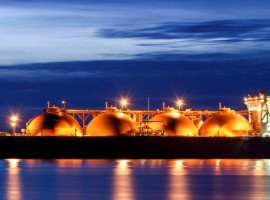
China is importing less liquefied natural gas despite the start of peak demand season, thanks to an abundant domestic gas supply that has led to lower prices. The Chinese national average for LNG stood at $21.97 per million British thermal units today, Bloomberg reported, almost $10 below the Japan/Korea Marker benchmark.
The gas price drop comes as state-owned energy majors finish their gas stockpiling drive and begin to release gas from inventory, the report also said. The sufficient domestic supply has made spot market LNG purchases unappetizing for Chinese buyers.
China is one of the world’s largest buyers of liquefied natural gas and, as a consequence, one of the most price-sensitive buyers. Earlier this year, Chinese energy traders curbed their LNG imports when prices topped $20 per mmBtu, and the curbs extended into September as prices remained elevated. Chinese gas buyers are also looking for alternatives to Middle Eastern LNG.
This is good news for other Asian LNG importers as well as Europe, as both continents scramble to stock up on enough gas for winter. For both, price is an issue, but European buyers tend to have deeper pockets and outbid Asian ones when prices go high enough to discourage the Asians from buying.
In late October, liquefied natural gas prices on the Asian spot market topped $30 per million British thermal units for the first time since December 2022, amid continued disruption in Qatar’s LNG exports and a growing imbalance between global demand for the fuel and supply, despite soaring U.S. exports. Prices have remained above $31, with the latest close at $31.49 per mmBtu.
On the European futures market, on the other hand, prices have dropped from over €100 per MWh to €86.80, likely on renewed optimism about the Middle East after Democrats won control of both houses in the United States.
By Irina Slav for Oilprice.com
More Top Reads From Oilprice.com
- Oil Prices Fall as Trump Signals No New Attacks on Iran
- Oil Traders Want U.S. to Release Sanctioned Tankers as Freight Costs Soar
- India’s HPCL Struggles to Secure Oil Tankers as Hormuz Risks Persist