By
3 min ago 2 min read
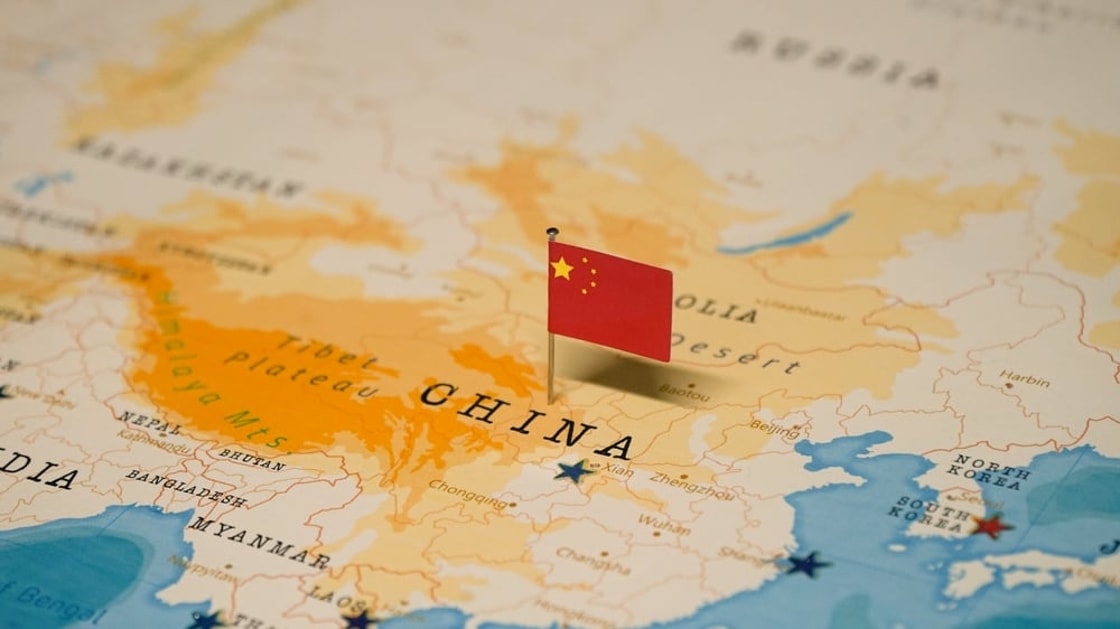
China plans to adjust export controls for helium based on changes in domestic and international supply and demand, according to a Ministry of Commerce spokesperson.
The announcement comes several days after the country introduced a under China’s Foreign Trade Law to safeguard domestic supply.
“Going forward, we will adjust our export-management policies in a timely manner based on changes in domestic and international helium supply and demand,” the spokesperson said at a press conference today (July 16).
China remains heavily reliant on imported helium, with more than 85% of its supply coming from abroad, according to data cited in a research note this week by consultancy Trivium China.
Prior to the ongoing conflict in the Middle East, the China market totalled around 1 bcf a year, with 85% imported from Qatar and Russia, and around 150 mmcf/yr produced domestically.
The announcement comes as the global helium market continues to face supply pressure following disruptions to production and exports from Qatar earlier this year.
China is also importing cheaper Russian helium before re-exporting it to other countries, a move that played into the initial ban, according to Phil Kornbluth of Kornbluth Helium Consulting.
“[The temporary ban] will take some Russian helium off the market and was probably taken by China to ensure additional supply for the Chinese market and support the Russian export controls,” he said when China announced the export ban last week.
Last year, China imported more than 4,900 tonnes of helium, compared with exports of just 788 tonnes, according to customs data.
However, helium exports continued to rise despite a surge in global prices in the first five months of this year. Year-on-year shipments increased 32% to 409 tonnes, partly driven by a sharp increase in deliveries to South Korea and Taiwan.
South Korea relied on Qatar for 64.7% of its helium imports last year, although domestic chipmakers are understood to hold enough helium inventories to .