Summary
- Trump to use Defense Production Act to steer money to coal projects
- Funds would upgrade coal plants, support new facilities and export infrastructure
- Environmental groups criticize plan; industry says coal supports AI-driven power demand and energy security
(Reuters) – President Donald Trump said on Thursday he is directing hundreds of millions of dollars to support U.S. coal power plants and to ship the carbon-intensive fuel to Asia, with most of the funding coming from Cold War-era emergency powers.
Get the Latest US Focused Energy News Delivered to You! It’s FREE:
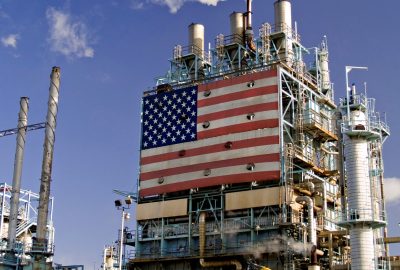
Trump invoked the Defense Production Act, a 1950 law granting presidents broad authority over industries deemed critical to national security, to fund $425 million in upgrades to 13 coal-fired power plants and $75 million to support the proposed West Gateway coal export terminal in Oakland, California.
His Energy Department also said it was finalizing up to $350 million in previously announced funding to help develop four coal facility projects, including new power plants in Alaska and West Virginia.
The Trump administration has framed energy policy as a national security issue to ensure electricity for AI data centers and reduce reliance on other countries.
At an event in the Oval Office, Trump, flanked by Interior Secretary Doug Burgum, Energy Secretary Chris Wright, and Republican governors Mark Gordon of Wyoming and Patrick Morrisey of West Virginia, said “clean, beautiful coal” would help reduce the cost of living for all Americans.
Gordon, who recently visited Japan and Taiwan, said leaders there are hungry for coal from Wyoming to support their own AI efforts. Opening the California port is “absolutely essential for the lifeblood of our state,” the top coal-producing state in the U.S., Gordon said.
POLLUTION CONCERNS
The plan drew condemnation from environmental advocates who say the particulate emissions from coal are linked to health issues, including heart and lung diseases, that shorten lives and saddle Americans with medical bills.
Patrick Drupp, climate policy director at the Sierra Club, called it a taxpayer-funded subsidy for a polluting industry and said the group would fight the initiative in courts.
“It is disgusting and reprehensible that the president of the United States is giving away our taxpayer dollars to deadly and expensive coal plants,” Drupp said.
Rich Nolan, CEO of the National Mining Association, said the funding would strengthen production of a fuel source that helps insulate consumers from energy price volatility while supporting rising electricity demand.
“The administration is supporting that strategy with decisive action at home to ensure that upgrades to existing energy assets are made, and at our ports to ensure that U.S. coal can answer the world’s needs,” Nolan said.
Coal, responsible for more than half of U.S. electricity generation in 1990, now generates less than one-fifth as utilities shifted toward cheaper natural gas and renewable energy sources. Despite rolling back environmental regulations on the industry, Trump has been unable to boost the ranks of coal miners. The number of working U.S. coal miners has fallen from about 51,500 in 2017 to about 39,800 last year, according to the St. Louis Fed.
Reporting By Jarrett Renshaw Editing by Rod Nickel
Share This:
More News Articles