

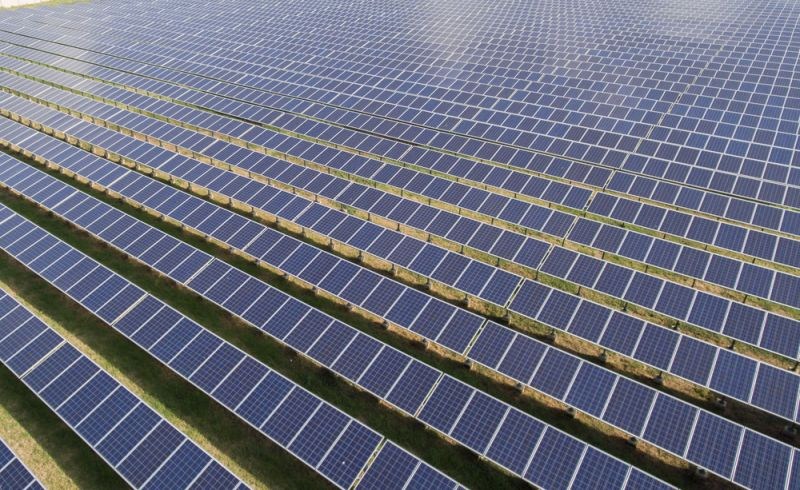
Dubai Electricity and Water Authority (DEWA) is advancing clean energy infrastructure in Dubai while placing environmental protection, resource conservation and biodiversity at the centre of project development. The authority is integrating sustainability measures across the planning, design, construction and operation of its projects to reduce emissions, improve resource efficiency and support Dubai’s long-term climate goals.
DEWA Managing Director and CEO Saeed Mohammed Al Tayer said the authority’s environmental approach is guided by the UAE’s leadership vision and supports the Dubai Clean Energy Strategy 2050 and Dubai Net Zero Carbon Emissions Strategy 2050. The strategy aims to enable Dubai to generate 100% of its power production capacity from clean sources by 2050.
A key part of DEWA’s clean energy programme is the Mohammed bin Rashid Al Maktoum Solar Park, which currently has a capacity of 3,860 MW. The project is expected to exceed 8,000 MW by 2030, compared with its original target of 5,000 MW. The expansion is expected to increase the share of clean energy in Dubai’s energy mix to 36%.
Another major project is the Hatta pumped-storage hydroelectric power plant, which has a generation capacity of 250 MW and storage capacity of 1,500 MWh. The facility, the GCC’s first pumped-storage hydroelectric project, is designed to operate for up to 80 years and supports both energy storage and grid reliability.
DEWA conducts Environmental Impact Assessments to identify potential environmental effects and incorporate mitigation measures into project planning. Environmental monitoring programmes track air, water and soil quality as well as noise levels, allowing corrective measures to be taken when required.
The authority is also focusing on resource efficiency and waste management through circular economy principles. Its projects aim to reduce resource consumption, minimise waste and increase reuse, recycling and material recovery. Environmental inspections, audits, performance indicators and employee awareness programmes further support these efforts.
DEWA’s environmental activities extend beyond energy infrastructure. The authority supports biodiversity conservation and community participation through mangrove planting and beach-cleaning initiatives. In 2026, 254 volunteers planted 700 mangrove trees and contributed 508 volunteer hours at Jebel Ali Marine Sanctuary. Between 2023 and 2026, DEWA planted 14,650 mangrove trees at the sanctuary.
During the same period, beach-cleaning campaigns removed 3,546 kilograms of waste, mainly plastic, with the participation of 2,154 volunteers.
Through these initiatives, DEWA is linking clean energy development with environmental stewardship, supporting Dubai’s net-zero ambitions while promoting sustainable infrastructure and protecting natural resources for future generations.
Subscribe to get the latest posts sent to your email.





)