By
13 min ago 2 min read
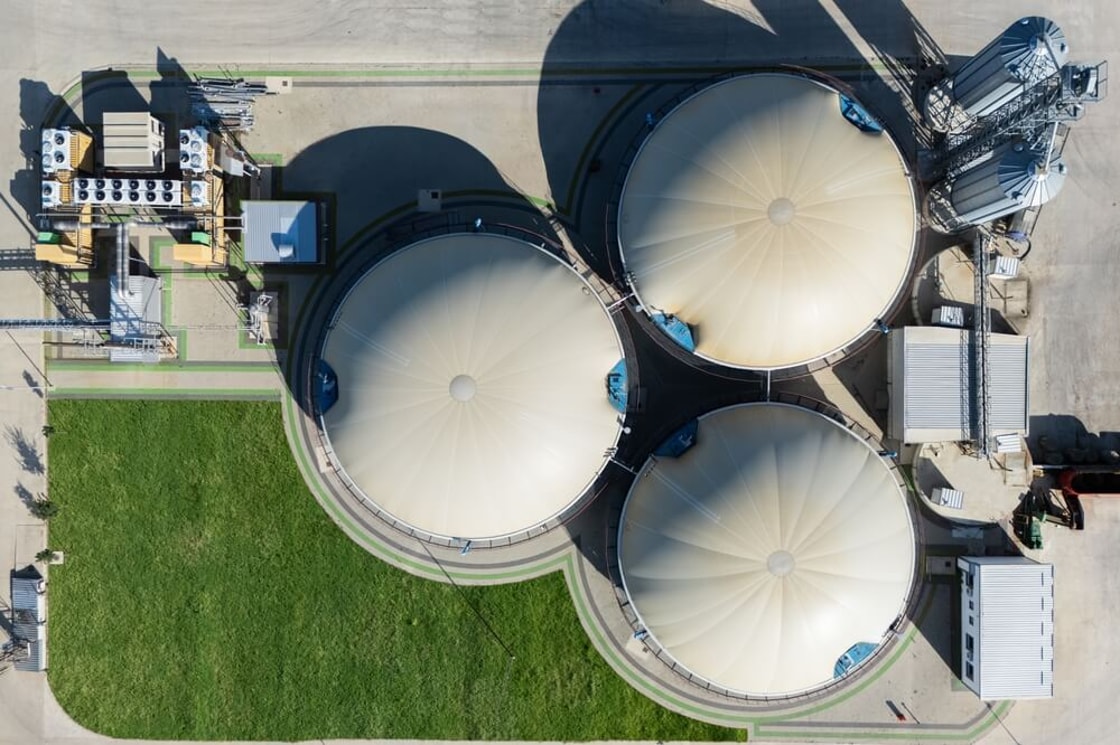
The Netherlands-based EemsGas Project has received a subsidy grant from the Netherlands Enterprise Agency worth €149.8m ($173.6m) to support the production phase of a green gas (biomethane) plant in Delfzijl.
The project – a joint venture between Perpetual Next and Gasunie – secured €30m ($34.8m) government subsidy last year to construct the plant under the Demonstration Energy and Climate Innovation programme.
The latest investment covers a minimum price for biomethane and gives EemsGas certainty of operating income for the next 15 years – from 1 July 2029 to 30 June 2044.
“Both subsidies not only demonstrate a substantial financial commitment by the Dutch government, but also underline the importance of this development for the energy transition and the competitive position of the Netherlands.” said Rene Buwalda, CEO of Perpetual Next.
For development of the plant, EemsGas entered into a partnership with independent, non-profit applied research and technology organisation TNO, which provides the gasification technology.
The technology converts organic low-grade waste like agricultural residues and demolition wood into biomethane and biomethanol.
It works via a three-step process where feedstock is first fed into an indirect, allothermal gasifier (a reactor without oxygen) heated to about 700 to 900°C.
Rather than using oxygen or air, heat is transferred to the biomass via circulating hot sand. Because it operates without burning the fuel the resulting product gas is nearly nitrogen-free and has a very high heating value.
The gas is then purified and tars and heavy hydrocarbons are scrubbed and washed out, resulting in clean gas that can be converted into specific end products using catalytic reactors.
For example, through catalytic methanation, the syngas can be transformed into synthetic natural gas to be injected directly into the natural gas grid.
Construction of the project is expected to begin in 2027 before operations start in 2029.
The Netherlands is rapidly scaling its biogas and biomethane sector to meet the national target of two billion cubic metres of annual production by 2030.
To drive market adoption, a green gas blending obligation requires energy companies to supply an increasing percentage of biomethane, aiming for about 20% in the built environment by 2030.