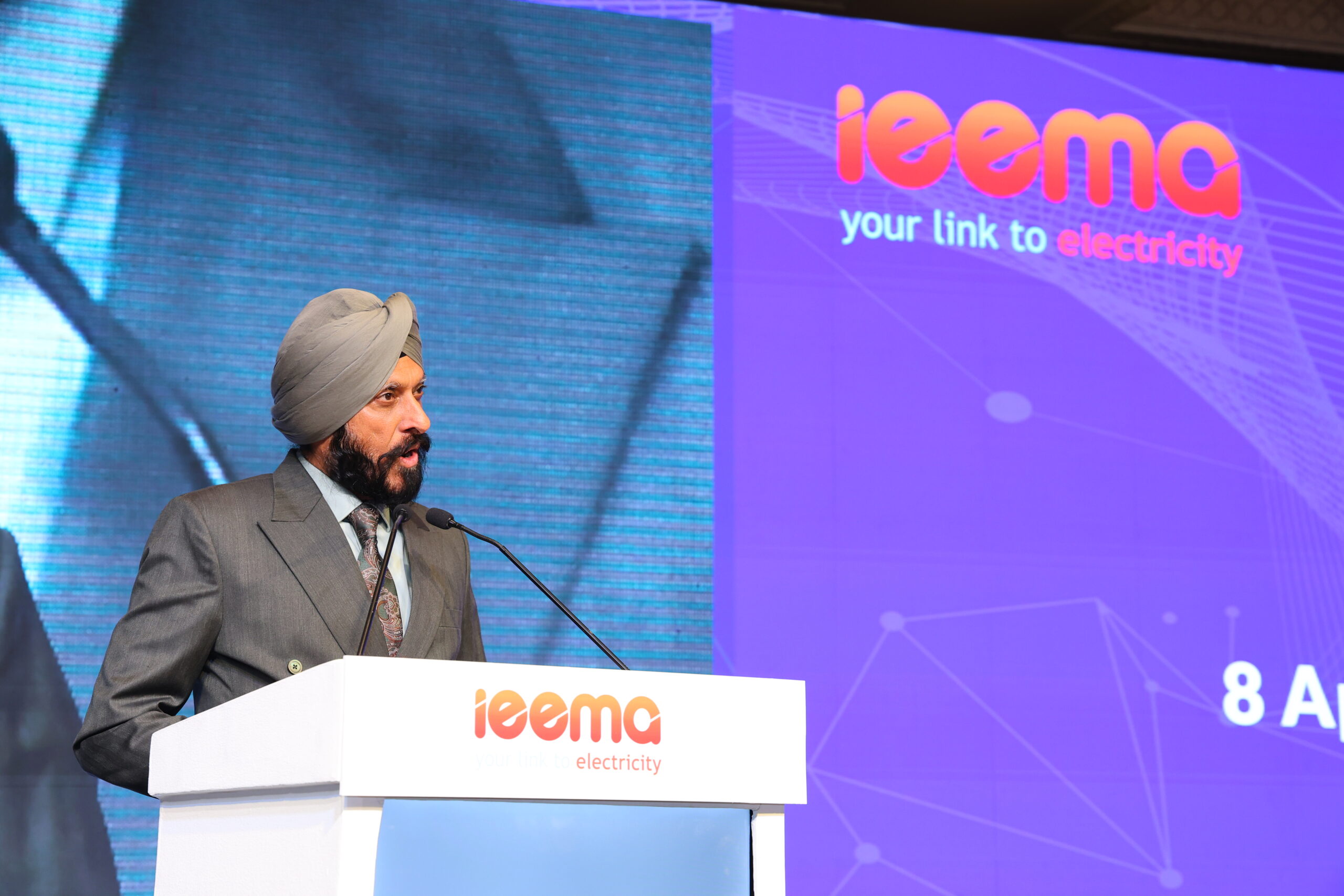
Electrification is set to play a central role in strengthening India’s energy security framework, particularly amid rising global uncertainties, according to Hartek Singh, who has assumed leadership as Chairman for ELECRAMA 2027.
Speaking on the evolving energy landscape, Singh highlighted that geopolitical tensions, especially in West Asia, continue to expose vulnerabilities in global energy supply chains. He emphasized that India’s response must focus on building domestic capabilities, accelerating electrification, and strengthening infrastructure resilience.
“Energy security cannot be outsourced. Electrification, supported by grid expansion and digital intelligence, will define India’s pathway to resilience and long-term growth,” he stated.
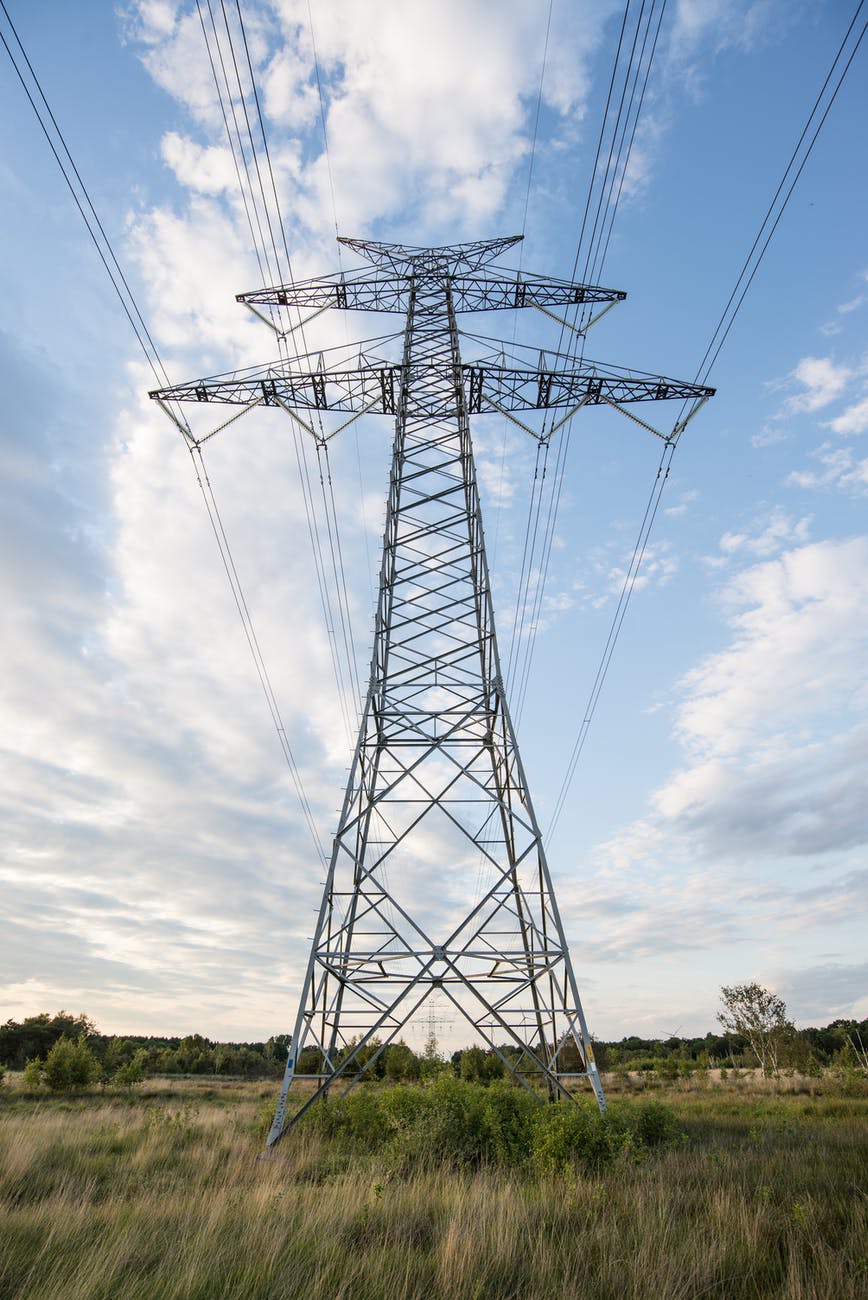
Singh noted that India’s ambitious renewable energy target of 500 GW must be supported by proportional investments in transmission infrastructure and smart grid systems. While renewable capacity deployment has accelerated, transmission expansion remains a longer-term process, resulting in interim challenges such as power curtailment in key regions. However, ongoing investments in grid modernization, coupled with artificial intelligence-driven monitoring and automation, are expected to address these issues over time.
He further underscored the importance of India’s MSME ecosystem, which forms a critical component of the electrical manufacturing value chain. Enhancing quality standards and improving global competitiveness will be essential in positioning India as a manufacturing hub for power equipment.
Singh also pointed to a more responsive policy environment, where collaboration between industry and government is helping to expedite project execution and mitigate sectoral challenges, including input cost pressures and delays.
Highlighting the next phase of the energy transition, he said the adoption of smart grids—integrating automation, artificial intelligence, and advanced analytics—will be key to ensuring efficient load management and reliable power supply.
The Government of India has reinforced electrification as a core strategy for energy security. In a recent address on March 23, 2026, Narendra Modi emphasized reducing dependence on hydrocarbons through electrified systems.
India’s installed power capacity currently stands at approximately 520 GW, including around 283 GW from non-fossil sources, with a target of achieving 500 GW of renewable energy capacity by 2030. This transition is supported by significant investments, including approximately ₹3 lakh crore under the Revamped Distribution Sector Scheme (RDSS) and a transmission pipeline exceeding ₹6 lakh crore.
Meanwhile, Indian Electrical & Electronics Manufacturers’ Association has announced the 17th edition of ELECRAMA, scheduled to take place from February 20–24, 2027 at India Expo Mart. The event is expected to host over 1,100 exhibitors and generate business enquiries worth nearly USD 25 billion.
Under Singh’s leadership, ELECRAMA 2027 will emphasize global collaboration, advanced manufacturing, and digital innovation, reinforcing India’s ambition to emerge as a global hub for electrical equipment and energy solutions.
Subscribe to get the latest posts sent to your email.