The energy ministers of European Union members are set to discuss local gas drilling in response to the energy supply squeeze in the Middle East, Reuters has reported, citing an internal document it had seen.
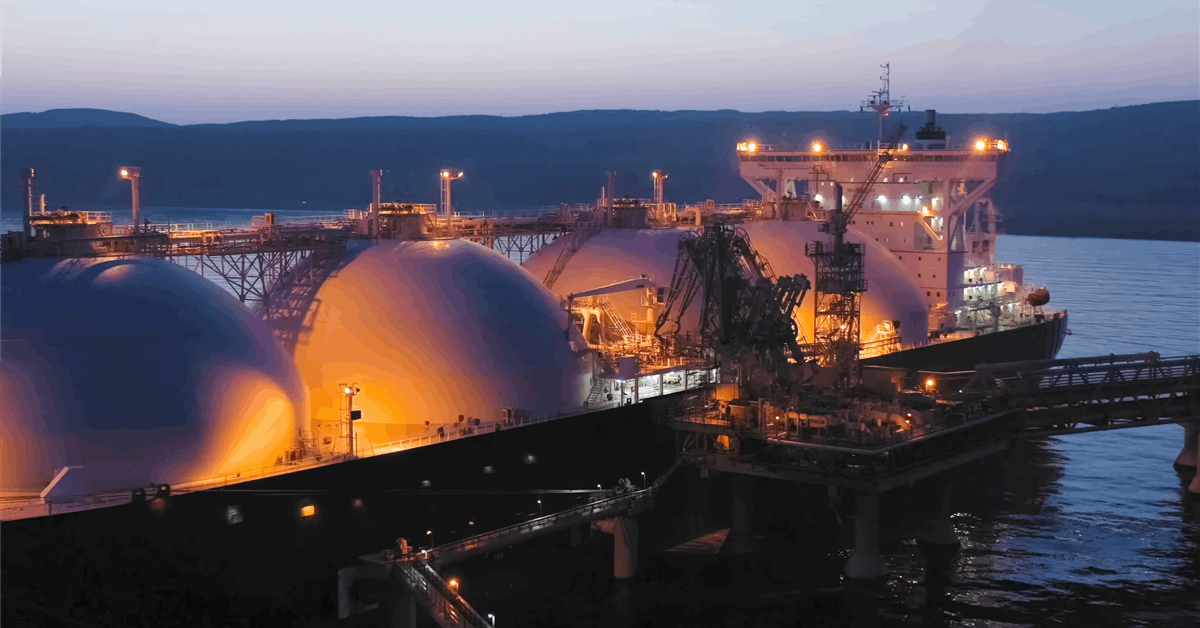
Domestic gas drilling has not been particularly popular among European governments over the past 20 years or so, as the bloc preferred to source its natural gas from external suppliers, notably Norway and Russia. With a ban on Russian gas set to take effect from next year amid a severe deterioration in relations with Brussels, Norway and the United States remain the only large suppliers now that Qatar is out of the picture for at least a couple of years.
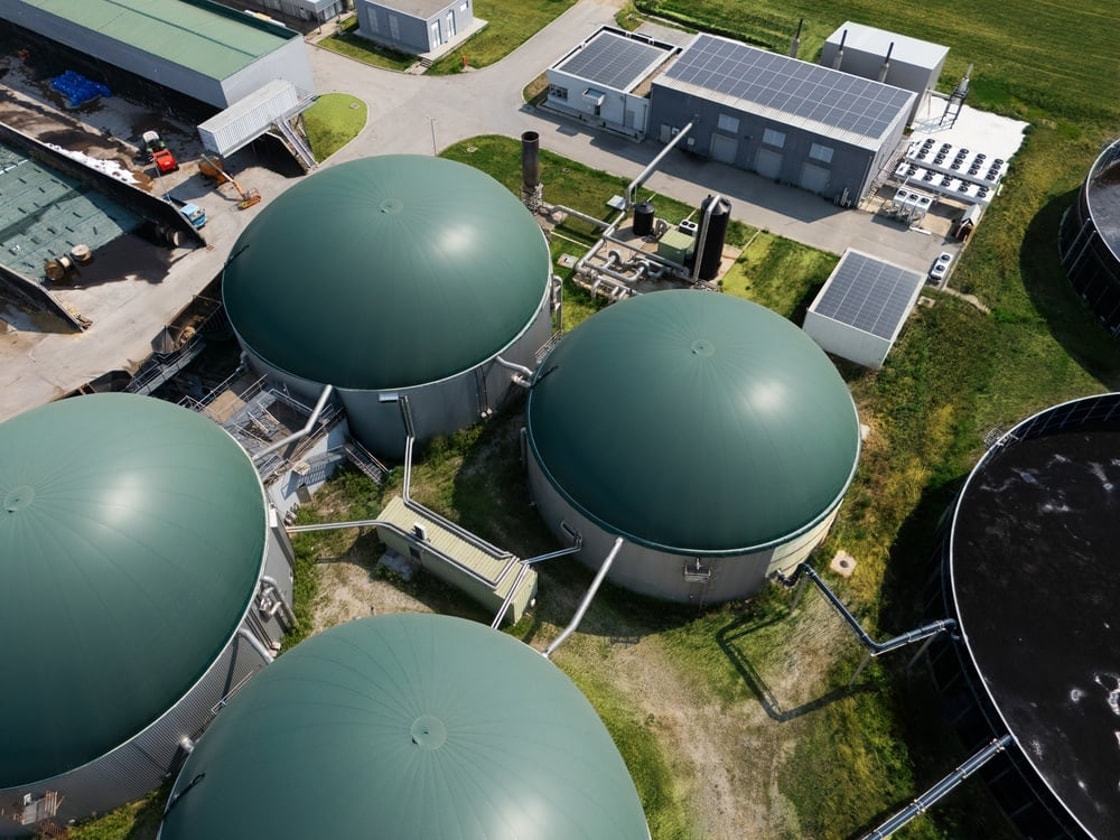
However, U.S. liquefied natural gas is expensive, while Norway does not have the capacity to produce enough gas to cover the European Union’s needs. In this context, the decision to finally discuss domestic gas production comes better late than never.
“Given the current price shocks and the volatility of the global LNG market, how do you see the role of indigenous gas resources acting as a collective mechanism for price stability for the entire Union?”
From a pragmatic perspective, domestic gas production would be a good decision. However, there is a fear in EU circles that reversing the bloc’s attitude to local oil and gas supply may harm climate ambitions and net-zero targets. That’s why the document cited by Reuters included the condition that the consideration of domestic gas production must be done with a view to such production not “locking us into carbon-intensive systems that undermine our long-term climate goals”.
Natural gas production in member states of the EU has dropped by 50% over the past ten years as investments have been pressured by net-zero plans, and imports have surged under the assumption that foreign gas will always be there.
By Irina Slav for Oilprice.com
More Top Reads From Oilprice.com
- API Confirms Very Large Crude and Oil Product Draws
- $125 Oil Could Tip Global Economy Into Recession
- Australia Plans $7 Billion Fuel Stockpile