The global effort to move toward a low-carbon future is losing momentum, with major economies falling behind their climate commitments. According to Wood Mackenzie’s 2025–26 Energy Transition Outlook, no G7 country is currently on track to meet its 2030 emissions reduction targets. As a result, the world is now projected to be on a 2.6°C warming pathway, a higher estimate than last year. This slowdown reflects a combination of geopolitical tensions, economic pressures following the pandemic, and ongoing conflicts such as the wars in Ukraine and the Middle East. Together, these factors have pushed many governments to focus more on short-term energy affordability and security rather than long-term climate goals.
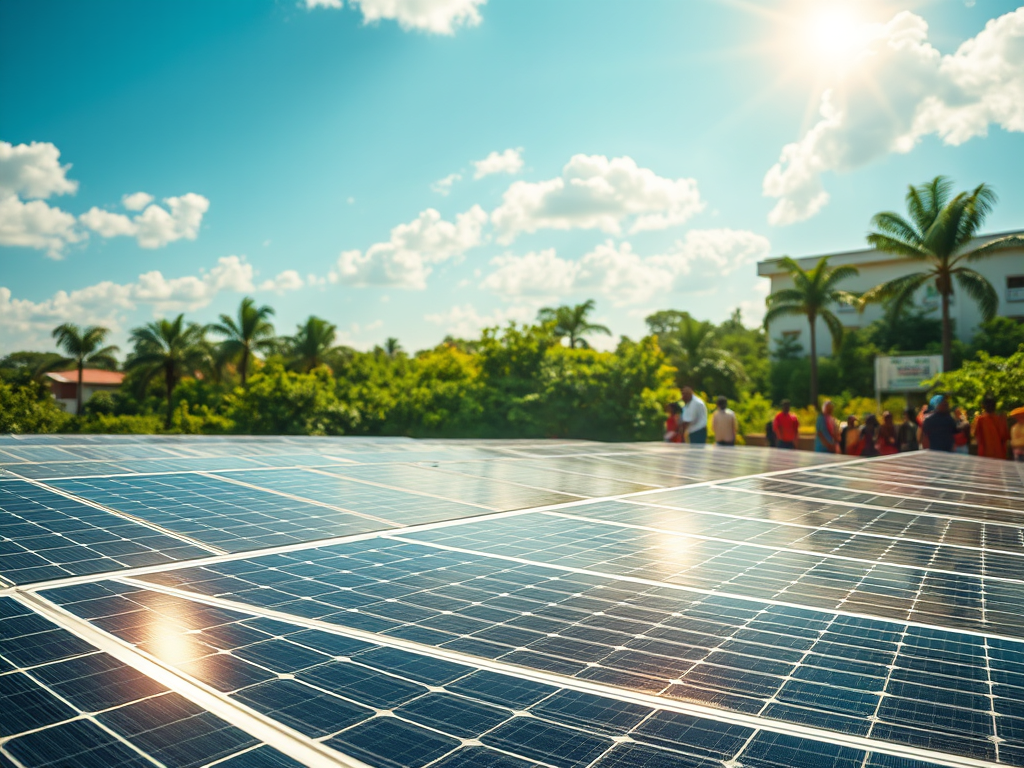
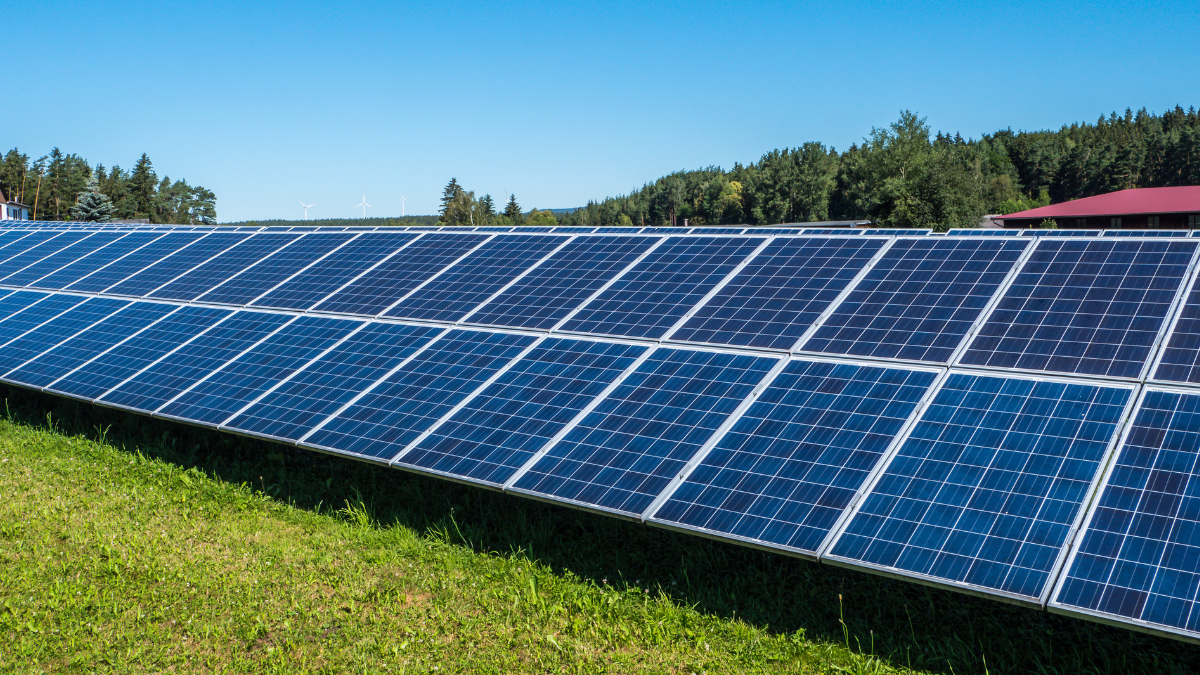
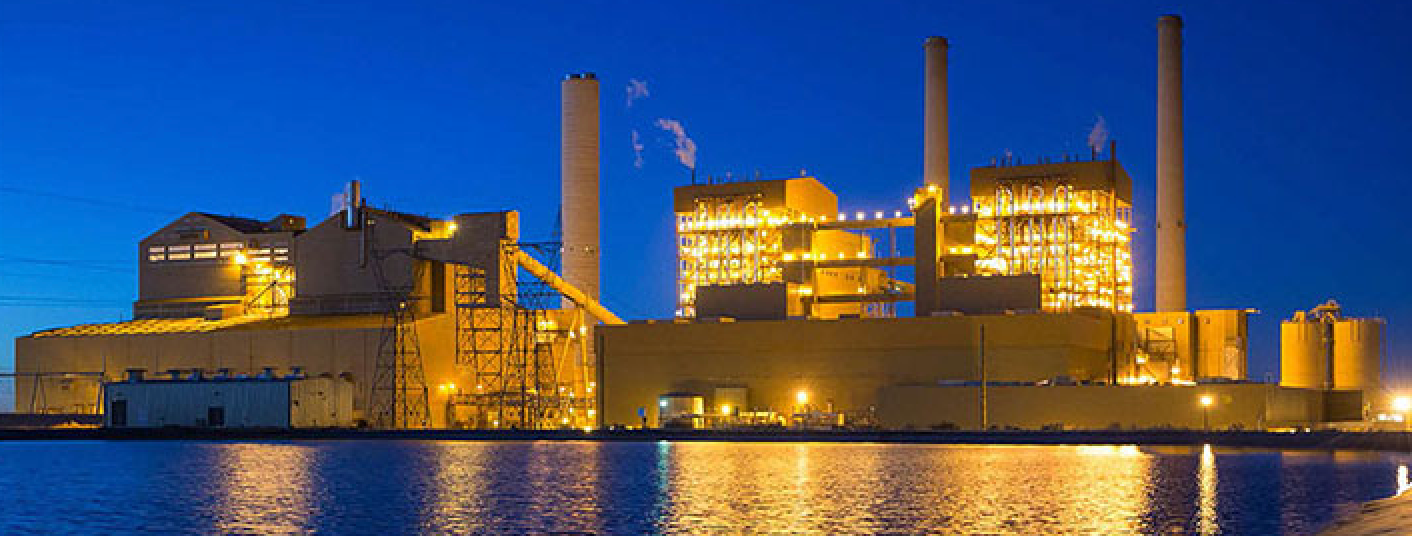
Instead of a rapid energy transition, the current situation is better described as an “energy evolution.” Over the past decade, renewable energy sources have grown and now account for around 20% of the global power supply. However, this growth has largely been offset by rising energy demand driven by population growth and expanding economies. As a result, fossil fuels continue to dominate the global energy mix and are expected to remain a core part of supply for many years. Global oil demand, in particular, is now forecast to peak later than previously expected, around 2032, supported by continued growth in the transport and petrochemical sectors.
Adding to the pressure on the energy system is the rapid rise of artificial intelligence. Data centers that support AI technologies are becoming a major source of electricity demand. Projections suggest that by 2050, data centers could consume around 3,500 terawatt-hours of electricity, roughly equal to the combined current power demand of India and the Middle East. This surge is putting additional strain on power grids around the world. At the same time, AI also presents opportunities, as it could help speed up research and simulations for advanced energy technologies, including nuclear fusion, which could play a role in future decarbonization efforts.
Responses to these challenges vary significantly by region. China continues to stand out for its rapid progress in decarbonization and its strong position in global supply chains for solar panels, wind turbines, and batteries. The country’s scale and speed of deployment have made it a leader in clean energy manufacturing. In contrast, the United States has moved toward a more inward-looking energy approach, prioritizing domestic supply and security. Europe, meanwhile, is grappling with high energy prices and growing political fatigue, which has made it harder to maintain a strong consensus around climate action.
Despite the slowdown, limiting global warming to 2°C is still considered achievable, but only under demanding conditions. This would require the world to reach net-zero emissions by 2060, supported by a sharp increase in investment. Annual energy transition investments would need to rise by about 30% to reach an average of US$4.3 trillion per year through 2060. These funds would be essential to scale up technologies such as hydrogen, carbon capture, and advanced nuclear power. Without this level of financial commitment and strong international cooperation, the final push toward net-zero emissions is likely to remain out of reach.
Subscribe to get the latest posts sent to your email.