Eni is looking to squeeze more cash out of LNG without giving up control of the business.
Reuters reported Tuesday that the Italian energy major has hired Morgan Stanley to explore a potential deal involving its floating LNG assets, with infrastructure giants including Apollo, KKR, and Stonepeak reportedly approached in early-stage discussions. The structure under consideration would allow outside investors to inject capital into a vehicle tied to cash flows from Eni’s floating LNG operations.
The deal could raise at least €1 billion for Eni, according to Reuters sources.
Global LNG markets remain under pressure from the Iran war and the ongoing disruption around the Strait of Hormuz, forcing Europe and Asia into an increasingly aggressive fight for cargoes. Floating LNG assets have suddenly become a lot more attractive because they can monetize offshore gas faster and with fewer geopolitical chokepoints than large land-based export terminals.
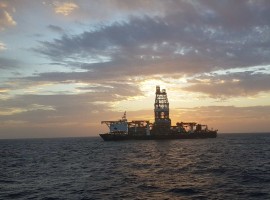
Eni already has one of the more established floating LNG portfolios among European majors. The company operates FLNG units offshore Mozambique and Congo and is planning additional deployments in Mozambique and Argentina over the next several years.
FLNG is increasingly being seen as toll-road-style energy cash flow, rather than as upstream infrastructure. Infrastructure funds love that kind of thing. Long-life assets. Contracted revenue. Access to global gas markets without directly taking commodity price risk.
For Eni, the strategy also fits a broader pattern.
European majors are under pressure to keep shareholder payouts flowing while still funding expensive growth projects and energy transition spending. Just last week, Eni shareholders approved a €4 billion buyback program alongside continued dividend payments.
Selling stakes in infrastructure-linked assets has become one of the cleaner ways to free up capital without shrinking the underlying business.
Investors are looking for LNG exposure outside the Persian Gulf while the Middle East remains unstable. African gas projects suddenly look a lot less politically risky when Hormuz is one missile strike away from another shipping panic.
Right now, LNG flexibility has become a premium business.
By Julianne Geiger for Oilprice.com
More Top Reads From Oilprice.com
- Morgan Stanley: Oil Buffers Could Run Out Before Hormuz Reopens
- Japan Receives First Central Asian Crude Since Iran War Began
- Australia’s Biggest Untapped Gas Field Just Got a Lot More Expensive