

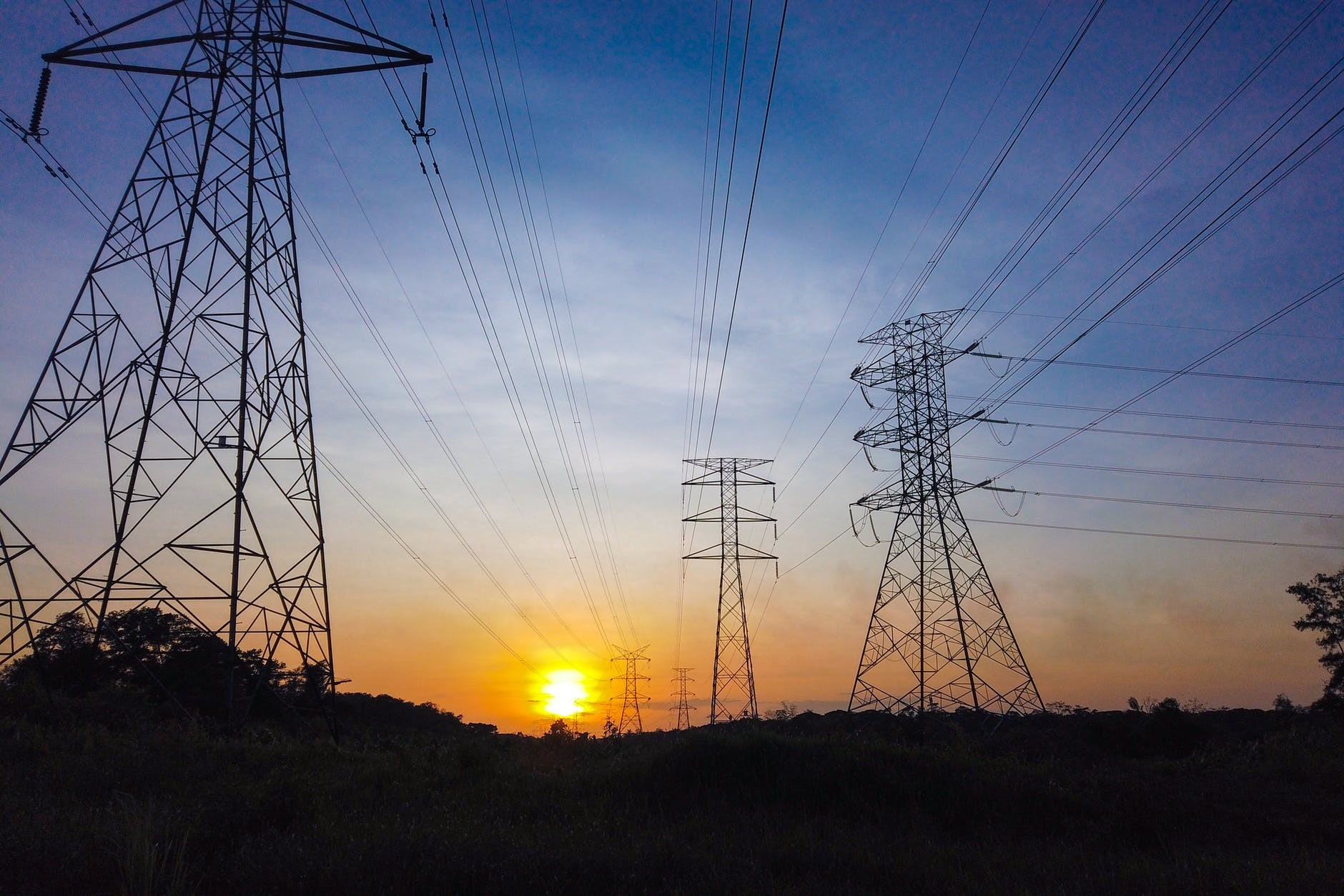
South Africa’s power utility, Eskom, has reported a significant improvement in electricity generation performance, with its year-to-date Energy Availability Factor (EAF) reaching 68.2%, the highest level recorded in six years. The improvement reflects progress under the Generation Recovery Plan launched in March 2023, which has helped restore approximately 6,536 megawatts (MW) of generation capacity to the national grid over three years.
The utility’s latest operational figures indicate a substantial reduction in unplanned power plant outages. Between October 2 and October 8, average unplanned outages declined to 7,707 MW, compared with 10,646 MW during the corresponding week last year. This represents a 28% reduction in unexpected generation losses, indicating improved plant performance and greater operational stability.
Eskom’s Unplanned Capacity Loss Factor (UCLF) for the financial year to date has also fallen to 18.9%. The decline suggests that fewer generation units are being affected by unexpected breakdowns, allowing the utility to focus increasingly on maintaining plant reliability rather than responding primarily to operational emergencies.
Alongside these improvements, Eskom has reported a surplus generation capacity of 5,695 MW. According to the utility, the available capacity provides a stronger foundation for meeting electricity demand and supporting South Africa’s economic growth and industrial development. Maintaining sufficient electricity supply is particularly important for industrial activities and businesses that depend on reliable power.
Eskom continues to carry out planned maintenance to sustain the improvement in generation performance. Planned capacity losses have averaged 12.72% during the current financial year, reflecting the utility’s efforts to balance maintenance requirements with the need to keep sufficient generating units available to supply electricity.
However, improvements in electricity availability have not been matched by progress in environmental performance. During the 2025/26 financial year, Eskom experienced a significant deterioration in particulate emissions, highlighting the environmental challenges associated with its ageing coal-fired power stations.
Relative particulate emissions increased by 53% to 0.98 kilograms per megawatt-hour, nearly three times the utility’s internal target of 0.35 kilograms per megawatt-hour. The deterioration has been attributed to the condition of its coal-fired generation fleet, maintenance backlogs and delayed investments in equipment and environmental controls.
Power stations including Kendal, Lethabo, Matimba, Matla and Duvha have encountered significant difficulties involving particulate emissions and ash-handling systems. These problems have increased scrutiny of Eskom’s environmental compliance and intensified pressure surrounding its requests for exemptions from South Africa’s Minimum Emission Standards.
Although monthly monitoring indicates that particulate emissions have begun moving back towards target levels, the broader environmental concerns remain significant.
Eskom’s recent performance highlights the challenge of improving electricity reliability while addressing pollution from coal-based generation. Sustaining the recovery will require continued maintenance, investment in plant performance and stronger environmental controls to support a more reliable and environmentally responsible electricity system.
Subscribe to get the latest posts sent to your email.








)