By
26 min ago 3 min read
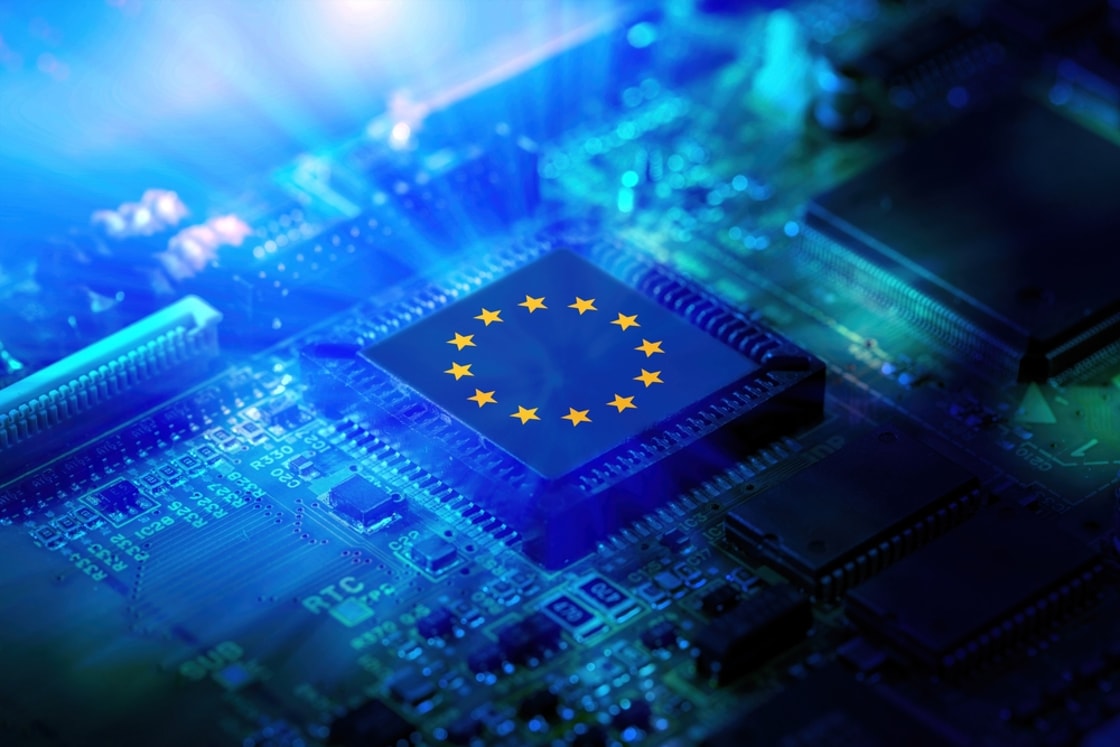
The EU has officially launched a technological sovereignty package which includes theChips Act 2.0, Cloud and AI Development Act, open source strategy and roadmap for digitalisation and AI in energy.
As , Chips Act 2.0 gives the European Commission new intervention powers including crisis-stage prioritisation of critical chips, rapid approval for fab construction, supplier diversification mandates and governance mechanisms to monitor and respond to supply risks.
The Act aims to improve the framework conditions for investment and competitiveness, boost demand for European chips, strengthen capacity building across the value chain, and improve resilience of the semiconductor value chain.
A Commission statement said, “Europe’s strengths – from being the leading producer of machines for chip manufacturing to world-class research organisations and a strong base of open-source developers – are not being fully harnessed.
“It is therefore time to strengthen Europe’s global competitiveness in key digital technologies such as semiconductors, cloud and artificial intelligence (AI).”
Chips are the third most traded product in the world, after oil and vehicles. In 2025, the market was valued at around €595bn and is expected to continue to grow, crossing the trillion-euro threshold by 2030, with AI-related components representing over 70% of the global semiconductor market.
However, without the ability to design, produce, or package advanced chips, the EU remains highly dependent on third countries and vulnerable to supply disruptions – underlined by the current helium supply shortages in the Middle East crisis.
Securing a stable supply of both mainstream and advanced chips is therefore necessary for the EU to ensure that critical infrastructure and technologies remain secure.
Under the Cloud and AI Development Act, the EU will strive to build more sustainable data centre capacity. The EU’s cloud and AI market is growing from €70bn in 2022 to an expected €200bn by 2028.
Similarly, the EU says their full potential is not being fully realised – which chimes with a recent gasworld webinar, which highlighted the “astronomical” untapped opportunities .
The need for increased computing capacities will lead to an increase in energy needs for digitalisation, in particular .
These are driving up energy demand, with potential consequences for decarbonisation, prices and grid access.
The aim of the roadmap is to tap into the potential of digital and AI solutions while managing their impact on the energy system.
Data centres account for 2.5% of the EU electricity consumption and their demand is expected to rise. This increase, combined with growing demand from the electrification of the economy, could hamper the integration of renewables into grids, create congestion and drive up electricity prices.
Ensuring that data centres help stabilise power grids by adjusting their energy use when demand is high is therefore essential.
There will be renewed focus on developing smart grids and smart metering systems, incorporating AI models, and stronger emphasis on cross-border data energy exchange.