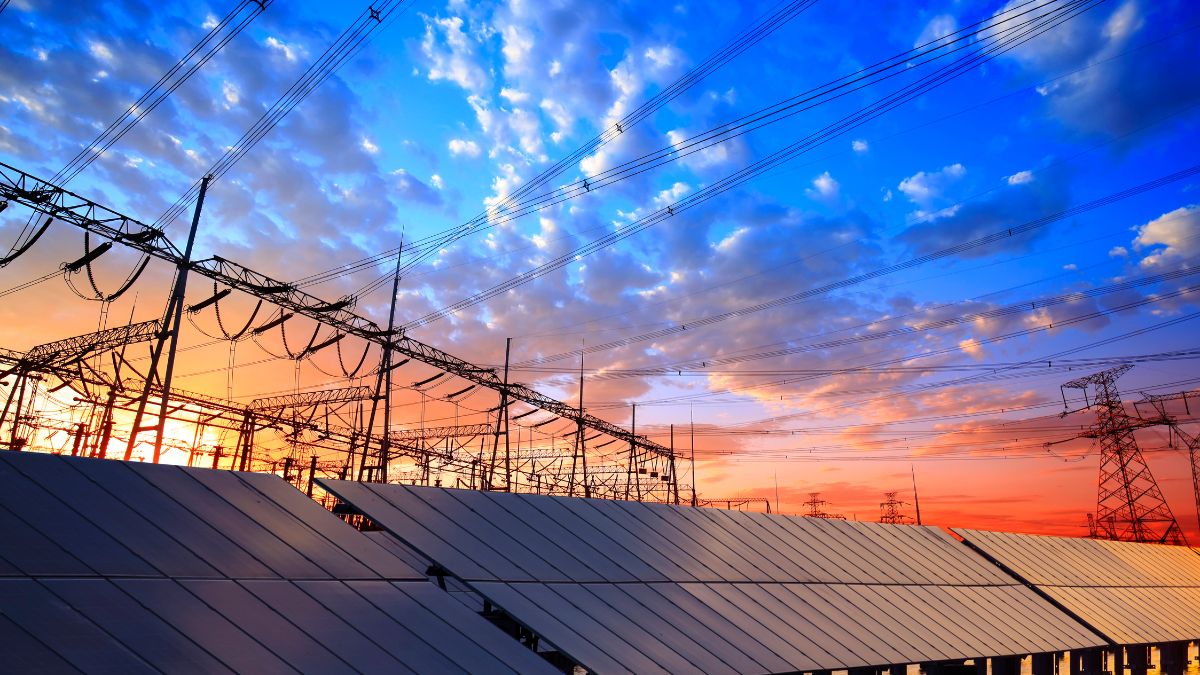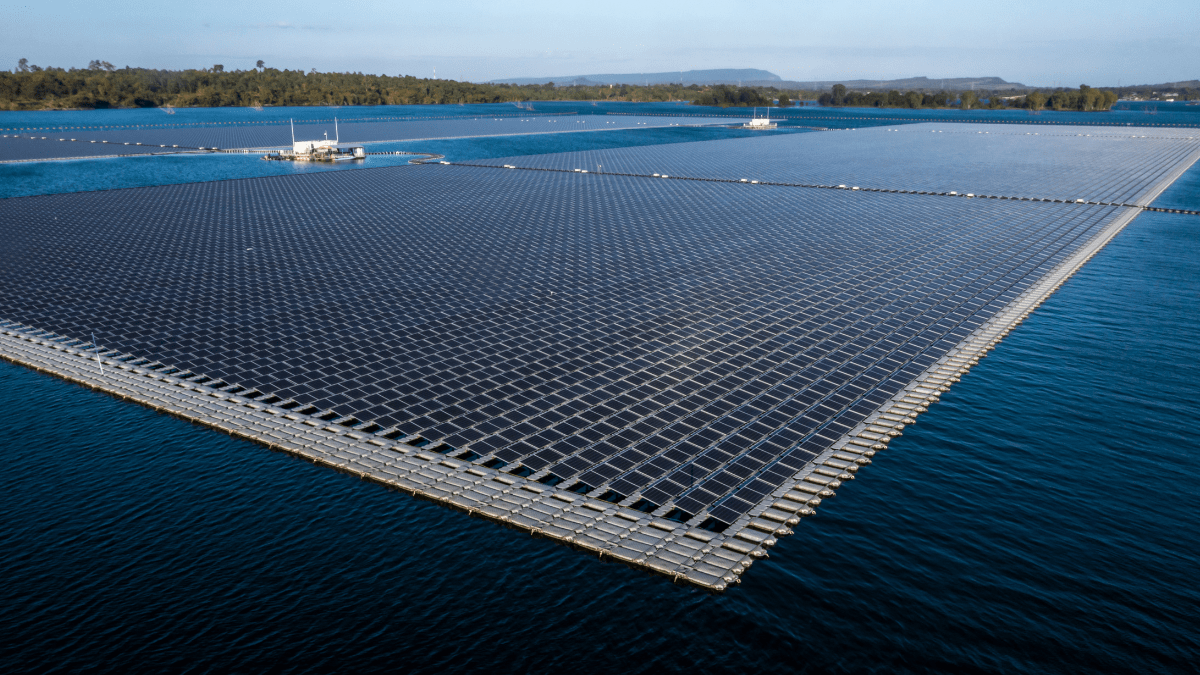
Floating solar photovoltaic (FPV) systems are gaining popularity as they utilize water bodies and reduce land constraints. However, one of the key technical challenges in these systems is degradation uncertainty, which refers to the difficulty in accurately predicting the long-term performance loss of solar modules and associated components over time. Unlike ground-mounted systems, floating solar installations operate in a unique environment that introduces additional variables affecting degradation rates.
One major factor influencing degradation in floating solar systems is the high-humidity environment. Continuous exposure to moisture can accelerate corrosion in metallic components, junction boxes, and connectors. This can lead to insulation failure, increased resistance, and eventual power loss. While solar modules are designed to withstand environmental stress, prolonged humidity combined with temperature variations can cause potential-induced degradation (PID) and delamination of module layers.
Another important aspect is thermal behavior. Floating solar systems generally benefit from a cooling effect due to the presence of water, which can improve efficiency in the short term. However, fluctuating temperatures between day and night, along with water evaporation, can create thermal cycling stress on modules. Over time, this may result in microcracks in solar cells, affecting energy output and increasing degradation uncertainty.
Biofouling is also a concern specific to floating systems. The growth of algae, bird droppings, and other biological elements on module surfaces can reduce light absorption and create hotspots. Additionally, waterborne organisms can attach to floating structures, increasing mechanical stress and potentially affecting system stability. These factors contribute to irregular degradation patterns that are difficult to model accurately.
Mechanical stress caused by water movement is another contributor. Floating platforms are subject to waves, wind loads, and varying water levels, which can lead to continuous motion. This dynamic environment may strain mounting structures, cables, and module connections. Over time, such stress can result in fatigue-related failures, further complicating performance predictions.
Soiling patterns in floating systems also differ from land-based installations. While dust accumulation may be lower, the presence of mineral deposits from water splashes can form thin layers on modules. These deposits are not always uniform and can lead to mismatch losses within the system, adding to degradation variability.
Due to these multiple interacting factors, predicting degradation rates in floating solar PV systems requires advanced monitoring and data analytics. Traditional models used for ground-mounted systems may not provide accurate results. Therefore, developers and operators must adopt site-specific studies, regular inspections, and improved material selection to reduce uncertainty.
In conclusion, while floating solar offers several advantages, degradation uncertainty remains a key technical challenge. Addressing this requires a deeper understanding of environmental impacts, improved system design, and continuous performance monitoring to ensure long-term reliability and efficiency.
Subscribe to get the latest posts sent to your email.