The Federal Reserve still thinks energy prices are headed lower even as missiles are flying again in the Middle East.
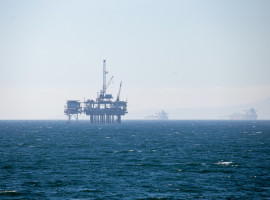
New York Fed President John Williams said Thursday that the market’s expectation for oil prices to ease over the next six to 12 months remains “a pretty reasonable baseline,” despite the collapse of the U.S.-Iran ceasefire framework and renewed attacks threatening energy flows through the Strait of Hormuz.
That optimism may prove difficult to maintain.
Oil markets have spent the past week whipsawing between hopes for diplomacy and reminders that diplomacy is, at best, a work in progress. Iranian attacks on commercial shipping and renewed U.S. military action have revived concerns about supply disruptions just as traders were getting comfortable pricing in an eventual glut.
Williams isn’t buying the panic.
“I still feel… the fundamentals are that energy prices are likely to be around their peak and then to come down over time,” he said at a conference Thursday.
Energy prices remain one of the biggest wild cards for inflation. Higher crude prices eventually filter through to gasoline, diesel, jet fuel, shipping costs, and just about everything else consumers buy. If oil remains elevated for long enough, the Fed could find itself keeping interest rates higher for longer, or even raising them again.
Williams wasn’t willing to speculate on what the Fed will do at its July policy meeting, stressing that officials remain data dependent and have not yet begun making decisions.
The oil market has developed a habit of humbling forecasters over the past five months. Analysts spent much of June predicting a flood of crude as Gulf exports recovered, only to watch geopolitical risk roar back onto center stage days later.
Williams also noted that investment tied to artificial intelligence infrastructure is adding to demand in the economy and could keep inflation higher in the near term, even if it eventually boosts productivity.
For now, the Fed’s baseline remains intact: energy prices should cool. The market, meanwhile, is being reminded that the Middle East doesn’t always cooperate with baseline assumptions.
By Julianne Geiger for Oilprice.com
More Top Reads From Oilprice.com
- US Crude Oil, Product Inventories Fall Even As Hormuz Traffic Begins to Flow
- Trump Targets California Again In SpaceX Feud
- Oil Prices Surge 6% Even as Tankers Push Through Hormuz