First concrete for US advanced reactor

Thursday, 8 May 2025

First concrete for US advanced reactor
Concrete pouring begins in the first of Hermes’ 51 foundational piers (Image: Kairos)

Kairos broke ground for the scaled demonstration of its KP-HFR fluoride salt-cooled high-temperature reactor technology last July, with excavation works completed in October. Safety-related construction activities, which are subject to oversight from the US Nuclear Regulatory Commission (NRC), formally began on 1 May, with the start of work on the the piers that will form part of the building’s foundation. Hermes will have 51 such piers, which are six feet (just under 2 metres) in diameter and will extend about 40 feet below ground, anchoring the building to bedrock.

Kairos Power CEO and co-founder Mike Laufer described the first safety-related concrete pour for a US advanced reactor under an NRC construction permit as a major milestone. “This achievement reflects the value of our iterative development process to meet the necessary nuclear quality standards and provide crucial real cost information that gives confidence to our customers. It is a testament to the hard work of our dedicated team and represents an enormous amount of learning and progress,” he said.
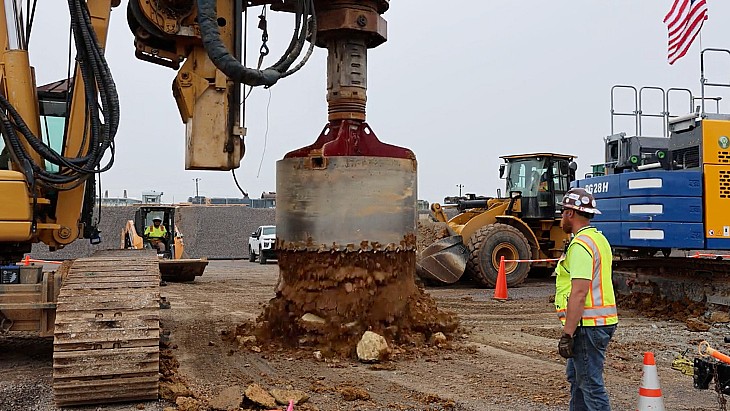

An auger drills the pier (Image: Kairos)

The concrete pour was the culmination of several months of preparation, Kairos said, coming after programmes to test the drilled pier installation process and refine the company’s nuclear quality assurance programme. A full-scale test pier was completed in November, and 70 piers have now been drilled for Kairos Power’s ETU 3.0 non-nuclear engineering test unit, which is being built adjacent to the Hermes site as part of Kairos’s iterative approach for the development of its KP-FHR technology. It says this has enabled the team, led by Barnard Construction Company, Inc, to become proficient at installing piers using quality control checklists similar to those that will be used for Hermes.
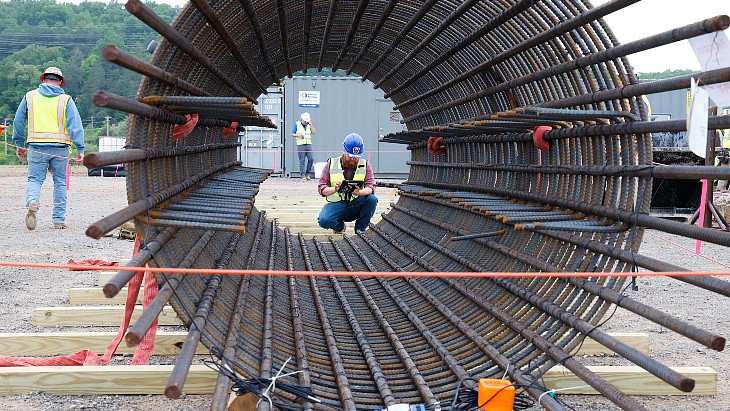

Quality checking rebar for the pier (Image: Kairos)

The Hermes reactor will use tri-structural isotropic (TRISO) uranium fuel and a mixture of lithium fluoride and beryllium fluoride salts known as Flibe as its coolant. This combination yields robust inherent safety while simplifying the reactor’s design, Kairos said.

Hermes, which is supported by risk reduction funding from the US Department of Energy’s Advanced Reactor Demonstration Program, is the first non-light-water reactor to be permitted in the USA in more than 50 years. It will not produce electricity, but Hermes 2 – a two 35 MWt-unit plant for which the US Nuclear Regulatory Commission issued a construction permit in November – will include a power generation system. The commercial deployment of the reactor is supported by a power purchase agreement signed with Google in October 2024, for power from a fleet of up to 500 MW of capacity by 2035.

Article researched and written by WNN’s 
   

  • Related Posts

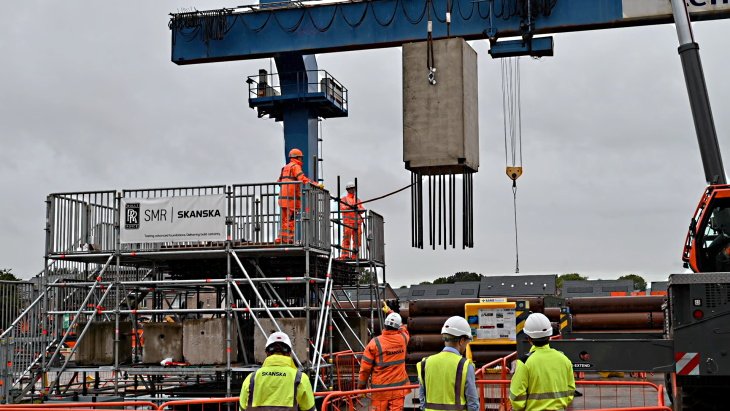
    Prototype aseismic bearing completed for Rolls-Royce SMR

    Rolls-Royce SMR contracted Skanska UK – a subsidiary of Sweden’s Skanska – in January this year to deliver an aseismic bearing pedestal demonstrator for its small modular reactor (SMR). Aseismic…

    Maritime nuclear project awarded Norwegian public funds

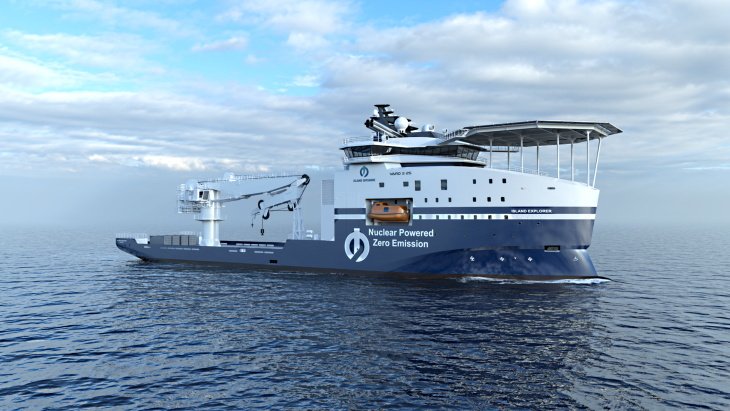
    The Marine Nuclear Propulsion System project is led by Emerald Nuclear Norway and includes participation by Vard Group, Vard Electro, Island Offshore, the Norwegian University of Science and Technology (NTNU), Imperial…

    Have You Seen?

    Navaris Commissions 39.9 MW Dalkendorf Wind Farm In Germany

    • November 19, 2026
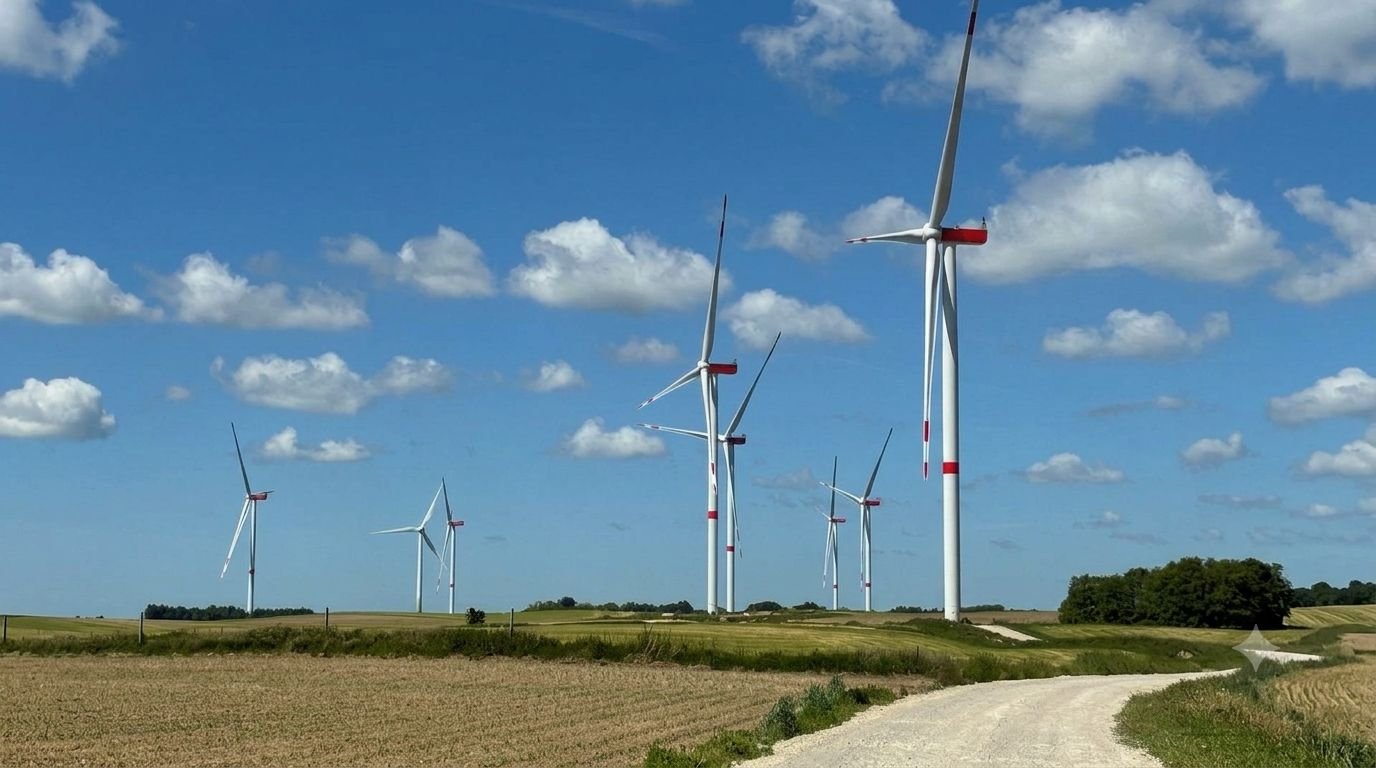
    Navaris Commissions 39.9 MW Dalkendorf Wind Farm In Germany

    Jinko Solar Launches Jinko Academy in Kenya with JKUAT and UON to Build Local Solar Expertise

    • November 19, 2026
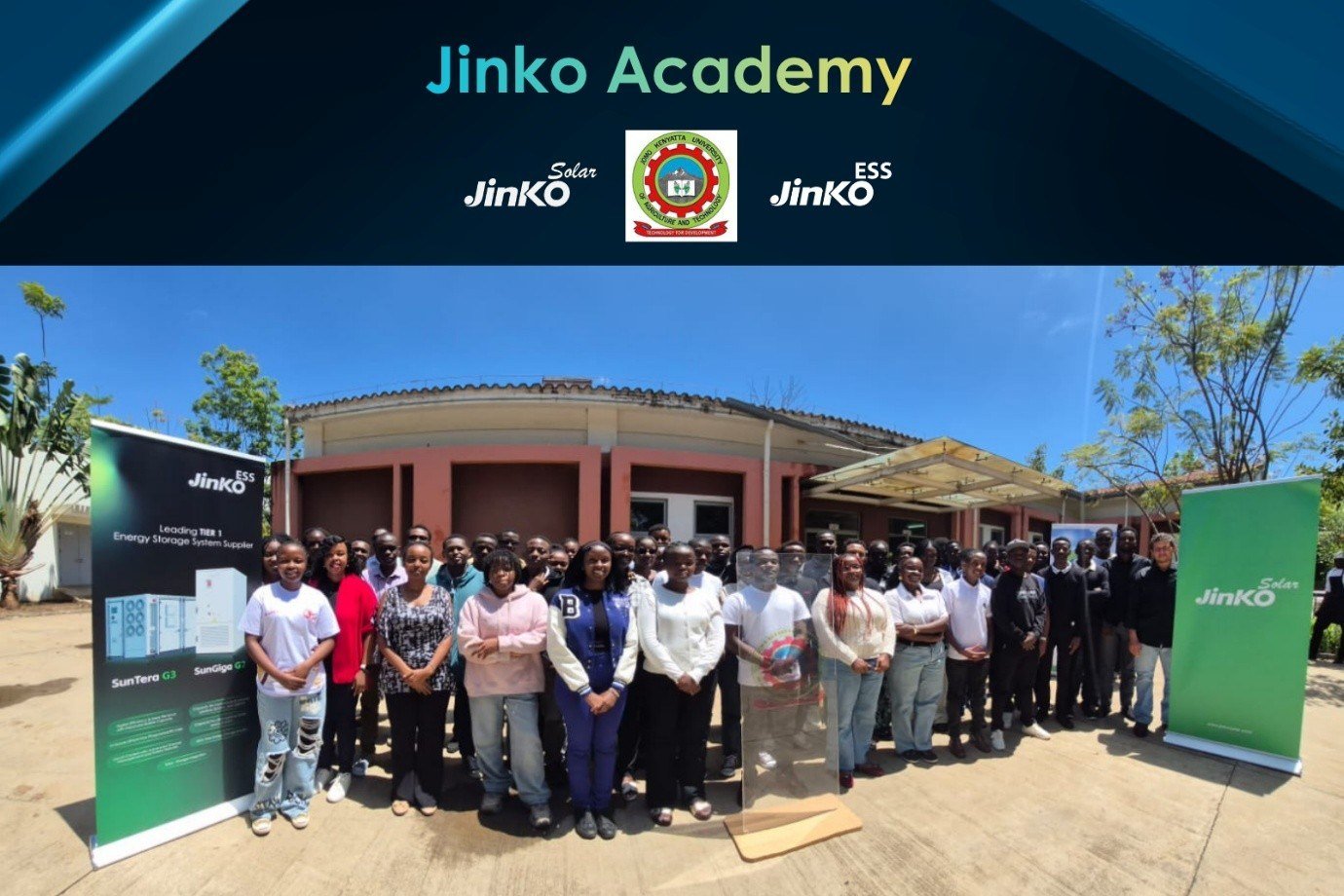
    Jinko Solar Launches Jinko Academy in Kenya with JKUAT and UON to Build Local Solar Expertise

    How Solar Innovation, Advanced Cell Technologies and Energy Storage Will Transform the Global Energy Landscape: Scientia Prof. Martin Green (University of New South Wales)

    • November 19, 2026
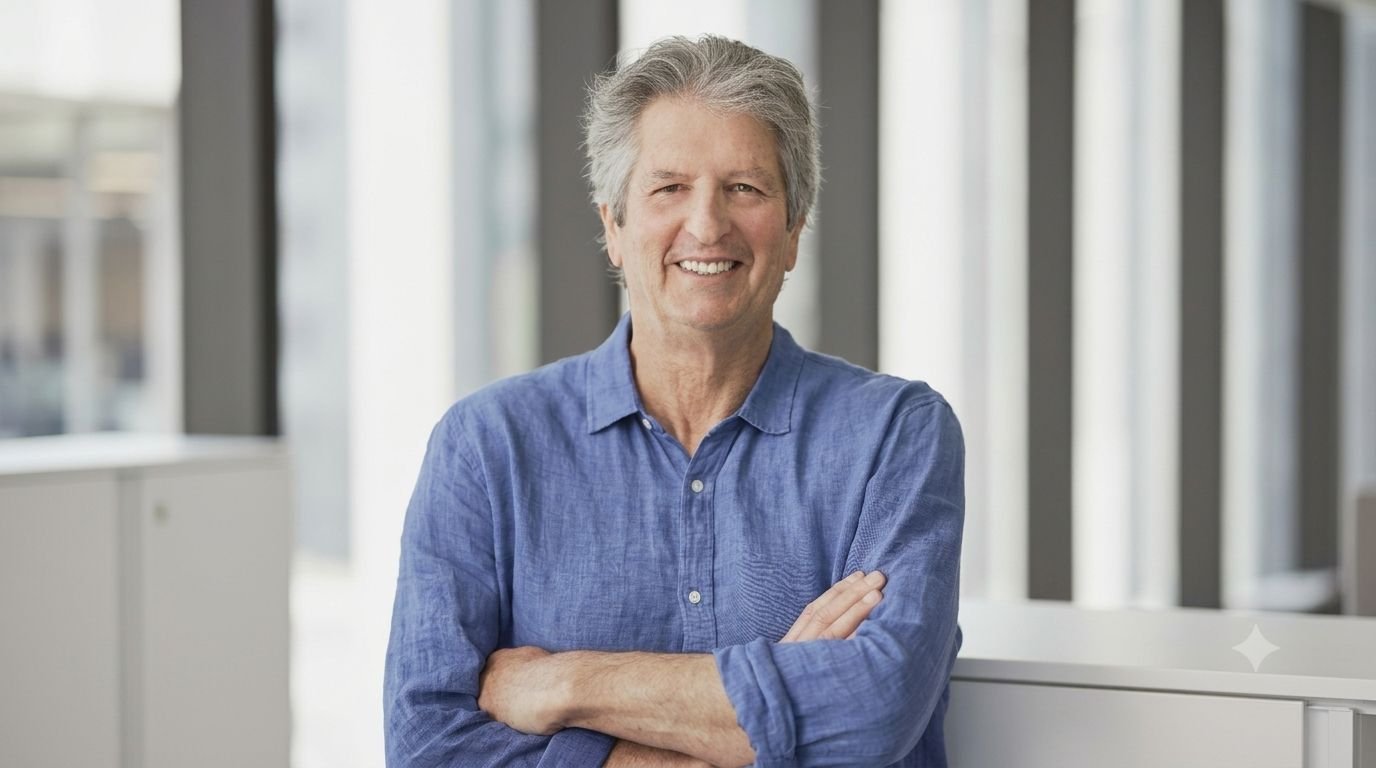
    How Solar Innovation, Advanced Cell Technologies and Energy Storage Will Transform the Global Energy Landscape: Scientia Prof. Martin Green (University of New South Wales)

    China Targets 300 GW Of Energy Storage Capacity By 2030 Under New Five-Year Plan

    • November 19, 2026
    China Targets 300 GW Of Energy Storage Capacity By 2030 Under New Five-Year Plan

    U.S. Energy Storage Installations Surpass 200 GWh As Capacity Growth Accelerates In 2026

    • November 19, 2026
    U.S. Energy Storage Installations Surpass 200 GWh As Capacity Growth Accelerates In 2026

    New Energy Capital Asia Wins Project Excellence Award for Hyatt Regency Koh Samui Solar PPA

    • November 19, 2026
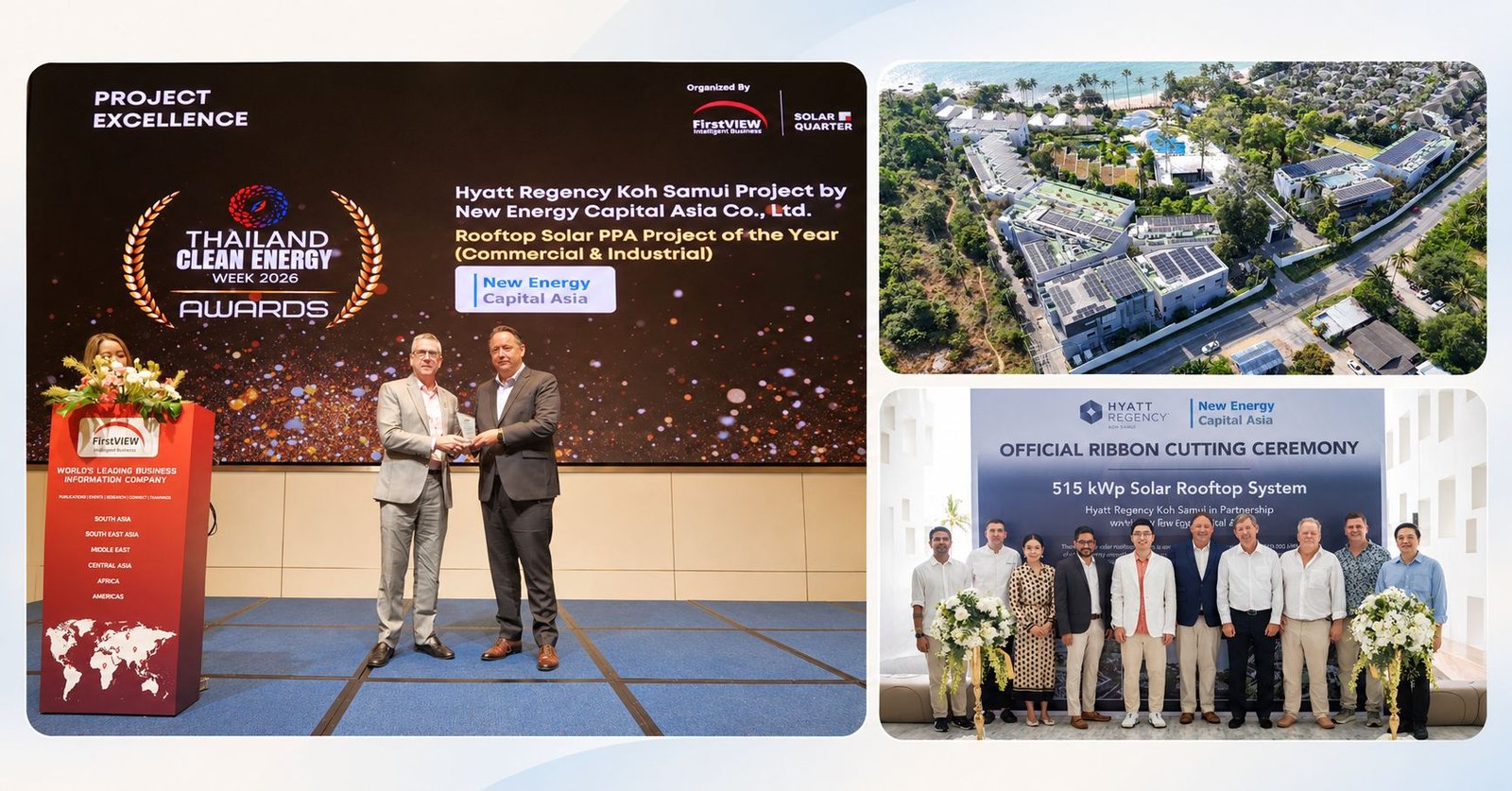
    New Energy Capital Asia Wins Project Excellence Award for Hyatt Regency Koh Samui Solar PPA

    SWELECT Energy Secures INR 1,400 Crore Solar EPC Projects, Builds 750 MW Module Order Pipeline In Q2 FY27

    • November 19, 2026
    SWELECT Energy Secures INR 1,400 Crore Solar EPC Projects, Builds 750 MW Module Order Pipeline In Q2 FY27

    India’s Power Demand Rises 11.7% In 7M FY2027, ICRA Projects 8.5% Growth For Full Year

    • November 19, 2026
    India’s Power Demand Rises 11.7% In 7M FY2027, ICRA Projects 8.5% Growth For Full Year

    Empowering Combined Cycle Plants

    • November 18, 2026
    Empowering Combined Cycle Plants

    Small Vessel Trade Thrives in Hormuz as Iran Targets Supertankers

    • November 18, 2026
    Small Vessel Trade Thrives in Hormuz as Iran Targets Supertankers