In a major push toward sustainable urban development, the Ghaziabad Development Authority (GDA) has introduced a new regulation mandating rooftop solar power systems and rainwater harvesting structures in all new residential building plans. The move reflects a growing emphasis on environmentally responsible construction practices in Ghaziabad, one of the fastest-growing cities in the National Capital Region.
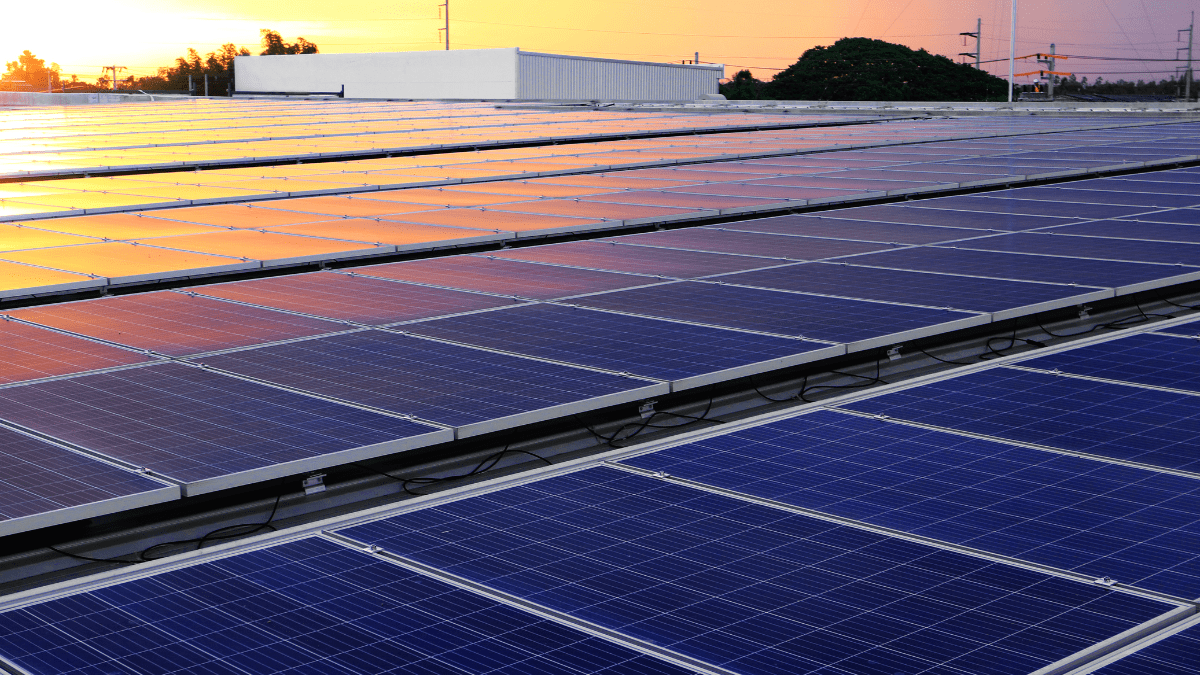
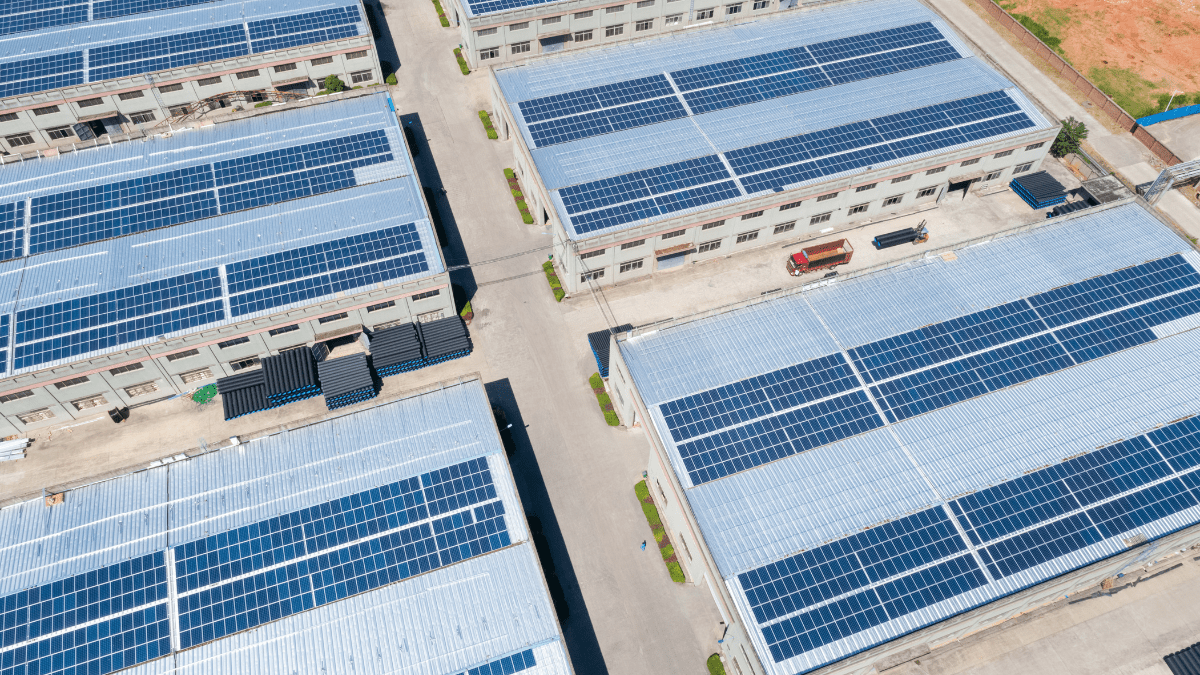
According to recent reports, the directive aims to tackle two critical challenges faced by urban areas—rising electricity demand and declining water resources. By making rooftop solar installations compulsory, the authority intends to promote clean energy generation at the household level. This approach is expected to reduce reliance on conventional power sources while offering long-term financial savings to homeowners through lower electricity bills. Experts note that integrating solar systems during the construction phase is more efficient and cost-effective compared to retrofitting them later.
At the same time, the inclusion of rainwater harvesting systems has been made mandatory to improve water conservation and management. These systems collect rainwater from rooftops and channel it into storage tanks or underground recharge pits. This process helps replenish groundwater levels, which have been under stress due to rapid urbanization. Additionally, effective rainwater harvesting can play a key role in reducing waterlogging and flooding during the monsoon season by managing excess runoff.
The new regulation aligns with a broader national trend where urban authorities are incorporating sustainability measures into building bylaws. With increasing population pressure and expanding infrastructure needs, decentralized solutions such as solar energy generation and water conservation are becoming essential. By making these features compulsory for building approvals, GDA is ensuring that sustainable practices become a standard part of urban development rather than optional additions.
For builders, architects, and prospective homeowners, the regulation marks a shift toward more self-sufficient and eco-friendly housing. While the rule currently applies to new residential constructions, its long-term impact is expected to significantly enhance the environmental resilience of the city. It also sets an example for other urban centers aiming to balance development with responsible resource management.
Through this initiative, Ghaziabad is taking a proactive step toward building a greener future. By integrating renewable energy and water conservation into its urban planning framework, the city is positioning itself as a model for sustainable growth in India.
Subscribe to get the latest posts sent to your email.