India’s compressed biogas (CBG) sector is gaining importance within the country’s clean-energy and circular-economy transition, with the potential to convert agricultural residue, cattle dung and other organic waste into a usable clean fuel while creating additional value from waste.
The Galvanizing Organic Bio-Agro Resources Dhan (GOBARdhan) scheme, launched in 2018 under the Swachh Bharat Mission (Grameen), aims to convert biodegradable waste into biogas, CBG and organic manure. The initiative has evolved into a multi-ministerial effort supporting India’s waste-to-energy ecosystem. Government initiatives have also sought to strengthen CBG production, offtake and the associated organic-manure value chain.
The latest policy push has placed greater emphasis on creating an enabling environment for CBG projects, with measures including assured offtake, pricing support, capital assistance, pipeline connectivity and credit support. The Union Cabinet’s approval of the framework, with an outlay of ₹23,731 crore, comes at a time when the sector is looking to move from a large project pipeline to commercially viable and operational plants.
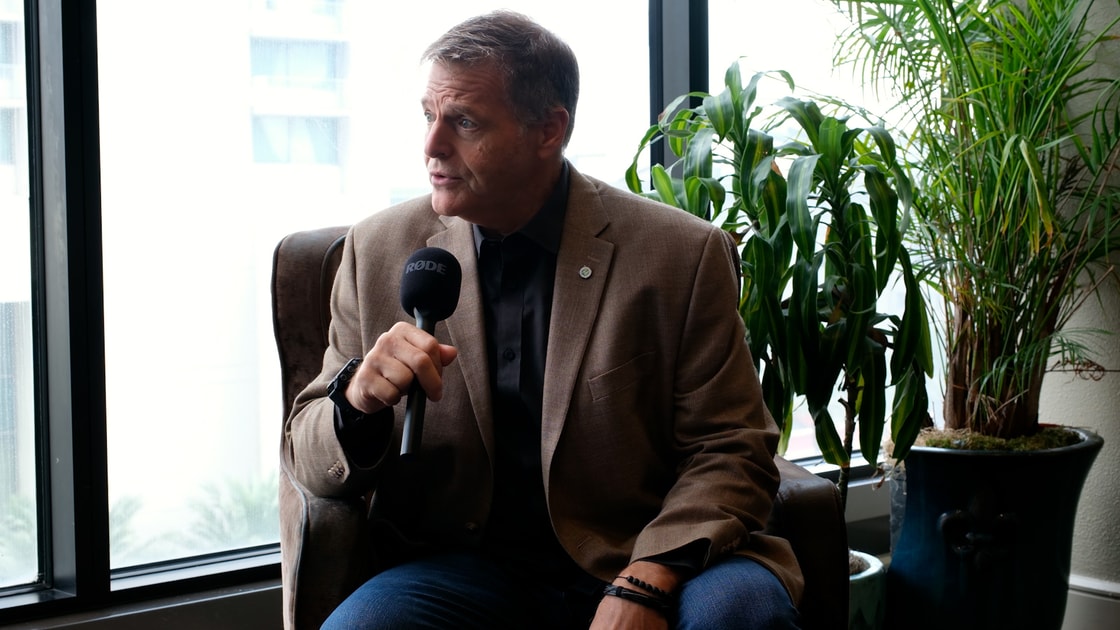
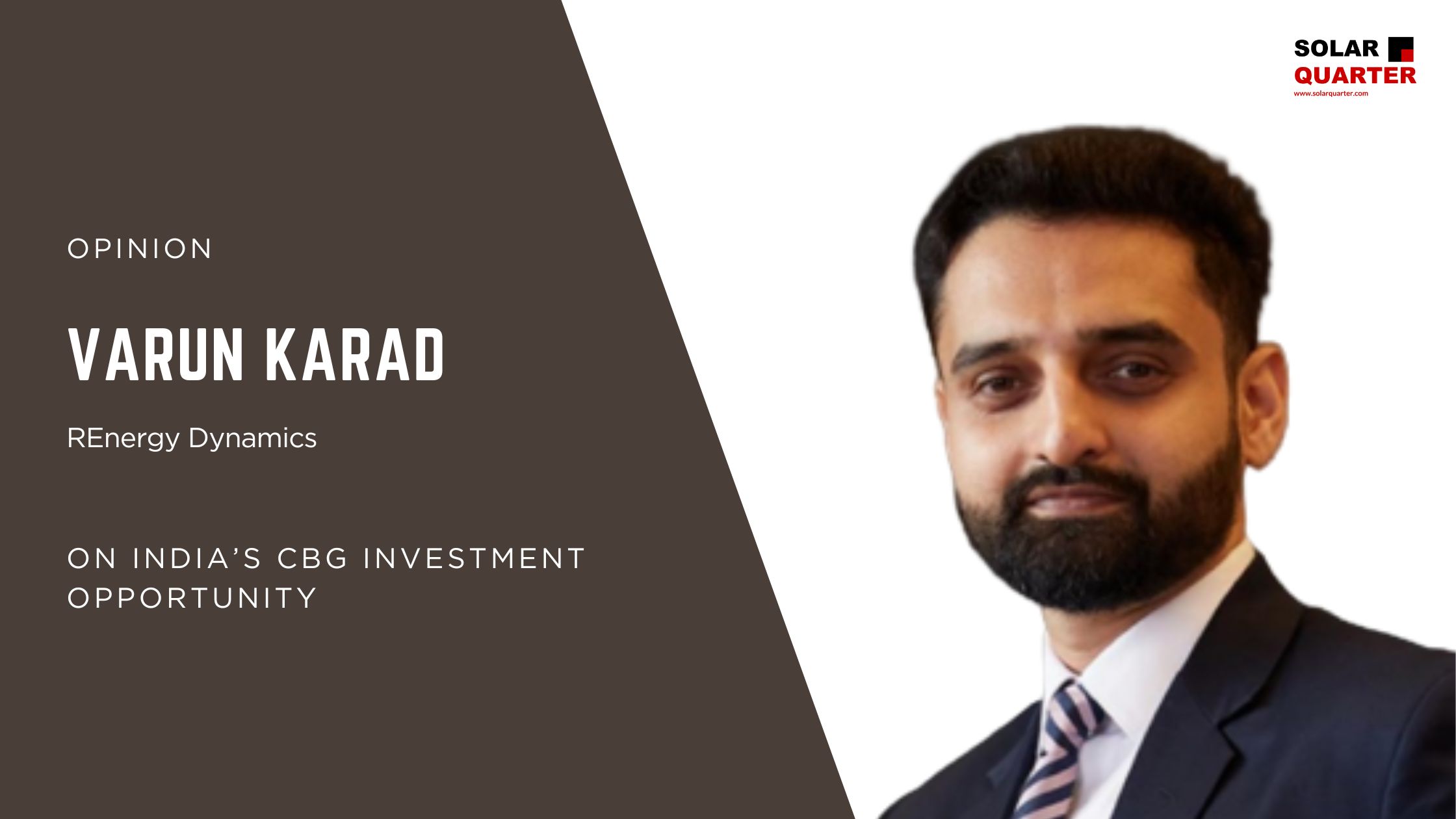
Against this backdrop, Varun Karad, Co-founder and CEO, REnergy Dynamics, shares his perspective on the investment opportunity and the challenges that will determine the next phase of India’s CBG growth, “GOBARdhan could be the inflection point that moves India’s CBG sector from project announcements to actual execution. Today, there are nearly 1,900 CBG projects registered on the government portal, but only 216 have been commissioned, most of them are small scale. That tells us that the constraint is not entrepreneurial interest. It is the ability to make projects bankable and execute them.
The new framework directly attacks that problem through assured offtake, a 10-year pricing framework, capital assistance, pipeline connectivity, and credit guarantees. The most significant aspect of GOBARdhan is not just the Rs. 23,731 crore outlay, it is that CBG is now beginning to look like a bankable infrastructure asset.
India needs to add around 1,000 TPD of CBG capacity every year to reach about 4,000 TPD by FY29, requiring nearly Rs. 24,000 crore of investment in just three years. With this policy support, I believe we could see at least 50,000 crore of new project investment in CBG by 2030, provided the industry can solve the issues of reliable feedstock aggregation and consistently high plant utilisation. The winners in this next phase will be those who can build plants at scale and can integrate feedstock, technology, EPC and operations to deliver predictable gas output.”
GOBARdhan’s significance will ultimately be measured by how effectively it converts the existing CBG project pipeline into bankable, commissioned and consistently operating assets. The next phase will depend not only on policy support, but also on reliable feedstock supply, project execution and sustained plant utilisation.
By: Varun Karad, Co-founder and CEO, REnergy Dynamics
Subscribe to get the latest posts sent to your email.