Grossi says Zaporizhzhia safety talks ‘more critical than ever’

Friday, 7 February 2025
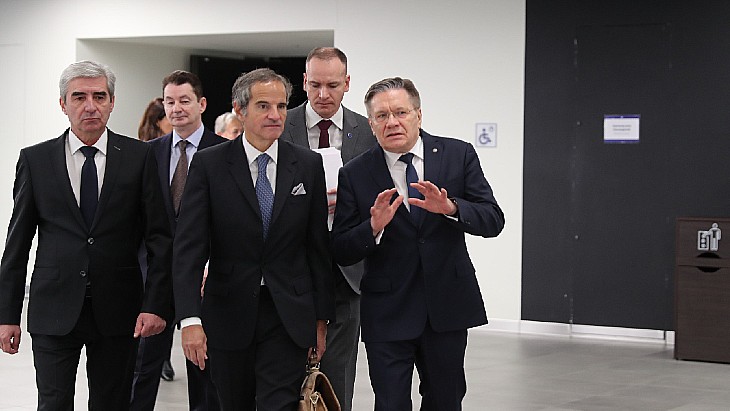
Grossi says Zaporizhzhia safety talks 'more critical than ever'
(Image: @rafaelmgrossi/X)

Posting on the social media site X, Grossi wrote: “Completed interagency consultations in Moscow with Russian delegation led by Rosatom’s [Alexei] Likhachev. After 3 years of talks on ZNPP nuclear safety and security, these are more critical than ever. The IAEA stands fully engaged to prevent a nuclear accident.”

According to Russia’s Tass news agency, the talks – which took place as the Russia-Ukraine war approaches its third anniversary – also covered safety and security risks to the Kursk and Smolensk nuclear power plants and general energy infrastucture.

It quoted Likhachev as saying “we thoroughly informed the esteemed IAEA delegation about measures that are being taken to ensure the unconditional protection” of the Zaporizhzhia plant  “in terms of both nuclear safety and nuclear security”.

The six-unit Zaporizhzhia nuclear power plant has been under Russian military control since early March 2022. It is located on the frontline of Russian and Ukrainian forces.

The IAEA has had a team of experts stationed at the site since September 2022 as part of efforts to help ensure its safety and security. The agency, with UN Security Council backing, has set out core principles to help ensure its safety, including that it should not be fired at or from, and should not be used as a base for heavy military equipment.

Earlier this week, Grossi travelled to Ukraine, where he inspected a substation and warned of potential safety risks for nuclear power plants from any loss of external power supplies. In an update on Thursday, the IAEA said its team at Zaporizhzhia continued to hear “multiple instances of explosions on most days, some very close to the plant. There were no reports of damage to the site”.
   

  • Related Posts

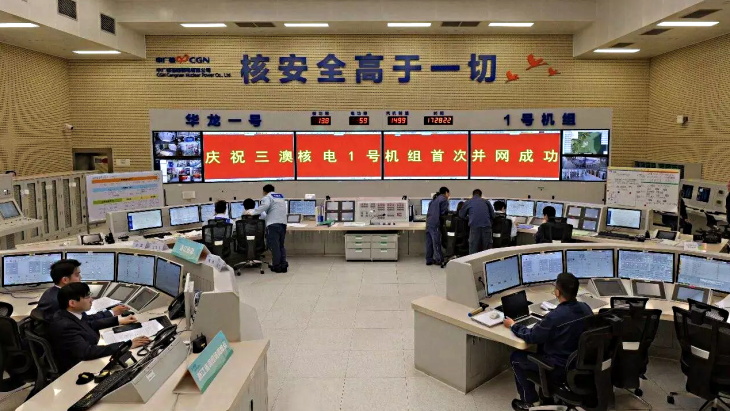
    First San’ao unit connected to the grid

    “At 17:28 on 12 March, the first Hualong One nuclear power unit in the Yangtze River Delta region – unit 1 of the CGN Zhejiang San’ao Nuclear Power Project –…

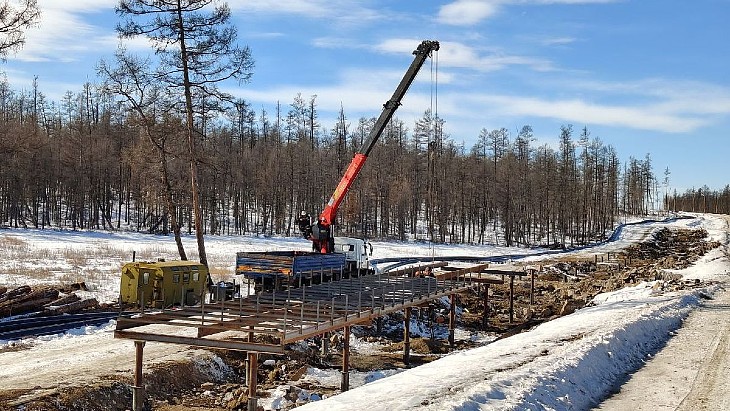
    Infrastructure work under way for Namaru uranium deposit

    JSC Khiagda, part of Rosatom’s mining division, is Russia’s leading uranium producer with operations at five deposits “in the challenging permafrost conditions of the Bauntovsky Evenki District”, in a region which…

    Have You Seen?

    California Hit By Much Higher Oil Prices as Iran War Stresses Refiners

    • March 13, 2026
    California Hit By Much Higher Oil Prices as Iran War Stresses Refiners

    CHARTED: The Energy Mix of the World’s 10 Largest Economies – Visual Capitalist

    • March 13, 2026
    CHARTED: The Energy Mix of the World’s 10 Largest Economies – Visual Capitalist

    RANKED: The Top Buyers of U.S. Oil in 2025 – Visual Capitalist

    • March 13, 2026
    RANKED: The Top Buyers of U.S. Oil in 2025 – Visual Capitalist

    US Drillers Add Oil and Gas Rigs for Second Week in a Row, Says Baker Hughes

    • March 13, 2026
    US Drillers Add Oil and Gas Rigs for Second Week in a Row, Says Baker Hughes

    19 Million Barrels of Russian Crude Cleared for Sale in Asia

    • March 13, 2026
    19 Million Barrels of Russian Crude Cleared for Sale in Asia

    Banks Hike Oil Price Forecasts, and Some See $150 Crude

    • March 13, 2026
    Banks Hike Oil Price Forecasts, and Some See $150 Crude

    Middle East Conflict Halts 15% of TotalEnergies Oil and Gas Production

    • March 13, 2026
    Middle East Conflict Halts 15% of TotalEnergies Oil and Gas Production

    Kazakhstan’s Tengiz Oilfield Supply Uninterrupted Despite New Incident

    • March 13, 2026
    Kazakhstan’s Tengiz Oilfield Supply Uninterrupted Despite New Incident

    Avanti calls for US helium critical mineral status amid Gulf crisis

    • March 13, 2026
    Avanti calls for US helium critical mineral status amid Gulf crisis

    BP Says Whiting Refinery Union Workers Reject its Latest Employment Contract

    • March 13, 2026
    BP Says Whiting Refinery Union Workers Reject its Latest Employment Contract