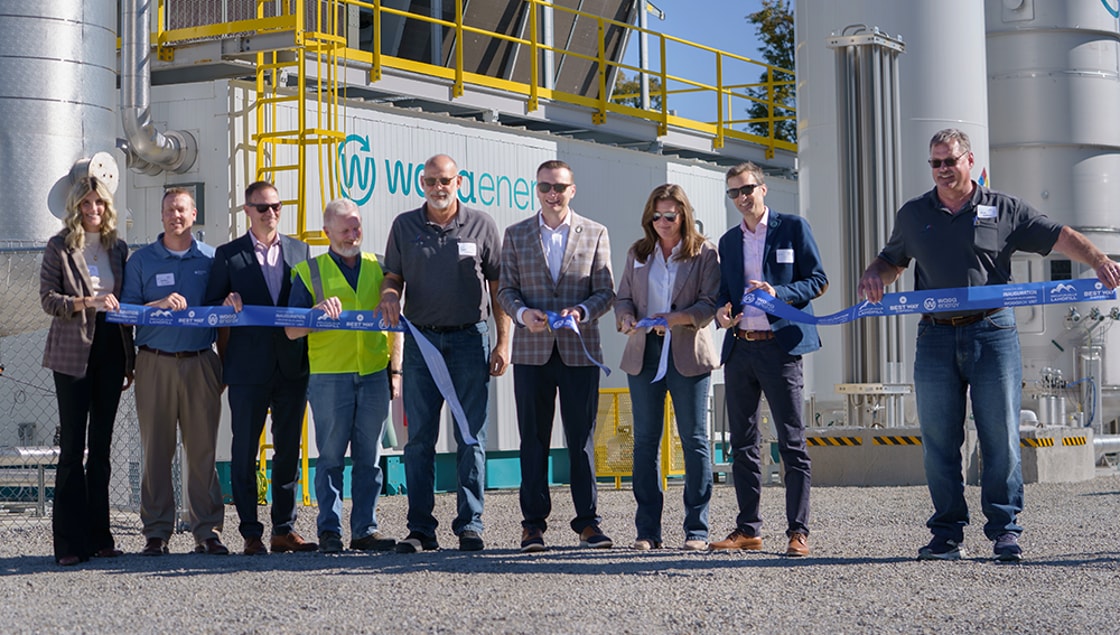
Heliogen Inc., a leader in concentrating solar energy technology, has announced the completion of Capella, an innovative demonstration project. Funded by Woodside Energy (USA) Inc., a subsidiary of global energy company Woodside Energy Group Ltd (NYSE: WDS; ASX: WDS), and the US Department of Energy, Capella represented a major step toward achieving lower-cost, lower-carbon energy solutions through a novel form of concentrating solar power (CSP) technology known as “Generation 3” or “Gen 3.”
The project focused on advancing key technological innovations for the development of a 5-MWe CSP plant. Although the project successfully concluded its front-end engineering and design phase, Heliogen and Woodside decided not to proceed with construction due to rising costs. Despite this, both companies remain committed to exploring further collaboration opportunities in deploying CSP technology.
Christie Obiaya, CEO of Heliogen, stated, “The Capella project achieved several first-ever milestones in prototyping and design, unlocking key learnings critical to improving the techno-economics for Gen 3 CSP. We are deeply appreciative of the exceptional collaboration from Woodside. Our core focus now is on the massive demand growth for dispatchable, reliable low-carbon energy solutions driven by data centers. We are well-positioned to help meet those needs through deployment of our solution that leverages Gen 2 CSP, which is already proven and commercially deployed at scale, further enhanced by Heliogen’s machine-learning software.”
“Through the collaboration between Woodside and Heliogen on Project Capella, we have demonstrated significant advances across a number of key work scopes. We thank the Heliogen team for its innovation and technical expertise on the project,” mentioned Jason Crusan, Vice President of Energy Solutions, Woodside Energy.
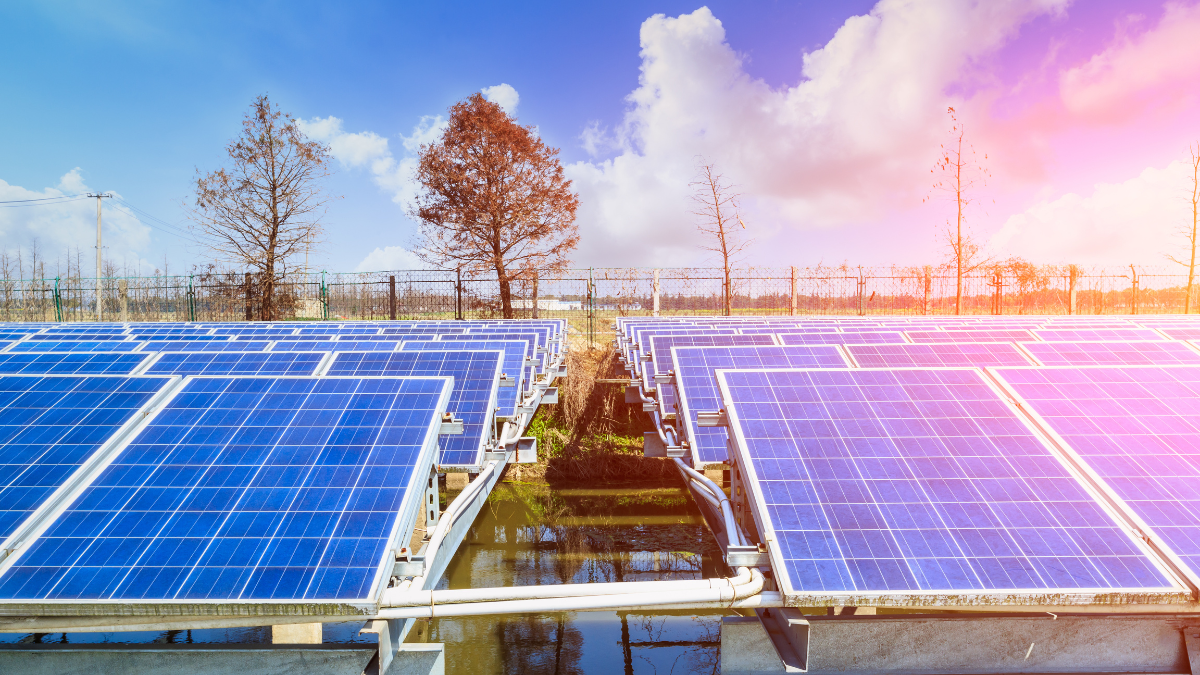
The goal of Gen 3 Concentrated Solar Power (CSP) technology is to reach higher temperatures than traditional CSP systems. On the other hand, Gen 2 CSP is a well-established technology that is already in use worldwide. It has proven to be effective in delivering reliable thermal energy, and it does so at a lower cost and faster timeline compared to many other low-carbon energy options.
The Capella Project achieved several noteworthy milestones, marking significant progress in advancing commercial-scale Concentrated Solar Power (CSP) technology. It successfully completed the Front-End Engineering Design (FEED) phase, delivering a Class 2 cost estimate for a first-of-its-kind CSP plant. The project advanced the Centrec particle receiver from research to prototype scale, incorporating innovative design enhancements and demonstrating efficient heated particle flow.
Collaboration with industry leaders, such as Hanwha Power Systems, led to advancements in supporting technologies, including supercritical CO₂ turbine systems and a novel particle heat exchanger (PHX). Additionally, the development of advanced performance and cost modeling tools for Gen 3 particle systems further strengthened the project’s technical foundation. Critical site approvals, including authorization from the Federal Aviation Administration, were also secured, laying the groundwork for future projects and reinforcing the project’s success.