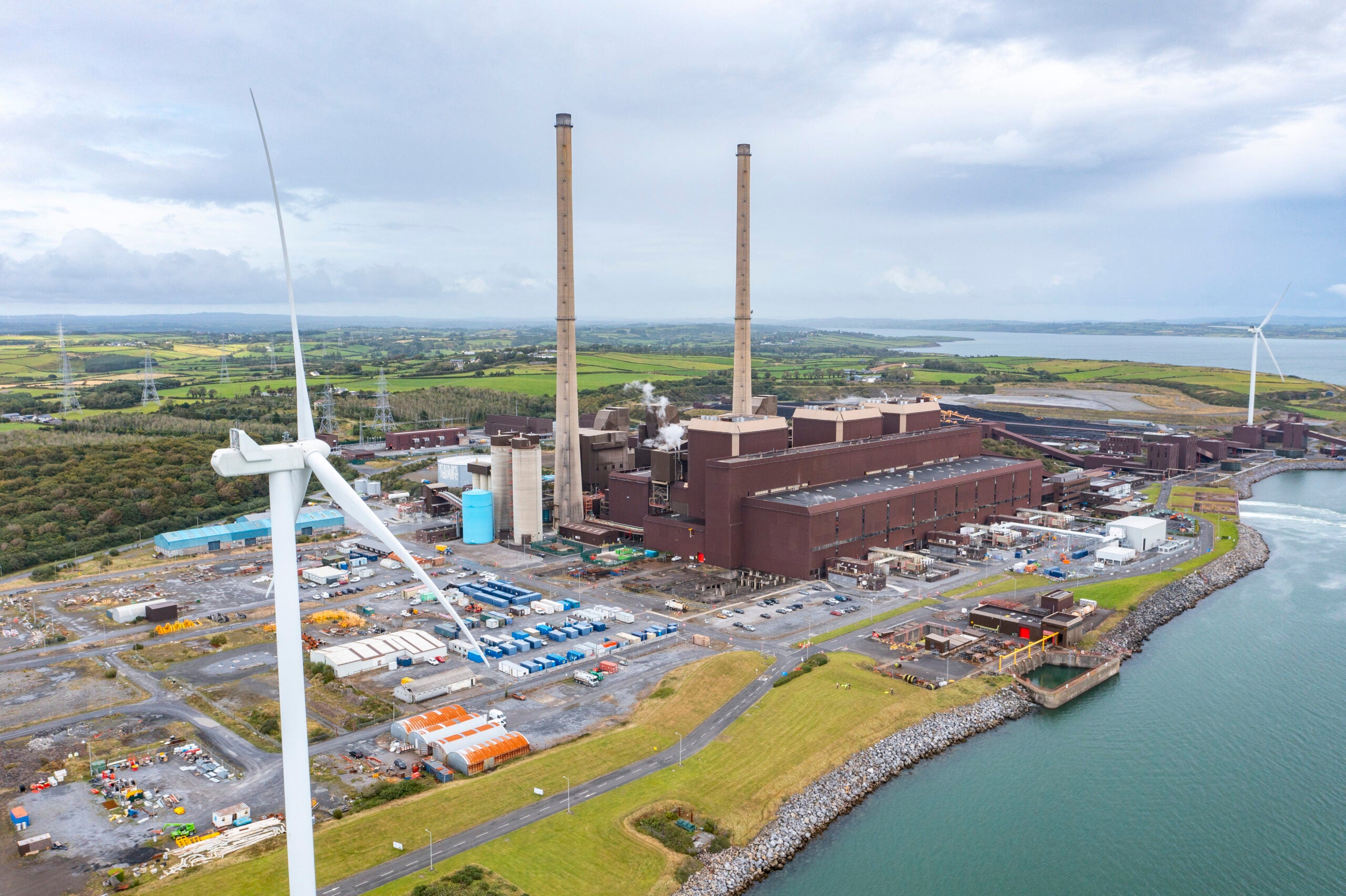
For years, some folks have considered coal-fired power plants relics of a bygone era, overshadowed by the rise of natural gas and renewables. Yet, in an unexpected twist, coal is finding its way back into the energy conversation—not as a nostalgic nod to the past, but as a pragmatic response to a very modern challenge: the insatiable energy demands of artificial intelligence (AI). As AI data centers proliferate, their need for reliable, around-the-clock electricity is forcing utilities and policymakers to rethink the importance of consistent baseload power in an era of digital technology.
This resurgence isn’t without controversy. Coal remains the most carbon-intensive fossil fuel, and its revival runs counter to global decarbonization goals. However, the reality is stark. AI workloads require massive, uninterrupted power, and intermittent renewables alone can’t shoulder that burden. Natural gas has helped bridge the gap, but in regions where capacity is lacking, coal’s ability to deliver steady output, at scale, quickly with existing assets is proving hard to ignore. The question isn’t whether coal is clean, it’s whether alternatives are available in the short term.
The Trump administration has promoted fossil fuel production—including coal—as a central element of its energy policy, aiming to bolster energy reliability and national security amid surging electricity demand from AI data centers and high-tech manufacturing. Through executive orders, the administration has moved to reopen some federal lands for coal leasing and has rolled back several environmental regulations affecting coal mining and power plant operation. While officials have emphasized coal’s grid reliability role, policy changes have yielded only modest increases in permitting activity and provided targeted incentives for maintaining or upgrading existing coal-fired plants. These policies have helped sustain some coal plant operations, even though they won’t restore coal as a dominant energy source.
The implications are profound. A technology hailed as the future—AI—may be driving a partial return to one of the oldest energy sources. This paradox underscores a critical tension in today’s energy transition: how to balance innovation with infrastructure realities. As utilities weigh investments and regulators grapple with emissions targets, coal’s comeback story could reshape power markets, influence climate strategies, and redefine what “progress” looks like in the age of AI.
Getting More Out of Aging Assets
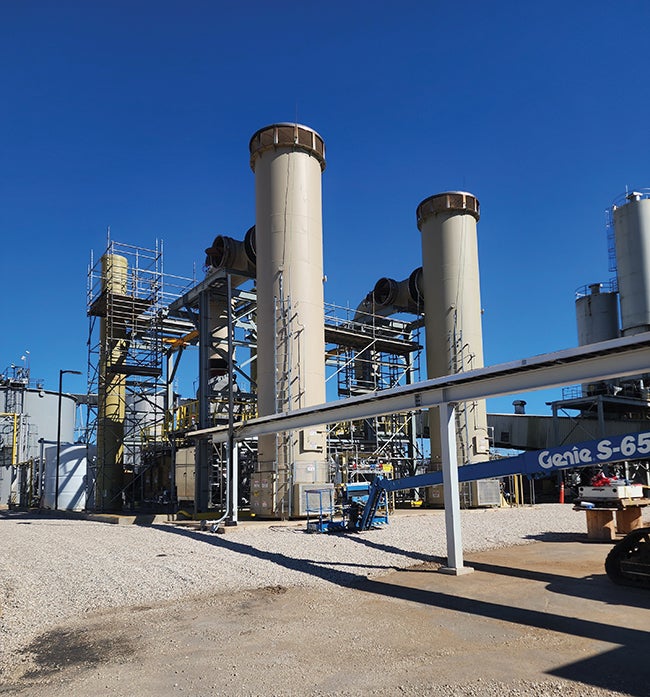
Many coal plants slated for retirement have been operating with minimal investment—a logical approach given their expected closure. Just as you wouldn’t buy new tires for a car you plan to drive minimally and junk in a few years, these facilities received only enough maintenance to remain operational until decommissioning. Now, with an extended lifespan, investing in necessary retrofits has become worthwhile.
Seth Harris, growth director for Emerson’s Power business in North America, explored this unexpected twist as a guest on The POWER Podcast. “The ability to deliver power as quickly as possible is certainly top of mind as this race to deliver on the technology promises coming from AI and the various use cases for data centers has really put those existing assets in a place where they have to focus on driving the most efficiency and reliability they possibly can,” Harris said.
Data centers demand reliability and uptime in the “five 9s,” that is, 99.999%. “That’s driving investments in those existing assets as well, to ensure that the plant is running as efficiently as possible, but also, in many cases, extending plants that were expected to be shuttered—or at least on their pathway to that—in some cases, for many years or even a decade,” noted Harris.
For Emerson, that’s led to a welcome uptick in business. “The technology has come a long way since those facilities were originally built,” Harris explained. That means retrofits taking into account potentially changing operational expectations, such as more cycling, make sense.
Improving Performance
Meanwhile, some coal plants are turning to another option to get the most out of existing assets. They’re using additives to reduce slag, improve heat rate, and provide fuel flexibility.
An example is Environmental Energy Services’ (EES’s) CoalTreat additive program. CoalTreat is touted as a “fuel chemistry innovation that has proven to be highly effective in mitigating problems attributed to furnace slagging and heat transfer surface fouling in coal-fired utility and industrial boilers.” CoalTreat is applied to the fuel pre-combustion, customized to each plant’s fuels and specific objectives, and has been successfully deployed at coal plants around the world.
EES notes that furnace slagging and heat transfer fouling are common problems encountered by power plants using bituminous coals with high iron and sulfur content, and high levels of sodium and potassium (alkalis). “Molten alkalis promote ash buildup in upper furnace sections, and molten iron form large deposits in the burner area,” the company explains. For subbituminous coals, high levels of silica, alumina, and calcium promote the formation of black glass deposits, which reduce heat transfer in the upper furnace. “CoalTreat customized fuel chemistry effectively mitigates these issues,” EES claims.
CoalTreat is applied “on-belt” as a pre-combustion fuel additive. The reagents react during combustion through chemical and physical mechanisms to alter ash chemistry and eliminate deposits. The process is covered in more detail in a recent article contributed to POWER by P. Robert Santangeli, PE, vice president of Engineering and Operations with EES. You can find the article on .
In the end, coal’s renewed role may be temporary, but it underscores the power sector’s resilience and capacity for reinvention. By leveraging technology and smart retrofits, utilities can meet today’s challenges while paving the way for a more balanced energy future. ■
—Aaron Larson is POWER’s executive editor.